
Appeals court hears dispute over directed verdicts and alleged forced default in Evolving Properties case
Get AI-powered insights, summaries, and transcripts
Subscribe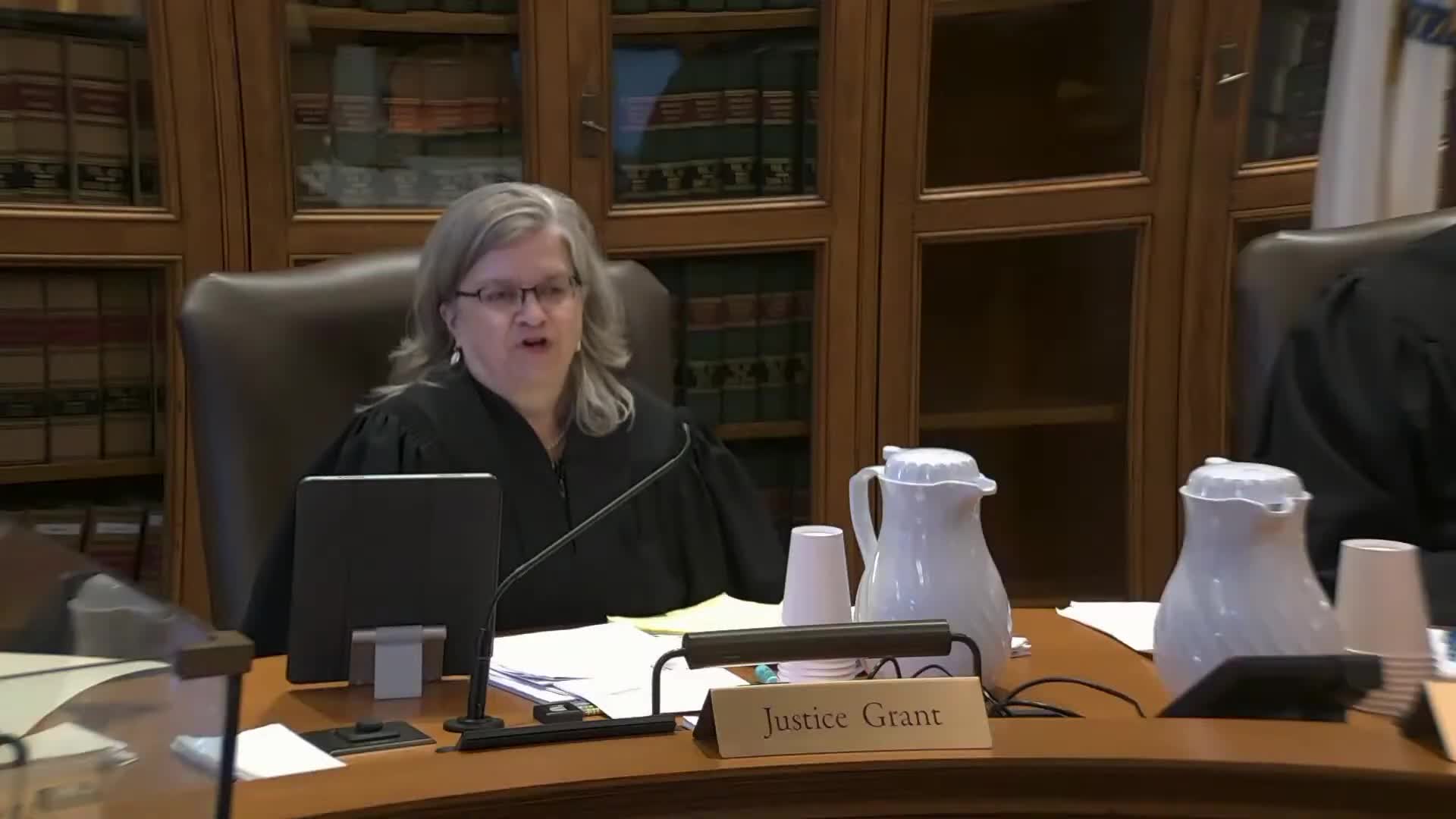
Summary
In Evolving Properties LLC v. Leanne DeMar, appellants argued a directed verdict wrongly resolved issues of whether the defendant forced a loan default; appellees said the jury verdict and record show breach-related renovation damages and the parties waived certain objections.
The Appeals Court heard Oct. 1 argument in a dispute over whether trial‑court directed verdicts and later jury findings were inconsistent in Evolving Properties LLC v. Leanne DeMar. Appellant counsel Dana Curran told the panel the trial judge granted directed verdicts on the promissory‑note claims before the jury deliberated and that the jury’s subsequent award of about $91,000 in renovation damages suggested the jury implicitly found the defendant’s conduct forced a default — a legal theory that, Curran said, should have prevented the directed verdict. “When you look at the jury's verdict… I think you have to look at the jury's verdict as saying that also includes forcing a default,” Curran said. Appellees’ counsel Peter Calabresi responded that the parties had agreed which claims would be submitted on directed verdict, that there was no timely objection to the judge's procedure, and that the written verdict slip clearly identified damages for renovation costs. “The verdict slip tells us what the $91,000 in damages are for. It's for renovation costs,” Calabresi told the court. Why it matters: the appeal raises classic procedural questions — whether a party waived appellate review by failing to object contemporaneously and how to treat potential inconsistencies between judge‑issued directed verdicts and a later jury award. Evidence and record points: appellants contend the $91,000 figure cannot be reconciled with the narrow renovation and carrying‑cost evidence the jury heard, implying the jury relied on a forced‑default theory. Appellees point to pretrial admissions about nonpayment of the promissory note, to a special trial memorandum the trial court ordered the appellant to file (which did not advance a forced‑default theory), and to jury instructions that excluded the promissory‑note claim from the jury’s consideration. Court response and next steps: the panel asked counsel about waiver and the unusual procedural posture — directed verdicts entered before the jury deliberated and the parties’ strategic choices at trial. No disposition was issued from the bench. Practical takeaway: litigants should preserve objections to procedural choices such as directed verdict rulings and seek clarification from the trial court before discharge of the jury; appellate courts will examine whether record objections were timely and whether verdict forms and instructions controlled the jury’s award.