
Appeals court hears argument over who bore burden to prove residency in Gill gun-licensing plea
Get AI-powered insights, summaries, and transcripts
Subscribe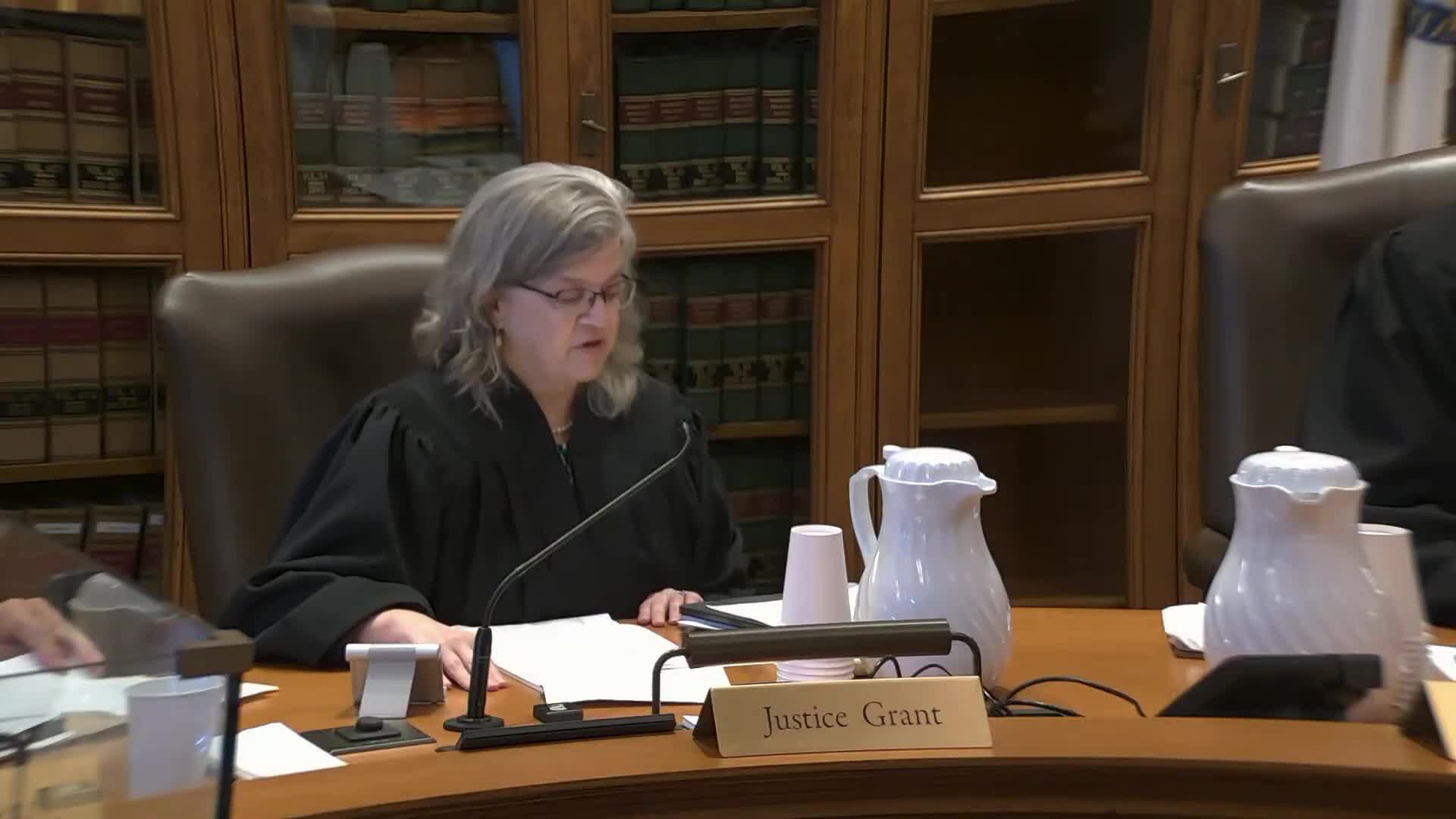
Summary
At oral argument in Commonwealth v. Jared Gill, defense and prosecution disputed whether the Commonwealth had to prove Massachusetts residency at a 2023 plea and whether recent appellate decisions change the remedy; the court asked for supplemental briefing on an intervening decision.
The Massachusetts Appeals Court heard competing arguments Oct. 1 over whether the Commonwealth had to prove that a defendant was a Massachusetts resident at the time of a 2018 arrest as part of a guilty plea in Commonwealth v. Jared Gill. Attorney Kim Peterson, representing Jared Gill, asked the court to vacate the convictions or, at minimum, grant a new trial because, she said, the record presented at the plea hearing and at a later evidentiary hearing contained documentary material that did not reliably show Gill was a Massachusetts resident at the time of the offense. “It is the Commonwealth's obligation, your honor, to set forth the facts in a plea hearing, and it's their burden to show that all the elements are met,” Peterson told the panel. Why it matters: the case implicates recent appellate decisions about whether residency is an element the Commonwealth must prove at plea hearings and what remedy follows when the record is ambiguous. If residency was an element that the Commonwealth failed to establish, defense counsel argued, the proper remedy is vacatur or a new trial rather than a mere remand. What the parties argued: Peterson said the complaint and plea paperwork largely reflected that Gill was a New Hampshire resident and that alleged Massachusetts tax forms in the record were not authenticated. She pointed to O'Donnell (referred to at argument as Donald or O'Donnell) and Crowder as controlling precedent for her view that the Massachusetts statute at issue was constitutionally infirm when applied to out-of-state residents and that the Commonwealth bears the burden to prove residency. Commonwealth counsel Matthew Fallon disputed that Crowder applied in the same way and urged deference to the trial court's factual determinations about credibility. Fallon said the plea colloquy did contain the prosecutor's statement that “the defendant did not have a license” and argued that if the defendant was a resident, the plea would be supported. He also urged the court to remand to the trial court for credibility determinations if the panel concluded the record was unclear. Court response and next steps: the panel questioned both counsel closely about the sequencing of intervening decisions (including a recent Rodriguez decision the court received shortly before argument) and whether Guidado/Guardado-era case law or later decisions abrogated the older holdings. The panel told counsel it already had Rodriguez and noted it might be implicated; the court said it would consider supplemental briefing. “We may wish supplemental briefing under rule 22(c)(2). We will discuss the matter and issue an order with time and page limits,” a presiding justice told the parties. Discussion versus decision: the court did not issue a merits ruling at the hearing. The panel asked for further written submissions to clarify whether Rodriguez changes O'Donnell/Guardado/Crowder holdings and whether the remedy should be dismissal, a new trial, or remand for factual findings. Context and key facts from the record: the charged offense occurred April 2018; the plea occurred April 6, 2023; a probation intake form dated 2023 listed a Massachusetts address; trial-court evidentiary materials included unsigned tax forms and testimony from the defendant’s mother stating Gill lived in New Hampshire. Defense counsel emphasized the dates and authenticity gaps in documentary evidence; the Commonwealth emphasized testimony and the plea colloquy. What to watch for: the court's forthcoming order on supplemental briefing and any opinion that clarifies whether the Commonwealth must expressly state Massachusetts residency at plea colloquies or whether a motion for new trial remains the appropriate vehicle.