
Court reviews injunction requiring Bristol Community College to place former officer in civilian security role
Get AI-powered insights, summaries, and transcripts
Subscribe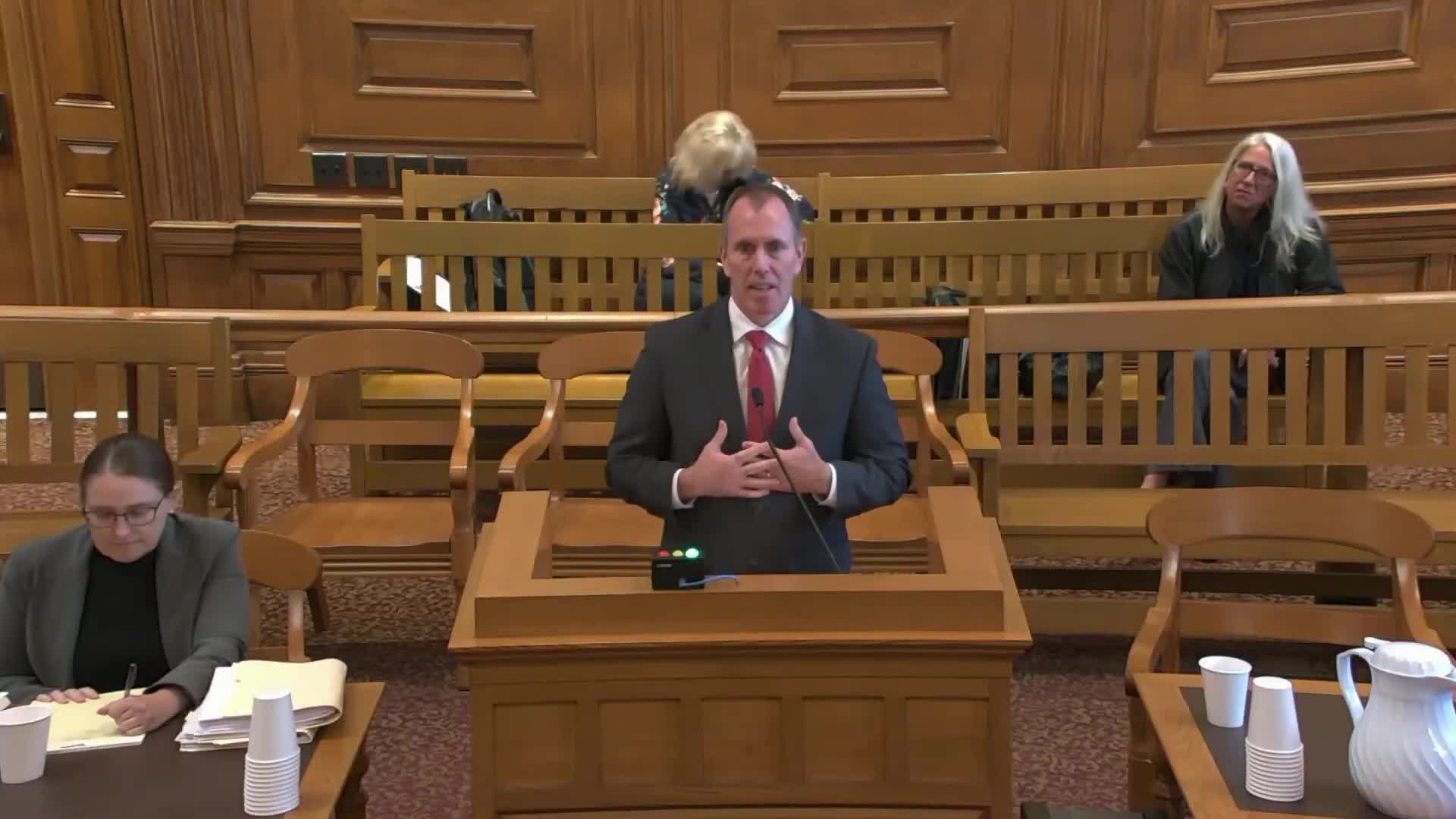
Summary
Appeals court heard competing arguments over a superior-court injunction ordering Bristol Community College to place Susan Ladoux in a security role and pay her at a campus-police rate despite her lacking POST certification.
Bristol Community College asked the appeals panel to stay or modify a superior-court injunction that directed the college to place Susan Ladoux into a campus security position and pay her under the campus police pay scale. Assistant Attorney General Daniel Cromack argued for the college that the injunction conflicted with POST (Police Officer Standards and Training) certification requirements and with the collective bargaining agreement covering campus police employees.
Cromack said the college's concern is legal compliance and public safety: the college has appointed Ladoux to a title but, he said, she lacks POST certification and "post certification is required to be a campus police officer, and miss Ladue does not have post certification." He described POST requirements (academy, physical fitness, psychological screening, firearms qualification) and argued the superior-court order risks having an individual paid in the campus-police pay grade who is not certified and not subject to the same recertification and discipline processes as other officers.
Counsel for Ladoux, Gigi Tierney, said the statute that created the equitable remedy in Section 75A recognizes returning injured employees to suitable work and that the trial record and jury verdict found Ladoux the best-qualified candidate for the earlier CPO vacancy. Tierney said there are administrative pathways to seek POST'approved modified requirements for rehiring and that the injunction's aim is to put Ladoux back into a career she lost through wrongdoing.
The college asked the court to strike portions of the injunction that require superior-court approval before the college can take disciplinary or classification actions and to reinstate the usual collective-bargaining procedures. Cromack argued paragraph 6 of the court's order improvidently supplants the negotiated grievance and arbitration process by requiring court approval for employment changes.
Justices asked whether the injunction created irreparable harm to the college's ability to staff a public-safety force and whether the college was effectively required to pay for a role it could not legally fill under POST; the college said the budget was strained and that paying an uncertified person at a campus-police rate reduced funds available for armed first responders and training.
Ladoux's counsel argued there are POST procedures to address long absences or changed requirements and that the superior court's equitable remedy aimed to put Ladoux back in the position she would have had but for the college's conduct. The panel heard argument and took the matter under advisement.