Regional MPO rebrands as Yavapai Plan, unveils Move 2050 long-range transportation blueprint
Summary
Prescott Valley study session: the former Central Yavapai Metropolitan Planning Organization announced a new name, expanded boundary and the Move 2050 25-year plan that prioritizes State Route 69 improvements, bicycle and pedestrian projects and regional conservation.
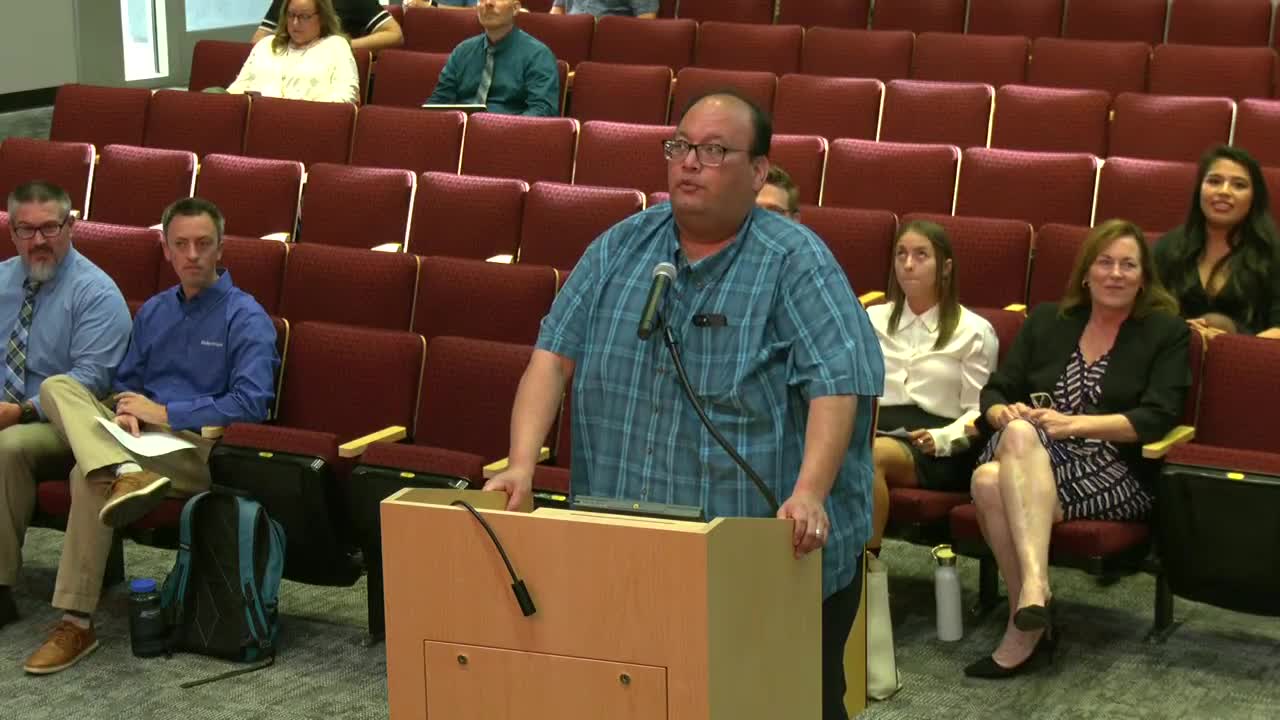
At a Prescott Valley study session Oct. 2, the regional metropolitan planning organization formerly known as the Central Yavapai Metropolitan Planning Organization announced it has rebranded as Yavapai Plan ("Y Plan") and rolled out Move 2050, a 25-year long-range transportation plan that its leaders said will guide regional project priorities and funding discussions. The presentation was delivered to the Prescott Valley Town Council by the MPO executive director, Vinny Gallo, and staff planners.
The rebrand reflects a boundary change Gallo said expanded the MPO’s planning area to roughly 6,000-plus square miles and added about 20,000 to 25,000 people to the region. “Our new name is Yavapai Plan or Y Plan for short,” Gallo said, describing the name as better matching the agency’s broader geography and work.
Move 2050, accepted by the MPO executive board in June, is the organization’s update to a federally required long-range transportation plan, planners said. “Move 2050 is essentially the blueprint for the future of transportation in Yavapai County,” Bryn Stott, planning manager, said, adding that the plan looks beyond traffic counts to socioeconomic and economic-development data used in technical travel modeling.
Why it matters: Yavapai Plan’s documents include prioritized project lists that local agencies use to seek state and federal dollars. Council members and town staff were told the plan will feed project-level conversations when proposed improvements fall inside Prescott Valley’s municipal limits.
Details planners highlighted include a corridor master plan for State Route 69. Stott said the team conducted an 18-mile study divided into nine segments and that that corridor — frequently cited by the public as a regional congestion pain point — produced a set of proposed improvements to be presented to Prescott Valley when projects move to the municipal level.
Planners also described ACT UP, the region’s first bicycle-and-pedestrian plan, which inventories existing facilities, identifies intersection upgrades such as sidewalks and protected crossings, and produces a prioritized project list that was integrated into Move 2050. “ACT UP is being considered by our board … and should be accepted by our board late in October,” Stott said.
Yavapai Plan staff further described an emerging regional conservation and trails planning effort, which they said grew from public concern during earlier corridor studies about protecting wildlife and open space while building transportation projects. Amanda Hart, planner, said the regional trails plan — the first product to come from that conservation discussion — will be developed over about 18 months with public events and outreach.
The MPO’s executive board, Gallo said, includes elected officials from towns and the county; he named Mayor Pagoda as a vice chair and listed other board officers in his presentation. Gallo and staff asked council members to review linked plan viewers and PDFs posted on the MPO website and use the documents when discussing future local projects.
Council members and town staff responded with thanks and said they value having a regional partner to coordinate technical analyses, public engagement and project funding efforts. No formal action was taken by the council at the meeting.