
Speakers at Kent’s Democracy Day urge constitutional change to limit corporate influence
Get AI-powered insights, summaries, and transcripts
Subscribe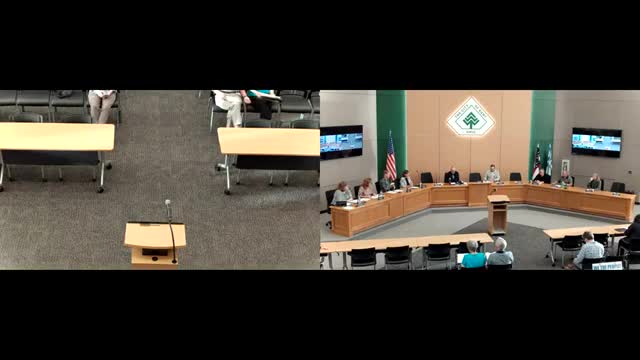
Summary
Dozens of residents and national organizers used Kent’s annual Move to Amend public hearing to call for a constitutional amendment ending corporate personhood and the idea that money is protected political speech.
Kent City Council convened its annual "Move to Amend" public hearing, also called Democracy Day, on Oct. 1, 2025, where residents and activists urged local and national action to limit corporate influence in elections and to support a proposed constitutional amendment removing corporate personhood.
The hearing, established in the Kent codified ordinances (Article 12, Section 5), opened with Council President Pro Tem Jack Amrine describing the event’s purpose: “The purpose of this hearing is to examine the impact on our city, state, and nation of the political influence by corporate entities and big money.”
Speakers at the meeting represented a mix of long-time Kent residents, local candidates, and national organizers. Greg Coleridge, identified as co‑director of the national Move to Amend campaign, told the council that “Legalized bribery is alive and well, and it's bipartisan,” and urged local officials to pass resolutions and gather signatures to press Congress for a constitutional remedy. Local speakers connected the issue to turnout and local development debates: Joe Cullum traced decades of court decisions he said undermined public trust in elections, while Bill Wyland urged council members to consider how limiting corporate political rights could change local policy outcomes.
Speakers described specific actions they want from municipal governments: petition drives to collect signatures, additional local resolutions joining more Ohio jurisdictions already supporting the We the People amendment, and greater outreach to the public to boost civic participation. Several commenters tied the movement to recent local planning decisions; Bill Wyland cited the city’s recent industrial-to-residential rezoning debate as an example of corporate influence over local land use.
Council did not take formal legislative action during the hearing; the session was a public comment period and a written record of statements will be routed to elected representatives as the ordinance establishing the hearing specifies. Jack Amrine said the city will record and forward the comments to elected officials.
Why it matters: proponents framed the amendment as a way to make local elections and policy debates less responsive to outside money and more directly reflective of residents’ priorities. Organizers asked council to consider joining other Ohio jurisdictions in a formal request to Congress and to support signature-collection for the national amendment effort.
Stakeholders and next steps: organizers said they will continue local petition drives and outreach to other municipalities. The council’s role in the process is limited: the hearing produces a public record and can spawn local resolutions, but any constitutional change requires action at the federal level.