
Council approves TIF necessity resolution; downstreet project would add 31 affordable units if voters approve
Get AI-powered insights, summaries, and transcripts
Subscribe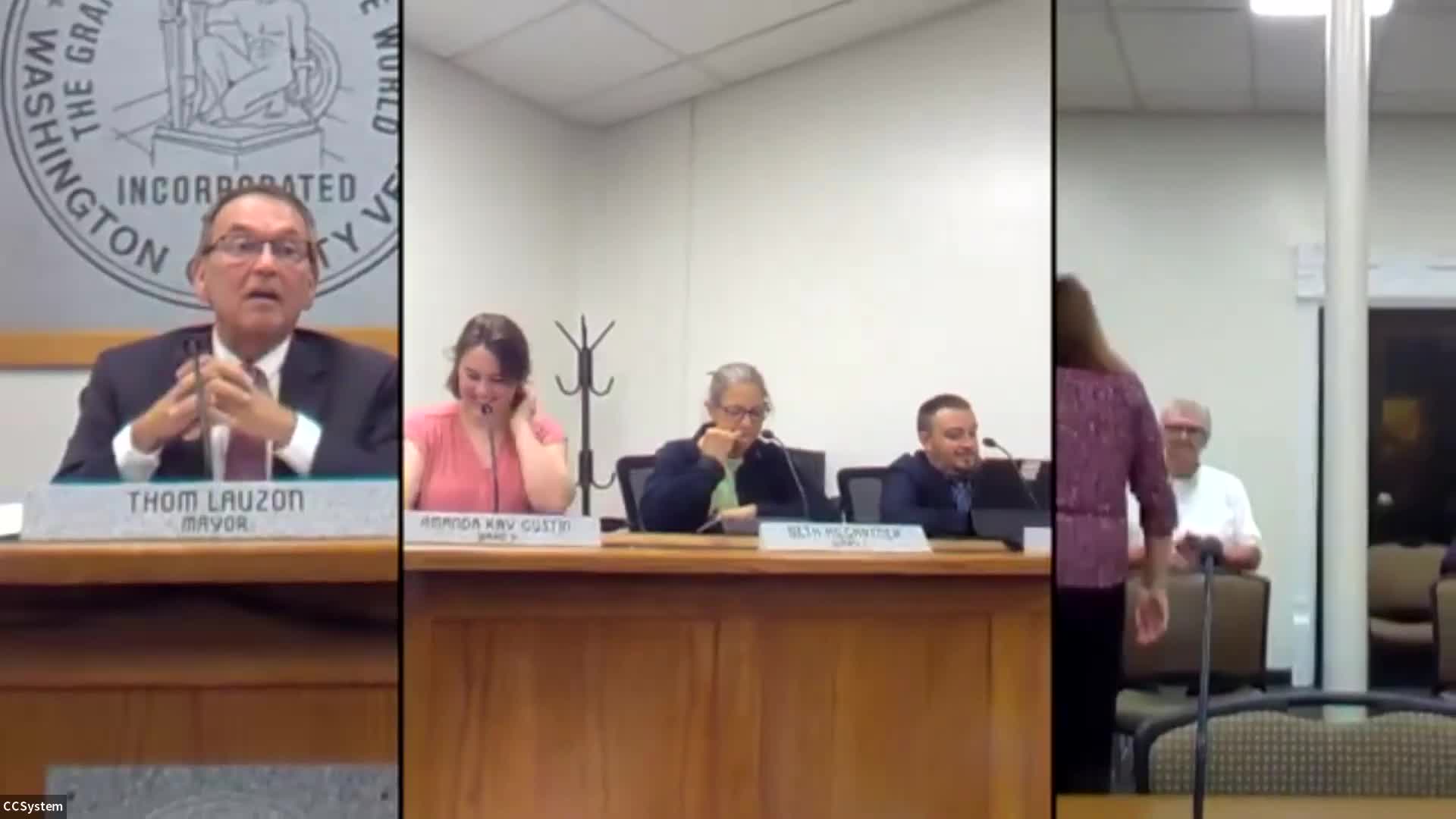
Summary
The Barre City Council approved a necessity resolution and declaration to put a $2.4 million tax-increment financing (TIF) bond on the Nov. 4 ballot to support infrastructure tied to a 31-unit affordable housing project by Downstreet. The city held a public informational session before the formal vote.
The Barre City Council on Sept. 30 held a public informational session and approved a necessity resolution to place a $2.4 million tax-increment financing (TIF) bond question on the Nov. 4 special-meeting ballot.
The bond would fund public infrastructure work intended to catalyze a Downstreet development called the Stevens Ranch project, which Downstreet representatives said would supply 31 affordable housing units downtown. On the Zoom, Steve Cohen of Downstreet described the planned building as a three-story, 31-unit, energy-efficient structure with a mix of studio, one-, two- and three-bedroom units, accessible units and community space; Downstreet said units would be restricted to households at roughly 50–80% of area median income and estimated average unit size at about 688 square feet.
Councilors and staff reviewed how TIF works, with staff and councilors emphasizing the district’s incremental tax-capture mechanism: the city uses incremental growth in the grand list generated by development to repay the project debt rather than raising the tax rate for existing taxpayers. City staff said the state reviewed and approved the change in the TIF project focus from parking to housing through the Vermont Economic Progress Council (VEPC), and that the city had capacity in the district to incur additional debt. The mayor said the city’s earlier TIF project (City Place) now generates roughly $300,000 a year in property taxes as a local example of long-term TIF returns.
Councilors approved the necessity resolution and the declaration of intent on voice votes during the meeting; the council also approved a warning for the Nov. 4 special meeting to present the bond to voters. Councilors and Downstreet representatives said the city would go to bid on infrastructure work this winter if voters approve the bond, with construction expected to start in spring 2026 and housing units anticipated to come online in 2027 if schedule holds.
Ending: The TIF bond goes before city voters on Nov. 4. Staff and Downstreet said they would provide informational materials and frequently asked questions to help voters understand the mechanisms, project benefits and the relationship between the bond and the housing development.