
Magistrate continues cases against unregistered short-term rentals; fines running in some matters
Get AI-powered insights, summaries, and transcripts
Subscribe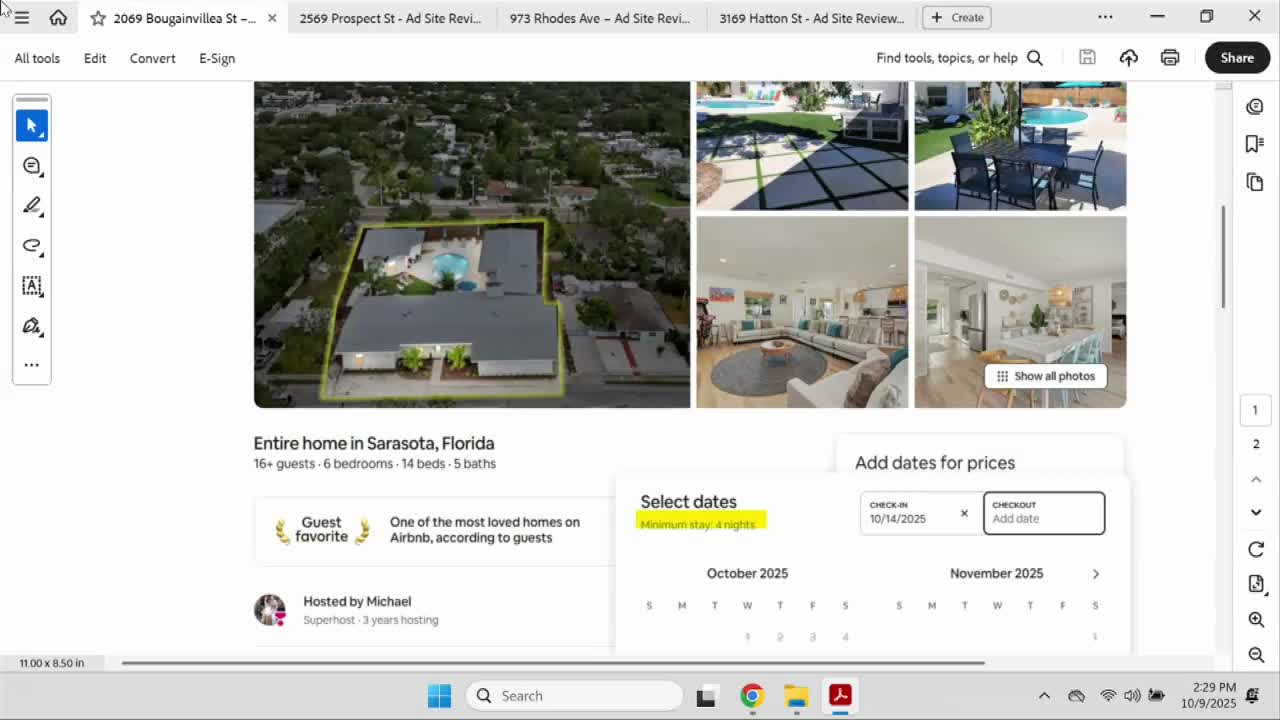
Summary
The City of Sarasota’s special magistrate continued multiple hearings on unregistered vacation rentals on Oct. 9, 2025, setting return dates and confirming that some properties remain subject to daily civil fines while others have inspections scheduled to seek compliance.
The City of Sarasota continued hearings Oct. 9 on multiple properties alleged to be operating as vacation rentals without required local registration, advertising the units for stays under the city’s seven-night minimum and, in some instances, exceeding the city’s occupancy rules.
Why it matters: Unpermitted short-term rentals can trigger daily civil fines and large cumulative liabilities; magistrate rulings and inspection results determine whether properties must cease transient rentals or face ongoing penalties.
City attorney Miss Kennedy told the court the city had evidence that several properties were operating without a certificate of registration and in violation of advertising rules and the zoning code’s limits on transient lodging. "This is a new case today for violation of our city code section 34.5-19(a)(1) for the operation of a vacation rental without a certificate of registration," she said.
Magistrate Richard Ellis continued individual matters to give owners a chance to correct advertising and complete inspections. For example, the hearing for Michael Brinkman was continued to Nov. 20 at 1:45 p.m.; Miss Kennedy confirmed the city had an inspection scheduled for Nov. 4 and that advertising language would need to be changed to reflect the seven-night minimum. Brinkman said he would change the listings and attend the scheduled inspection.
In the case of Man Van Truong and Gulf Coast Realty and Management, counsel and an on-site representative told the magistrate that an inspection was set for Oct. 10 and that advertising would be changed immediately; that matter was continued to Oct. 23 at 2 p.m.
The magistrate also admitted city affidavits documenting notices, service and running fines where respondents did not appear or comply. In at least two cases the transcript shows fines had been calculated and were running at $100 per day — the magistrate noted those tallies on the record and required that a representative appear at the next scheduled hearing.
The magistrate repeatedly stressed the narrow scope of the hearings: the city seeks registration and compliance with the city code’s minimum-stay and occupancy rules, not to evaluate the underlying suitability of a property for rental. "You'll need to change your advertising and complete the inspection process so we can close the case," Ellis told multiple respondents.
Several respondents said they had appointments with city staff or were taking steps to change listings and provide documents. Where owners have not yet registered or corrected advertising, fines continue to accrue and future hearings were scheduled.
Looking ahead: Most vacation-rental matters were continued for one–to–two hearings so inspectors can verify corrections and owners can provide registration. If violations remain at the next hearing, magistrate orders recorded on the public docket may include daily fines or other remedies.