
Residents press Addison board for transparency after reported ICE activity; callers ask for protections and outreach
Get AI-powered insights, summaries, and transcripts
Subscribe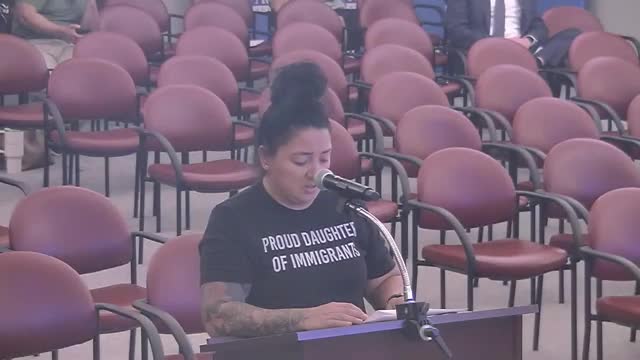
Summary
Multiple residents told the board Oct. 6 they have seen immigration‑enforcement activity in and near Addison and urged the village and police to provide clear public information, consider executive actions, and ensure community trust and safety.
Several residents addressed the Village of Addison board on Oct. 6 with concerns about immigration enforcement in the community and requests for greater transparency and protective measures.
Speakers from the public described witnessing federal immigration agents in visible locations and said video footage obtained via Freedom of Information Act requests showed agents parking in or near police facilities. They urged the Village and police department to share information with the public, adopt policies to prevent agency use of village facilities, and expand multilingual outreach to reduce fear in immigrant communities.
What residents said: Dr. Maria Sinkyo (presenting as a social worker and community member) told the board she had attended a county meeting and recommended the village share information from advocacy groups and consider an executive order to prevent ICE from using village spaces; she said the Addison Police Department had publicly reaffirmed a commitment to the Illinois Trust Act but that ICE presence in the community continued to cause fear. Robert (RJ) Impisino and other residents recounted seeing transportation vans and people being taken from parking areas and said the situation had reduced residents’ willingness to go to stores or schools. Allison Galvin, who identified herself as a lifelong Addison resident, referenced Illinois Senate Bill 2033 (the Immigration Safe Zones Act) and urged the village to adopt protections for schools, clinics and municipal places and to provide multilingual outreach.
Board response and context: Mayor Tom Hundley and trustees heard the statements during the audience‑participation portion of the meeting; no formal action or ordinance was adopted during the session. The speakers asked for the Village and police to issue clearer public guidance, to consider an executive order limiting use of municipal spaces by immigration enforcement, and to encourage private landowners to follow similar practices.
Why it matters: residents said visible enforcement activity and unclear public information have caused fear and diminished trust in public institutions. The requests, if pursued by the board or staff, would involve policy decisions around municipal facilities, public‑safety protocols, and community outreach efforts.
What’s next: residents asked the board to (1) publish information and guidance for residents, (2) consider policy options or executive actions that restrict use of municipal spaces by immigration enforcement, and (3) expand multilingual outreach and community engagement. The board did not take action at the Oct. 6 meeting; staff follow‑up would be required to evaluate legal authority and operational implications of any formal restrictions or orders.