Get Full Government Meeting Transcripts, Videos, & Alerts Forever!
Get email alerts on the Vacancies Absences topic
No spam. Unsubscribe anytime.
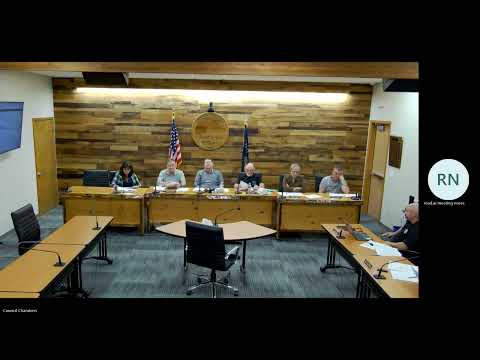
Committee narrowly approves 30-day absence rule and keeps 60-day meeting absence standard
Summary
The committee debated and ultimately approved language treating an appointed office as vacant after absence from the city for 30 days or more unless the councillor is excused by the council; members also left the 60-day absence-from-meetings clause in place.
The Charter Review Committee voted to retain a vacancy rule that treats an appointed office as vacant if the incumbent is absent from the city for 30 days or more without the council’s consent, and it kept a related 60-day absence-from-meetings provision.
The 30-day provision was the subject of extended debate. Councilor Bronson had asked to remove the phrase requiring vacancy upon absence for 30 days. Committee members discussed whether the rule effectively forces councillors to seek council permission for extended travel or whether the council’s consent functions as a reasonable-excuse procedure.
A change to add the words “for a period of more than 30 days” or “30 days or more” and to require that such requests “shall not be unreasonably denied” was proposed. That motion initially failed on a roll-call vote, but a subsequent motion to adopt a 30-day-or-more formulation passed. The committee recorded the vote as “Motion carries.”
Committee members stressed that the provision is intended to address cases where a member simply becomes unreachable, not routine short absences. City staff noted that council consent can act as an excused absence and that the county clerk and other offices check candidate addresses before elections; the committee discussed the practical scheduling and notification implications for filling vacancies and the time needed to advertise and interview applicants.
The committee agreed to keep a separate 60-day absence-from-meetings clause in the charter; members said the council would typically approve reasonable absences and that the 60-day rule addresses extended nonattendance. The committee forwarded the revised vacancy language to the full council.