Get Full Government Meeting Transcripts, Videos, & Alerts Forever!
Get email alerts on the Helene Recovery Plan topic
No spam. Unsubscribe anytime.
Buncombe’s Helene long‑term recovery plan includes 17 projects for Woodfin; council to consider adoption in December
Summary
Town staff summarized a countywide long‑term recovery plan funded by FEMA that assigns 17 project pages to Woodfin. Staff said the plan catalogs project purpose, costs and potential partners and that Buncombe County will seek formal adoption, with Woodfin likely to adopt sections locally.
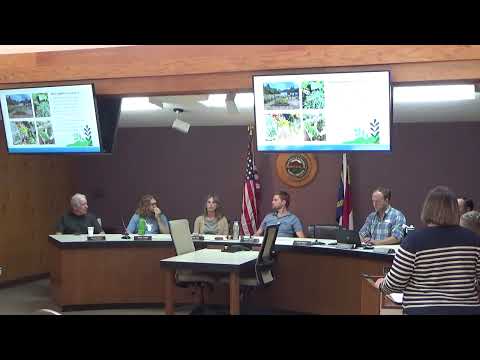
Town staff briefed the Woodfin Town Council Wednesday on Buncombe County’s FEMA‑funded long‑term Helene recovery plan, which divides countywide recovery into municipal sections and assigns individual project pages for each town.
Shannon, a town staff member, said Buncombe County led the development of the plan using FEMA funding and county staff. The plan is countywide but breaks projects into municipal sections; Woodfin’s section lists 17 projects, each with a project description, intended outcomes, implementation complexity, rough cost and potential partners. Staff said the plan pages are posted on the town and county websites, and council members can review and provide feedback.
Shannon said the county will seek commission approval of the plan and that municipalities are being asked to adopt their sections. Woodfin staff expect the plan to come to the town council in December to allow community input. Shannon said the county’s public feedback on the plan portal was limited and that the town accepts comments through its website as well.
Council members asked whether adopting the plan obligates the town to complete every listed project. Shannon said adoption would not create a binding obligation to complete all projects; the list is meant to identify priorities that can help when applying for grants and other funding. Funding would come from varied sources over time; the plan itself was funded by FEMA and county staff, and project implementation would rely on municipal, county, state and federal funds, grants and potential partners.
Staff emphasized that the plan is intended to move recovery beyond immediate debris removal and short‑term repairs to resilience projects and longer‑term community priorities such as housing, infrastructure and communications.