Get Full Government Meeting Transcripts, Videos, & Alerts Forever!
Get email alerts on the Veteran Suicide Prevention topic
No spam. Unsubscribe anytime.
Local veterans urged to seek help as county leaders outline resources during suicide prevention month
Summary
County and behavioral-health leaders described suicide risk factors for veterans and listed local services — including the county Veterans Affairs office, a South Scranton Vet Center, Valhalla Veteran Services, Camp Freedom and the 988 hotline — and urged anyone in crisis to reach out.
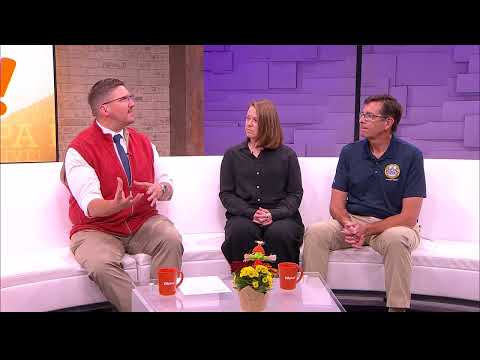
A sponsored broadcast segment during September— National Suicide Prevention Month featured Tim Booth, director of Veterans Affairs for Lackawanna County, and Mickie Dretchell, administrator of the Lackawanna Susquehanna Behavioral Health Intellectual Disability and Early Intervention program, who urged veterans and family members to seek help and described local support options.
The program noted that “suicide is the twelfth leading cause of death for veterans, the second for those 45,” and that, in Pennsylvania, “231 veterans died by suicide” in 2022. Booth and Dretchell discussed causes that elevate suicide risk among veterans and the local services available to respond.
Why it matters: veterans are at increased risk because of combat exposure, traumatic brain injuries and what the U.S. Department of Veterans Affairs characterizes as military-related trauma and post-traumatic stress disorder, the segment said. Local leaders emphasized that multiple local organizations and county offices can connect veterans to counseling, hospitalization when needed and peer-led programs.
Booth, who leads Lackawanna Countys Veterans Affairs office, listed entry points for care and described how staff handle crisis screening: “The first thing we do is ask that person. If we suspect that they are thinking about it, are you considering killing yourself? Are you considering suicide? And once we have identified that, then we can walk down, get them the resources that they need.”
The broadcast named specific local resources: a Vet Center in South Scranton offering counseling; Valhalla Veteran Services in the Kaiser Valley; and Camp Freedom near Carbondale, which Booth said is staffed by former service members who share a common experience with veterans seeking help. Dretchell described the county behavioral-health programs role in offering crisis and ongoing care: “Its a comfort knowing that, you know, our program is able to provide services to the community at large, you know, for people who are in crisis or for people who have, you know, long standing mental illness.”
Speakers also reminded listeners of how to access help: call a county Veterans Affairs office, contact local veteran organizations such as an American Legion post or VFW, reach out online to behavioral-health providers, or use the 988 suicide and crisis lifeline. The hosts and guests emphasized that people sometimes feel embarrassed to ask for help, and encouraged making the first call.
There were no formal actions taken during the segment; it was informational. The segment closed with thanks to Lackawanna Susquehanna Behavioral Health Intellectual Disability Early Intervention for sponsoring the conversation during Suicide Prevention Month.
For veterans in crisis: contact your county Veterans Affairs office, a local Vet Center or veteran service organization, or dial or text 988.