Get Full Government Meeting Transcripts, Videos, & Alerts Forever!
Get email alerts on the Veterans Mental Health topic
No spam. Unsubscribe anytime.
Health committee: VA billed for clinical care; federal grant funds used for peer support and training for first responders
Summary
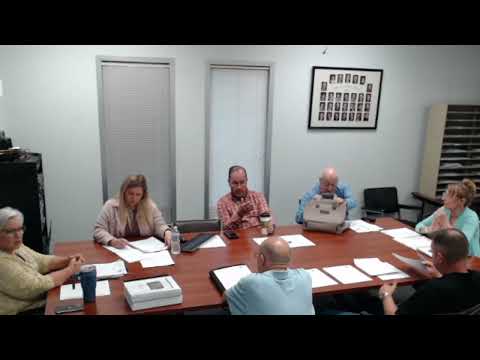
At the Oct. 7 Iroquois County Health Committee meeting, mental-health providers and a VA representative clarified that VA benefits are billed for clinical treatment, while recently awarded federal grant money is funding peer-support groups, outreach and training for first responders and veterans.
The Iroquois County Health Committee heard Oct. 7 that veterans who seek clinical mental-health treatment through the county’s community mental-health center are billed directly to the U.S. Department of Veterans Affairs when they have VA benefits, while separate, federally funded grant money is being spent on peer-support groups, outreach and training for first responders and veterans.
At the committee’s meeting, Jennifer (VA representative) told members that clinical care provided through the community care network is a standard pay-source arrangement: “If they have VA benefits, we bill the VA directly,” she said. Committee members raised questions after learning the grant-funded activities were described alongside VA billing in prior conversations.
The distinction matters because the federal grant discussed does not pay for individual clinical encounters that would be billed to the VA. Instead, the grant — a federal first‑responder/suicide‑prevention award — is funding nonclinical activities including marketing, peer-support groups, education and training for first responders and related family members. Chad (mental-health center staff) said the grant supports a coordinator who delivers certified trainings such as Mental Health First Aid and QPR (Question, Persuade, Refer), and a CALM-style program to address access to lethal means. He also said the program distributes gun locks and safes to first responders and provides targeted training for 911 telecommunicators.
Committee members asked about how long grant funding will continue. The presenters said the grant’s funding horizon has been extended previously and could end either in December or next June depending on federal allocations; the county has accepted its portion of the remaining funds and plans to continue the peer-support activities if possible after the federal grant ends. “We plan on doing, at least, the peer support piece,” Chad said.
Committee discussion clarified that the community‑care arrangement is separate from grant activity. “Community care is not a grant,” one provider said during the meeting. Members also emphasized the overlap between veterans and first responders in the county — several first responders are veterans — and noted seasonal suicide risks for farming populations. The committee did not take formal action on the issue at the Oct. 7 meeting.
Speakers at the Oct. 7 meeting described the grant-supported training as targeted to the occupational stresses of first responders and 911 telecommunicators, focusing on secondary trauma and on how those workers can recognize and refer people in crisis while managing the occupational burden of repeated exposure to traumatic calls. Presenters emphasized that the trainings are for the first responders and 911 staff themselves, not for bystanders or callers.
The presenters said the county’s role is to promote and host peer‑support activities and trainings funded by the grant, while clinical treatment remains routed through the VA or other pay sources such as insurance or Medicaid. Committee members thanked the presenters for the clarification and for including veterans in outreach and peer-support efforts.
Committee members said they expect to revisit grant continuity in future meetings as federal funding timelines become clearer.