Get Full Government Meeting Transcripts, Videos, & Alerts Forever!
Get email alerts on the Manufactured Home Pilot topic
No spam. Unsubscribe anytime.
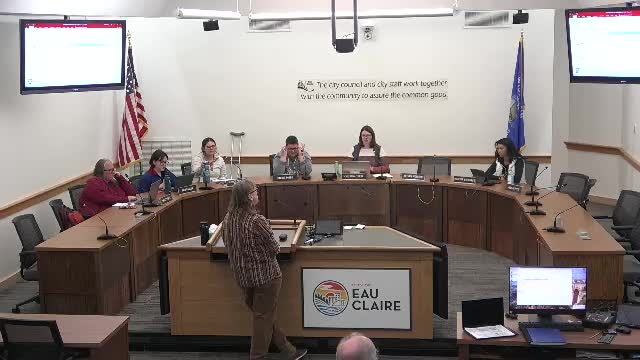
Commission hears manufactured-home pilot proposal; asks housing authority to return with evaluation details
Summary
Staff proposed a pilot to place one or two HUD-code manufactured homes on city-owned lots as a fast, low-cost way to add one-bedroom affordable units. Commissioners asked for details on operations, rent structure and selection, and recommended scoring the project against the newly adopted rubric before committing funds.
City staff presented a proposal Oct. 8 to run a small pilot placing manufactured homes on city-owned lots as a way to quickly add one-bedroom, deeply affordable rental units.
Staff described the pilot as placing one to two HUD-code manufactured units on city-owned parcels, managed by the housing authority, and proposed an initial cost estimate of about "140 per home turnkey" (presentation language). The pilot would be limited to a small number of units at first to test site logistics, tenancy outcomes and maintenance needs; staff said a successful pilot could be followed by an additional 10 to 12 units the next year.
Why it matters: Commissioners and several council members said the approach could add highly affordable, one-bedroom units more quickly and at lower cost than typical site-built projects. At the same time, commissioners asked for specifics about tenancy rules, rent-setting, occupant screening, maintenance responsibilities and whether the units would be permanently affordable.
What was proposed - Pilot scope: Staff proposed placing 1–2 HUD-code manufactured homes (one-bedroom models were recommended for the pilot), sited on city-owned lots near transit and service providers. Staff emphasized the units would be rented and managed by the housing authority and would remain affordable while managed in that system. - Cost estimate: Staff reported an estimated turnkey cost of "140 per home" in meeting remarks; staff said the city-owned lot would be the primary land cost removed from the per-unit estimate. Staff also said the housing fund could contribute toward the pilot and that additional local resources might be paired for later expansion. - Zoning and code: Planners advised two units can be placed on a single lot if one is treated as a primary unit and the other as an accessory dwelling unit; three or more units would trigger state regulation of manufactured-home parks.
Questions raised Commissioners and council members probed operational details: how the housing authority would set rents (voucher rules and "40% of income" approaches were discussed), whether the housing authority can prioritize households experiencing homelessness or other target groups, what tenant responsibilities (lawn care, snow removal) would be, and whether small shared storage or utility sheds would be provided. Staff said the housing authority's prioritization practices would be part of the evaluation and suggested housing-authority staff attend the follow-up discussion.
Commissioners also asked how to measure pilot success. Staff suggested metrics such as days-to-occupancy, tenant stability, maintenance calls, and compatibility with neighborhood operations; commissioners requested a written evaluation plan and a rubric run-through before making a final funding commitment.
Outcome and next steps No appropriation was made. Commissioners asked staff to return in November with the pilot evaluated against the newly approved rubric and to invite housing-authority staff (Jessica was named in discussion) to describe tenancy, rent-setting and prioritization. Commissioners said they would then consider whether to allocate fund dollars to the pilot or to require the project to compete in the standard RFP.
Source excerpts from the meeting transcript are available on file with the commission.