
Douglas County authorizes 2026 property‑tax rebate pilot changes after first‑year results showed 109 eligible households
Get AI-powered insights, summaries, and transcripts
Subscribe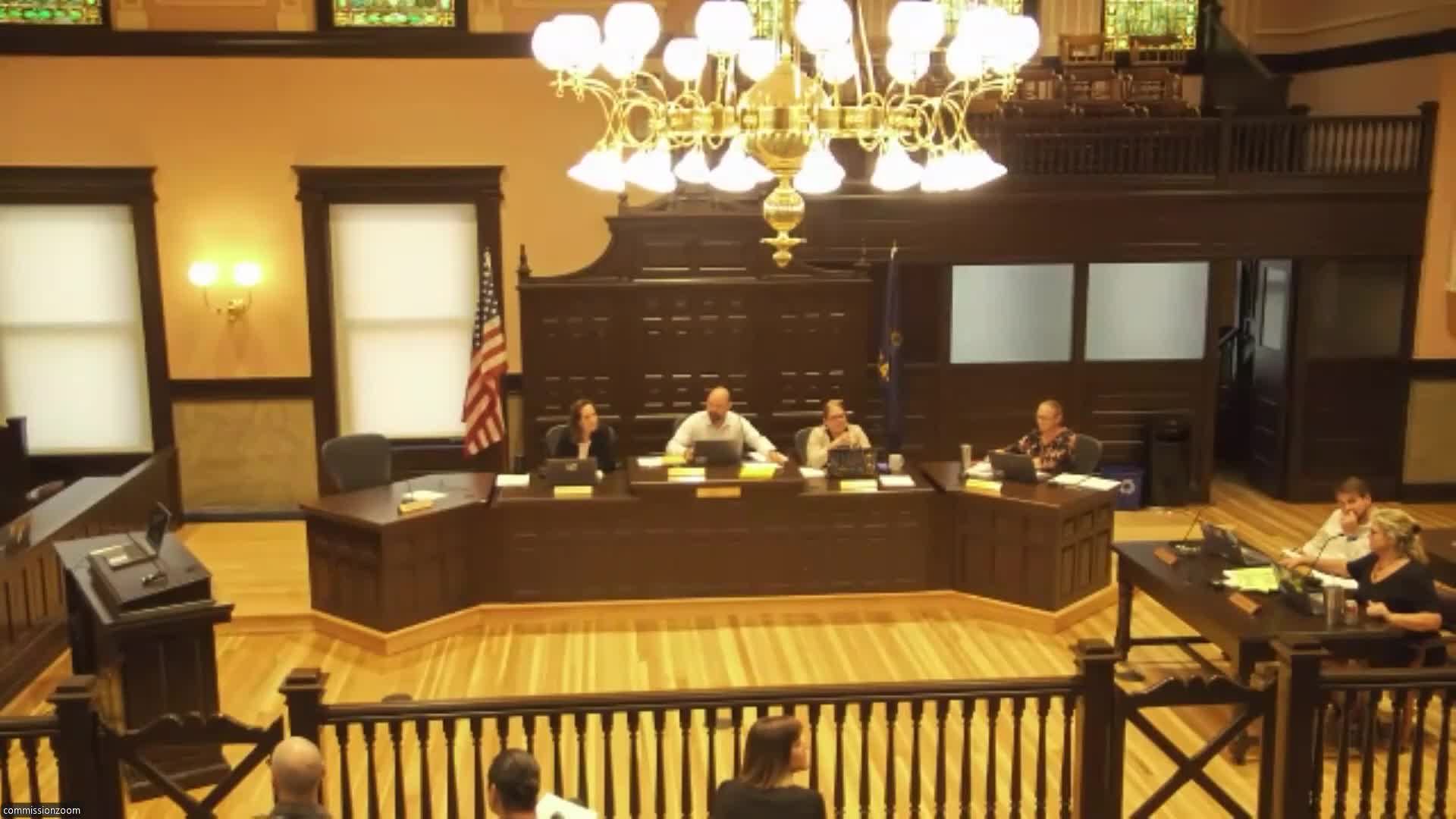
Summary
The Board authorized staff recommendations to increase the maximum rebate to $400, align income counting with the state homestead refund, and adjust eligibility thresholds after a first pilot year that rebated about $31,000 to 109 households.
The Douglas County Board of Commissioners on Oct. 8 authorized changes to the county’s property‑tax rebate pilot program for 2026 after staff presented results from the program’s first year and recommended adjustments to increase uptake and alignment with state programs.
Jake Broadbent, assistant to the county administrator, said the pilot had 135 applications in the first year and that 109 applications were eligible. Broadbent said the county rebated roughly $31,000 total this year, an average of $281 per household, representing about a 37% rebate of the county portion of the tax bill and about 13% of a household’s total property tax. He said the average appraised value among applicants was about $205,000.
Adam Raines, Douglas County treasurer, provided an overview of the state programs that commonly reduce property‑tax liability — the homestead refund, SAFER and the SVR — and staff described differences between the county pilot’s income counting and the state homestead refund. Jason Gove of the county clerk’s office said staff often discussed home appraisal value with applicants in person and that many potential applicants stopped the process when they learned the county appraised value limit ($350,000) would disqualify them.
Staff recommended three primary changes for 2026: raise the maximum rebate from $300 to $400; count 50% of Social Security toward household income (to align with the state homestead refund’s approach); and change the income‑eligibility guideline to use either the HUD very‑low‑income limit or the homestead refund threshold, whichever is higher. Broadbent said the changes are intended to “make our program more closely aligned with the homestead refund program” and to increase participation. Commissioners noted staff had set aside $500,000 from fund balance to operate the program.
Commission discussion focused on outreach, whether the increased maximum would encourage applications and how to measure program usage going forward. Commissioners suggested targeted outreach to known homestead‑refund recipients and local organizations (Senior Resource Center, AARP tax‑aid, veterans’ office) and asked staff to consider collecting brief application‑exit reasons (why an applicant started but did not complete an application) to improve communications.
A motion to authorize the 2026 property‑tax rebate program with the staff’s recommended changes passed 4‑0. The motion did not specify who moved and seconded on the public record in the transcript excerpt.