Get Full Government Meeting Transcripts, Videos, & Alerts Forever!
Get email alerts on the Land Use topic
No spam. Unsubscribe anytime.
Commission approves UDO amendment to allow structures for community gardens
Summary
The Planning Commission approved UDO Amendment No. 76 to permit limited structures on community garden sites to support education and training; staff said structures remain subject to UDO setbacks, permitting and accessory-structure rules.
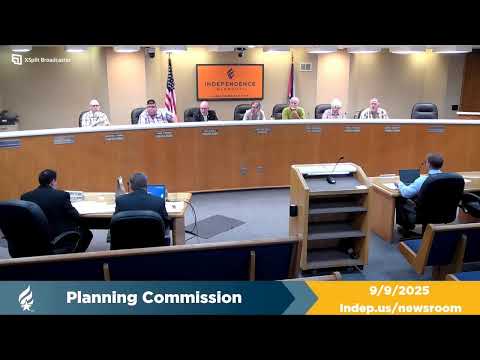
The Independence Planning Commission on Sept. 9 approved UDO Amendment No. 76 to allow certain structures on community garden sites for education and training purposes, while keeping those structures subject to standard Unified Development Ordinance (UDO) requirements including setbacks and building permits.
Planning staff, identified in the hearing as Rick, said the change responds to inquiries from community groups that want to add modest, code-compliant structures to garden sites to host instructional activities and make community gardens more usable. ‘‘This code amendment would allow anybody who has a community garden to have a structure that could be built,’’ Rick said, while stressing that structures still must meet the city’s UDO standards for setbacks, permits and context.
Commissioners asked about size limits and ownership. Staff said the amendment does not change the existing accessory-structure limits in the UDO (the amendment language references a 15% maximum area for structures), and that any structure would be associated with the property owner and subject to applicable property taxes and building-permit requirements. Commissioners discussed past community-garden experience and cited barriers such as the lack of sheltered space for education and parking.
No public opposition was recorded. The commission voted 7–0 to approve the amendment; Planning staff said the change aims to support community resilience and provide space for education on cultivation and crop growing.