
Commission member Tanya Melendez offers strategic plan emphasizing bilingual outreach and timeline to meet election deadlines
Get AI-powered insights, summaries, and transcripts
Subscribe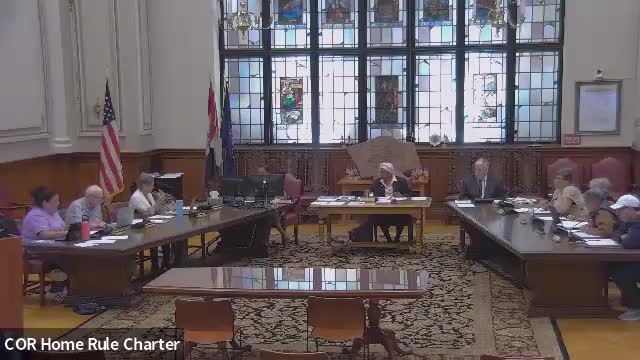
Summary
Charter Review Commission member Tanya Melendez presented a written strategic plan proposing a chapter-by-chapter review, bilingual public engagement, a suggested meeting schedule and a draft budget; commissioners discussed the need to finish work early enough to affect the primary ballot.
Tanya Melendez, a member of the Charter Review Commission, presented a written strategic plan on Sept. 20 outlining the commission’s purpose, a suggested timeline, public engagement steps and a draft budget.
Melendez told the commission the plan is a framework intended to keep the review “chapter by chapter” and to align proposed charter changes with the city’s planning documents: “we have to ensure that [the charter] reflects the current governance needs and promotes transparency, equity, and efficiency,” she said. She said the plan includes bilingual surveys, at least two public forums, partnerships with community organizations and a public-input summary to be included in the commission’s final report.
The document, Melendez said, also includes a suggested meeting schedule avoiding major holidays, a review worksheet for commissioners to use individually and a section linking charter work to the Reading Downtown strategic master plan. She described a proposed budget breakdown and said she had “stuck to the $5,000 limit” when drafting categories; she later said a total spending envelope of $15,000 was under consideration in prior discussions.
Commissioners discussed timing and ballot deadlines. Sheila Perez and other members pressed the commission to finish work early enough to place charter amendments on the primary ballot if they choose to do so. A commission participant explained that referendum language must reach the board of elections roughly 13 weeks before a primary and that, to meet that schedule for the 2026 primary, the commission should aim for a January 29 deadline for a near-final package to allow two weeks of workshop time.
Melendez said the plan is a “living” document and can be edited; she offered to re-circulate electronic copies and provide printed packets for commissioners who prefer paper. Several members asked for hard and electronic copies and for the draft budget and prior-expenditure records to be shared ahead of future meetings.
The commission did not take a formal vote on the strategic plan at the Sept. 20 meeting. Members agreed to continue discussion, circulate the draft, and address budget and timeline constraints in subsequent meetings.