
Supreme Court finds prosecutor violated duty to correct false testimony in Glossop v. Oklahoma, orders new trial
Get AI-powered insights, summaries, and transcripts
Subscribe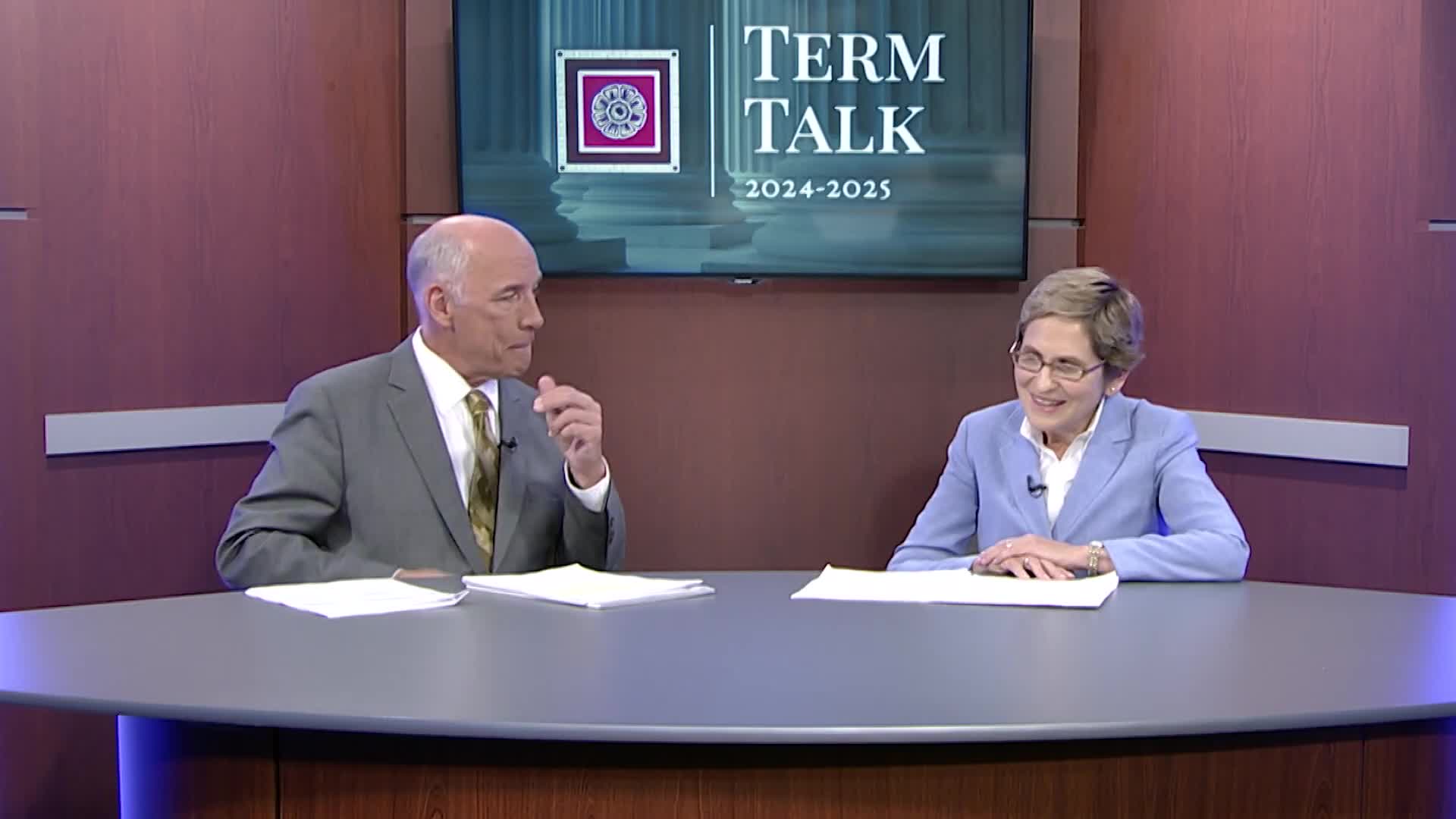
Summary
In Glossop v. Oklahoma the Supreme Court held that prosecutors have a duty to correct known false testimony under Napue v. Illinois and found that duty breached in a death-penalty case involving Richard Glossop; the court granted a new trial while justices sharply disagreed over remedy and materiality.
Richard Glossop, a death-row inmate, was granted a new trial by the U.S. Supreme Court after the justices found prosecutors failed to correct false testimony presented at his trial, the court said during a Term discussion on prosecutorial obligations.
The decision matters because it applies Napue v. Illinois doctrine to post-conviction discovery that revealed a key state witness, Justin Snead, had given false testimony about mental-health treatment and medication—facts the Supreme Court majority said the prosecution knew or should have known and failed to correct.
Glossop was convicted in a murder-for-hire case in which Snead was the key witness. Defense counsel later received new state-produced documents—described in the post-conviction record as roughly eight boxes—that showed Snead had lied when he denied a bipolar diagnosis and relevant prescriptions. The existence of that evidence was central to the successive petition filed on Glossop’s behalf and to the question whether the Oklahoma courts properly denied relief under the Oklahoma Post-Conviction Procedure Act.
The court first held it had jurisdiction over the appeal because, Justice Sonia Sotomayor explained in the majority opinion, the state procedural ruling could not be treated as an independent and adequate state ground without resolving an antecedent federal question under Napue. On the federal Napue question, the majority agreed that the prosecutor violated due process by failing to correct known false testimony.
The remaining dispute was remedy. A majority of the court concluded a new trial was warranted; Justice Amy Coney Barrett broke with the majority on the remedy and joined the dissent on that point, producing a 5–3 split on whether to order a new trial or remand only for further factual development. Justices Clarence Thomas and Samuel Alito dissented in full, arguing the discrepancy between Snead’s testimony and the later evidence was immaterial to the conviction and death sentence. Justice Neil Gorsuch recused himself from the case.
"It's not just Brady violations," Laurie Levinson, professor of law, said during the Federal Judicial Center podcast discussion. "It's when you get this information, does it show that a prosecutor violated due process by not correcting false information that was presented?"
Levinson added, "There is an absolute duty to do that." Evan Lee, emeritus professor at UC Law San Francisco, noted the case’s unusual procedural history and length, saying it has been before the Supreme Court for a very long time.
The transcript and the court’s opinions highlight two contested legal questions: how to treat state post-conviction procedural bars when federal constitutional questions are antecedent, and how to assess materiality when prosecutors allow false testimony to go uncorrected. The dissenters warned against reversing on the record before additional factfinding; the majority concluded the record supported the constitutional remedy.
The attorney general of Oklahoma had supported Glossop’s request for a third trial, and the court’s ruling resolves the Napue question in a way that will guide lower courts considering post-conviction disclosures of witness credibility evidence.
The case draws particular attention because it involved a death sentence, successive petitions under state post-conviction procedure, and newly produced documentary material that the defense says undermined a key witness’s credibility.