
Board of Aldermen OKs Changes to Zoning Code to Allow Accessory Dwelling Units
Get AI-powered insights, summaries, and transcripts
Subscribe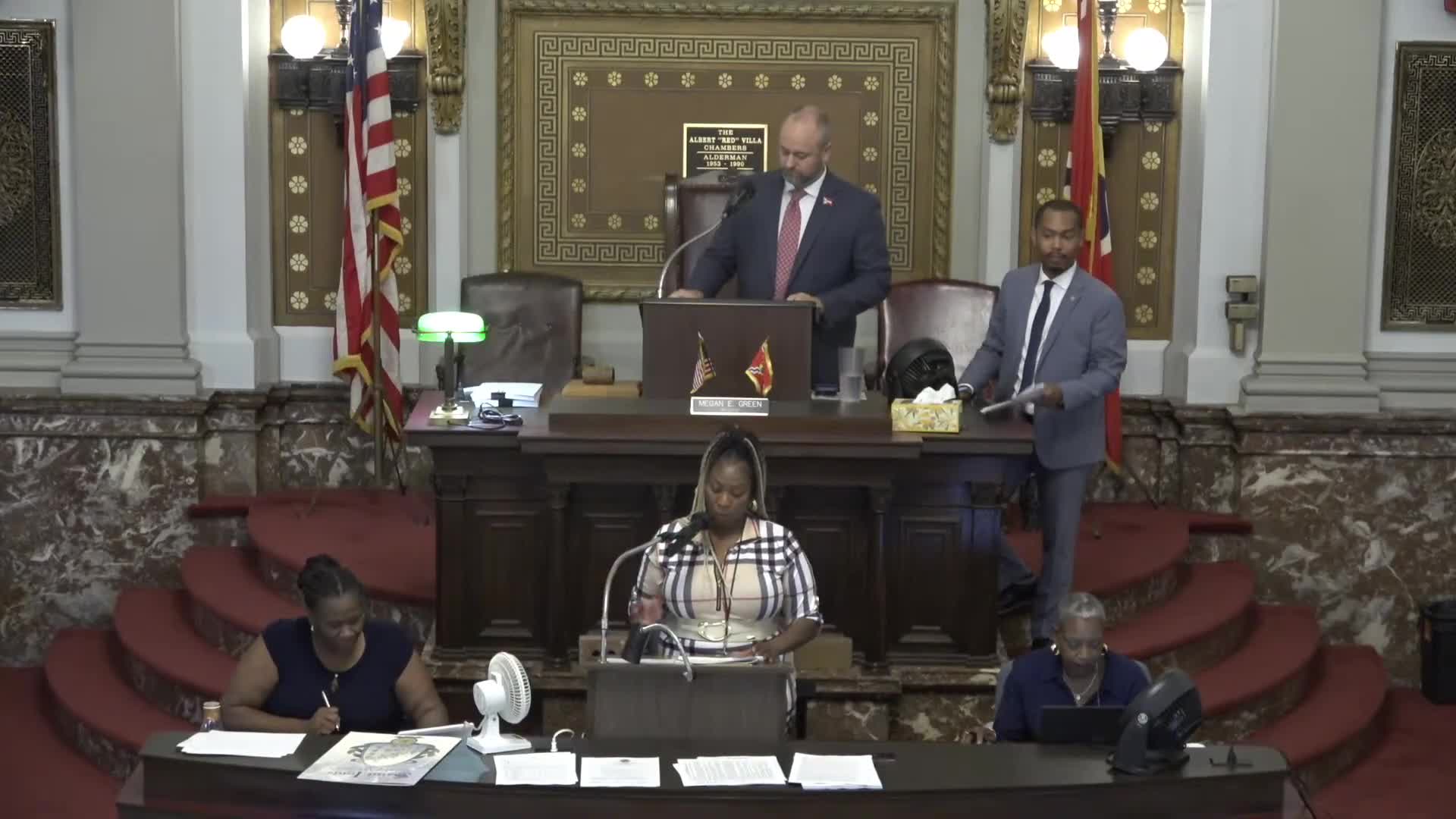
Summary
The Board of Aldermen voted 12–1 to third-read and finally pass board bill 60, an ordinance that amends Chapter 26 of the city zoning code to define, permit and regulate accessory dwelling units (ADUs). One alderman warned the change could encourage short-term rentals.
The Saint Louis Board of Aldermen on Friday voted to third-read and finally pass board bill 60, an ordinance amending Chapter 26 of the zoning code to define, permit and regulate accessory dwelling units (ADUs). The measure passed on a roll call of 12 ayes and one no.
Board bill 60 was introduced by Alderwoman Shamim Clark Hubbard and carried through final passage by members who said the change updates the city’s zoning rules to allow ADUs under defined conditions. The ordinance text, as presented to the board, states it "defines, permits, and regulates accessory dwelling units ADU" and "contains a severability and emergency clause."
Supporters framed the ordinance as a land‑use update to expand lawful, accessory housing options under the zoning code. Opponents raised implementation concerns and potential unintended outcomes. "I'll be brief. I realized that I'm the only no vote on this, but I continue to have concerns that we're gonna see a proliferation of short term rentals," said the Alderman from the Fourth Ward during final debate.
On the roll call, Alderman Narayan registered the single no vote; the remaining members present voted aye. The ordinance language includes an emergency clause and a severability clause as read on the floor.
The board did not adopt additional amendments in the final vote. Because the bill was described on the floor as containing an emergency clause, it is formal city legislation pending the normal finalization steps recorded by the clerk.
Next steps noted by the clerk and president included the customary signing and filing actions so the ordinance will be entered into the city record.