
Parent raises concern about CIO employment terms and pay parity for current teachers
Get AI-powered insights, summaries, and transcripts
Subscribe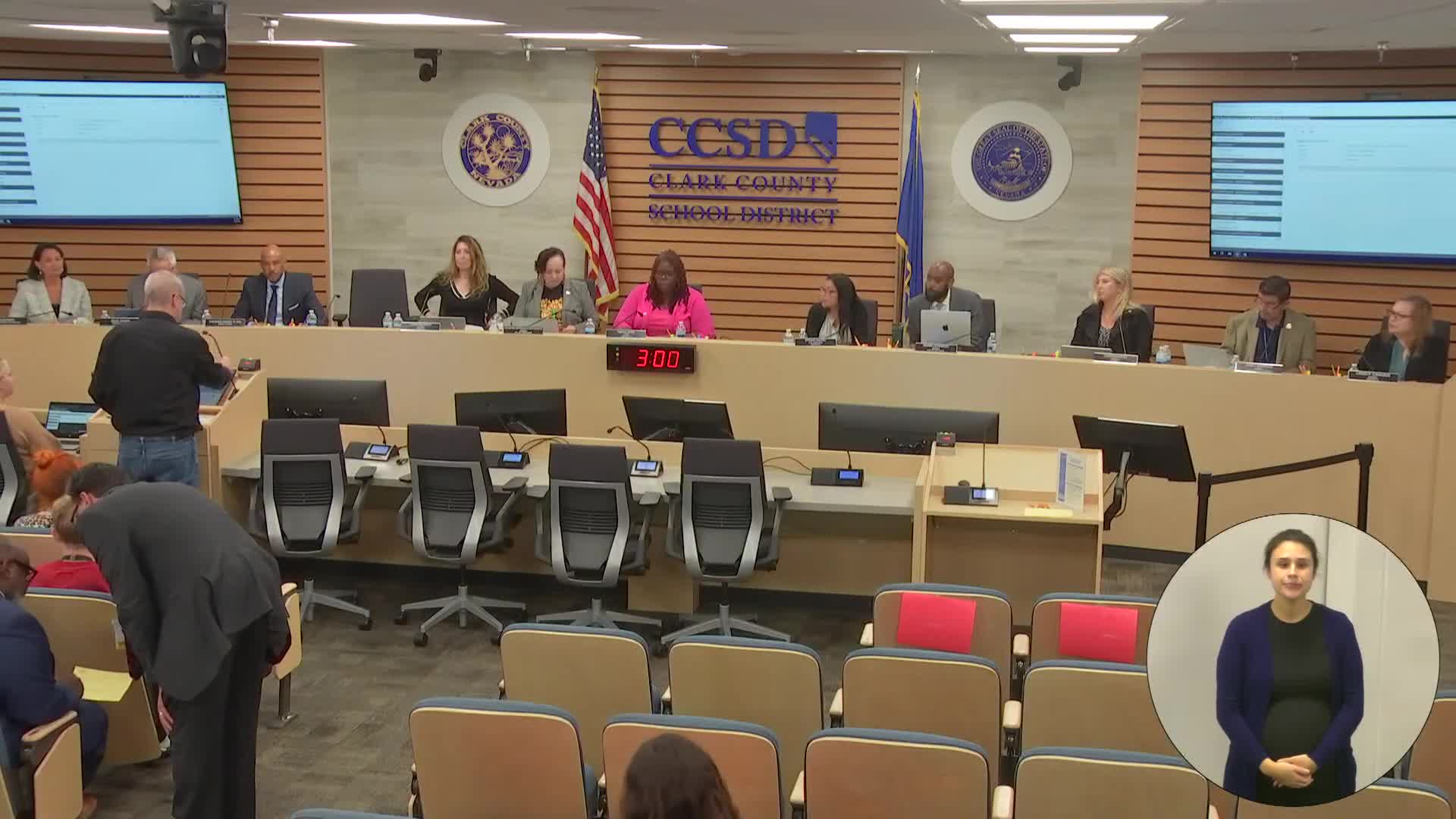
Summary
A public commenter urged trustees to reject the proposed employment agreement for a chief information officer unless contract language limiting unilateral pay increases by the superintendent is removed and called for pay-scale adjustments to address pay parity for current teachers.
During the meeting's public comment period, parent and community member Lenny Leifer addressed the board about two matters: teacher pay parity and a proposed employment agreement for the district—s chief information officer.
Leifer urged trustees to correct pay-scale disparities between long-serving teachers and recent hires, saying that district budget cuts had forced schools to eliminate positions while new hires are paid on an experience-and-education scale. He cited a district budget line he recalled "for $10,000,000 to fix that" but said it would be insufficient and urged more action on pay equity.
On the proposed chief information officer employment agreement, Leifer raised concern about contract language he said mirrors prior agreements that permitted the superintendent to grant large pay increases without board approval. He noted the published salary range in the packet (up to $215,000) and objected to language that he said would allow significant unilateral pay changes by the superintendent. Leifer said he believed a superintendent should be able to offer modest annual increases (he suggested up to 5%) but that substantial increases should require board approval, and he urged trustees to "vote no" on the contract as written if the clause remains.
Leifer said he reviewed the candidate's resume and believed the candidate seemed qualified, but took issue with the contract terms. The board did not take immediate action on that employment item during the public commenter—s remarks; the comment was entered as public feedback for trustees to consider.