Lifetime Citizen Portal Access — AI Briefings, Alerts & Unlimited Follows
Queer joy framed as resistance, healing at Columbus Metropolitan Club forum
Loading...
Summary
Panelists at a Columbus Metropolitan Club forum in downtown Columbus described queer joy as a form of political resistance, a path to healing and a community practice, and urged organizers to center trans people, older Black lesbians and other groups with limited access to queer spaces.
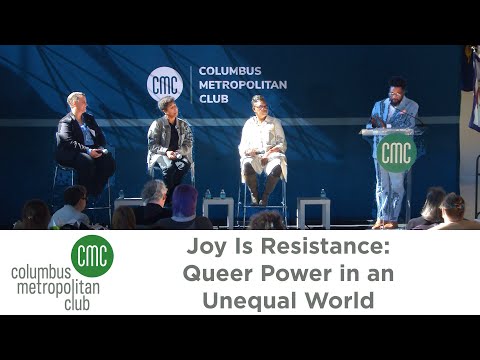
At a Columbus Metropolitan Club forum at the National Veterans Memorial and Museum in downtown Columbus, panelists said queer joy is both a personal practice and a political act in the face of growing anti-LGBTQ rhetoric.
"Queer joy, the radical act of celebrating identity, love, and community, is powerful and political," said Sofia Pfiffner, president and chief executive officer of the Columbus Metropolitan Club, as she introduced the Oct. forum supported by the Lynn Greer Legacy and Civic Engagement Fund and local sponsors.
Panelists — Dr. Melanie Korn, president of the Columbus College of Art and Design; Karen Hewitt, founder and principal consultant of Kay Hewitt Consulting and co‑founder of the Ohio Rest Collective; Dr. Karen Williams, founder and CEO of the International Institute of Humor and Healing Arts; and Ron Murray, CEO of Peace of Mind Incorporated and community engagement liaison for Stonewall Columbus — discussed how access to joy is shaped by race, class, gender and ability and why organizers should deliberately include groups who are frequently excluded.
"Joy is really self directed. You can bring out joy in really awful circumstances," said Dr. Melanie Korn, describing the difference she drew between happiness, which she said depends on circumstances, and joy, which she said can persist under oppression.
Panelists repeatedly named trans people as among those often left out of joyful public spaces and programming. The discussion also highlighted the invisibility of older Black lesbians and of Black gay men in some civic and cultural forums, with speakers urging hosts and organizers to create safer, more welcoming spaces and to pay or otherwise economically support artists and leaders from marginalized groups.
Karen Hewitt said organizers should look for places where communities intersect and make their spaces genuinely welcoming: "We have to make sure our spaces are open and inviting," she said, urging reciprocal respect when queer people enter other communities’ spaces.
The panel emphasized artistic expression, humor and storytelling as tools for sustaining queer joy and communal healing. Dr. Karen Williams described founding her institute during the height of the AIDS pandemic and recalled how comedy clubs and community activism helped people cope and raise funds when federal leadership was absent.
Melanie Korn noted the strong presence of LGBTQ students at art and design programs, saying Columbus College of Art and Design enrolls "a little under a thousand students and close to 60% of our students identify as part of the LGBTQ community," and framed campuses and arts venues as key sites where people "find their people." Panelists urged individuals and organizations to adopt everyday practices that protect joy, including self-care, creative practice, daily laughter and creating regular spaces for community and intergenerational connection.
Audience members took part in a question-and-answer session. Columbus City Council President Shannon Hart asked whether compartmentalization can help preserve joy; panelists replied that rigid compartmentalization can deepen divisions but that individuals should develop practices and trusted circles for processing anger and grief alongside joy.
Throughout the forum, speakers connected present-day struggles to the history of civil-rights activism and emphasized resilience as both a survival strategy and a source of hope. Panelists repeatedly framed joy as a collective practice that requires intentional inclusion and support for people who face the greatest barriers to participation.
Supporters of the event included Huckleberry House, Downtown Columbus Incorporated, the Center for Human Kindness at the Columbus Foundation and the Columbus Dispatch. The Columbus Metropolitan Club said it hosts weekly forums on public issues and invited attendees to future programs.
The panel produced no formal motions or decisions. The discussion identified priorities for organizers and allies — centering trans people, older Black lesbians and other underrepresented groups, and funding and producing community-rooted arts and humor programming — but did not direct city action or adopt any formal recommendations.