Get Full Government Meeting Transcripts, Videos, & Alerts Forever!
Get email alerts on the Land Use Pud topic
No spam. Unsubscribe anytime.
East Grand Rapids holds first review of amended Gaslight Village PUD; commissioners ask for more studies and conditions
Summary
City staff and consultants presented a concept-stage amendment to the long-running Gaslight Village planned unit development. Commissioners and residents pressed for more detailed traffic, stormwater and shadow studies before any final approval; staff said no final approvals would be sought tonight.
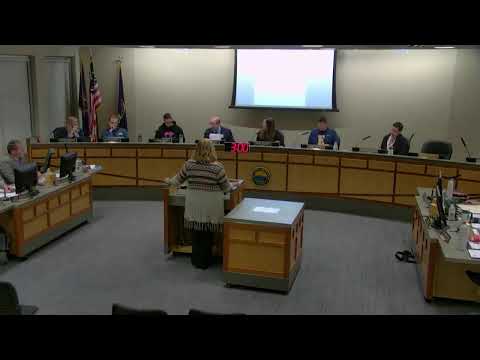
City officials on May 20 reviewed a proposed amendment to the Gaslight Village planned unit development at 2255 Wealthy Street and 515 Lakeside, detailing a revised concept plan and a long list of studies the city will require before any final approval.
The concept-stage review — presented by Zoning Administrator Giannotti and discussed by Attorney John Huff and traffic consultant Christopher Zoll — focused on whether the revised plan meets zoning standards and what additional technical work is needed before a final PUD agreement. Giannotti said staff and consultants believe the concept generally meets the zoning standards in sections 5.41 and 4.2 of the city zoning ordinance and the city’s 2018 master plan, but that a number of studies would be required at the final plan stage, including a comprehensive traffic/pedestrian/bicycle mobility study, delivery-truck analysis, stormwater and utility capacity studies, a shade study and a fiscal-impact analysis.
"We have sort of copied that in a summary form in the agenda," Giannotti said, describing the city’s concept-stage review and the standards of review. He added the only major deviations from the 2004 approval are building height and parking, and that the revised height is less than the original 2004 approval.
Traffic consultant Christopher Zoll told commissioners the latest trip-generation memo estimates roughly 7,500 daily trips for the entire PUD footprint, but that about 70% of those trips already occur because Buildings A and B are already operating. "The total new trips ... is approximately 2,200 trips a day," Zoll said, and he described the memo as the basis for a fuller traffic impact study (TIS) to be completed later.
Attorney John Huff outlined why staff drafted two separate documents: a short zoning ordinance amendment and a separate resolution that annotates how the concept plan would interact with existing PUD ordinance language. Huff said the final, highly detailed PUD agreement will be required by state law and will come later in the process. "How long is that gonna take? I would say it would probably take a minimum of six months," Huff said.
Commissioners and members of the public pressed for more clarity about timing and thresholds. Commissioner Skeggs said she wanted safeguards and said staff should be cautious; Commissioner Hunter asked whether the concept approval means commissioners are locked into square-footage or unit counts. Staff and Huff replied that concept approval does not constitute final approval and that final studies could lead to changes or even denial: if final studies identify unfixable defects the city could deny the final PUD.
Several residents urged the commission to require more detail and to make study thresholds explicit. Resident Betsy Anderson said residents are not being kept informed: "People have to intentionally check your website for any news," she said during public comment. Other speakers, including Joe Spalding, Tom Walker and a number of neighborhood residents, raised concerns about scale, density, parking and the need for a citywide vote.
Staff asked commissioners to submit any additional conditions they want included in the draft resolution by Wednesday so staff can incorporate them into the next revision. Giannotti said the planning commission’s listed conditions will be carried forward and expanded as needed, and he reiterated that the concept review is a kickoff to a more detailed final-review process.
Why it matters: The Gaslight Village site has been the subject of intermittent approvals and amendments since 2004. The current concept would change some building locations, heights and uses; commissioners stressed that tonight’s review was conceptual and that final approval will require extensive, project-specific analyses and further public review.
What’s next: Staff will compile commissioner-proposed conditions, discuss them with the applicant, and return with a revised draft ordinance/resolution and the required technical studies at future meetings. If a final traffic or utility study identifies issues that cannot be mitigated to staff satisfaction, the commission can deny final PUD approval.