Get Full Government Meeting Transcripts, Videos, & Alerts Forever!
Get email alerts on the Executive Session topic
No spam. Unsubscribe anytime.
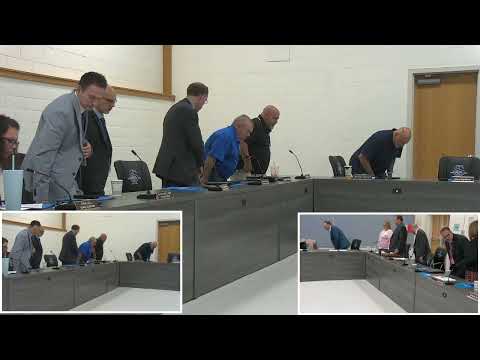
Sayreville Board of Education enters closed session to discuss personnel, Teamsters negotiations and student matters
Summary
At its Nov. 19 meeting the Sayreville Board of Education voted unanimously to go into executive session to discuss personnel matters, negotiations with the Teamsters, attorney‑client privileged matters and student issues under the Open Public Meetings Act.
The Sayreville Board of Education voted on Nov. 19 to enter an executive session to discuss personnel matters, negotiations with the Teamsters, attorney–client privileged matters and student matters, the board’s presiding officer said at the start of the meeting.
The closed‑session motion cited the Open Public Meetings Act (Chapter 231, Public Law 1975) and the presiding officer read a resolution saying, “The public shall be excluded from discussion of and action upon the here and after specified subject matters,” and that “This resolution shall take effect immediately.”
Board member Smith moved to go into closed session and Board member Pabon seconded the motion. The board then completed a roll‑call vote; all members present voted yes (Callahan, Esposito, Fernandez, Pabon, Pylock, Smith, Walsh and Bloom), and the presiding officer announced the meeting would move to closed session. The presiding officer also said the board had provided public notice of the meeting to the Home News Tribune and the Star‑Ledger, to the borough clerk, and by posting on the bulletin board outside the secretary’s office.
The resolution said it is anticipated the subject matter “shall be made public at such time as the need for nondisclosure no longer exists.” The transcript included no further public discussion of the substantive topics before the board moved into closed session.
The board’s action was procedural: it authorized a closed‑door discussion and did not record any formal decisions on the personnel, labor, attorney‑client or student items in the public portion of the meeting.