Get Full Government Meeting Transcripts, Videos, & Alerts Forever!
Get email alerts on the Judicial Appeal Coram Nobis topic
No spam. Unsubscribe anytime.
Appellate court hears appeal after victim recanted; state says appeal and petition untimely
Summary
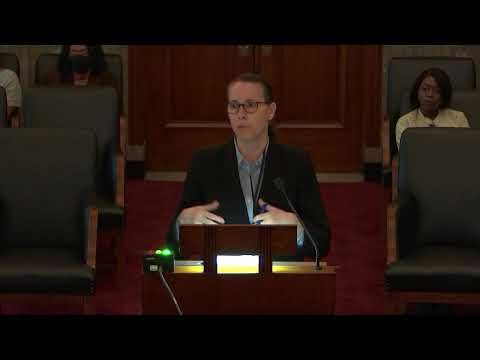
An appellate panel heard oral arguments on a petition to overturn a 2011 conviction after the alleged victim recanted, but the state urged the court to dismiss the appeal as untimely and said the recantation does not establish actual innocence.
An appellate panel heard oral arguments on a petition to overturn a 2011 conviction after the alleged victim recanted, but the state urged the court to dismiss the appeal as untimely and said the recantation does not establish actual innocence.
Cline Preston, counsel for the petitioner and appellant, told the court he represents “the petitioner and the appellant in this matter, mister Chroma.” Preston said the appellant already “served his time, both incarceration and then probation,” but continues to suffer because he remains on an offender registry and therefore is subject to ongoing punishment.
“Which I think is the overriding most important factor in this matter,” Preston said. He asked the court to use its equitable powers to extend the one-year statute of limitations so the case could be considered on the merits, arguing the ongoing placement on the registry created a continuing harm that distinguishes this case from others.
“...we have a continuing harm or continuing punishment to mister Chroma because he remains on this registry,” Preston said, asking the panel to “reverse the trial court” and find that the trial judge abused discretion by not applying equitable tolling.
The state, represented by Lacey Wilbur, told the court the appeal should be dismissed as untimely and that the underlying petition for a writ of error coram nobis lacks merit. Wilbur said the trial court denied the petition on statute-of-limitations grounds and entered an order on Aug. 19, 2024; the notice of appeal was not filed until Nov. 20, 2024.
Wilbur said the alleged recantation first appeared in an affidavit dated Feb. 2016, with a deposition taken in 2017 and another affidavit submitted in 2024. “So what we have here is the defendant just keeps getting the victim to file a new affidavit to try, but it's not newly discovered evidence because he knew back in 02/2016,” Wilbur said. She also referenced a prosecuting attorney's memorandum stating the victim told the prosecutor her trial testimony was true but that the ongoing consequences were too harsh.
The parties disputed whether the appellant has shown actual innocence and whether procedural deadlines were met. Preston asked the panel to treat the appellant’s continuing placement on the registry as a basis for equitable tolling; Wilbur replied that the record shows the recantation was known years earlier and that the petition and the notice of appeal were untimely.
The court did not rule at the hearing. The presiding judge said, “Both briefs are well written. We'll take this under advisement.” The panel then recessed for a brief break and said it would return for further business.
Background details from the record discussed at the hearing: the appellant was convicted of one count in February 2011, received a four-year sentence that included incarceration and probation, and the alleged victim submitted at least two affidavits (2016 and 2024) and a deposition in 2017 recanting trial testimony. The trial court denied the coram nobis petition as untimely on Aug. 19, 2024; a pro se filing by the defendant appeared between that order and the later notice of appeal filed Nov. 20, 2024. The petition seeks relief that could include reversal of the conviction and removal from the offender registry.
The court’s forthcoming decision will determine whether the appeal is procedurally barred or whether the panel will allow review of the merits given the parties' competing arguments about timeliness and actual innocence.