Lifetime Citizen Portal Access — AI Briefings, Alerts & Unlimited Follows
Peoria Dream Center says shelters over capacity; proposes day center, expanded noncongregate shelter and tiny‑home village
Loading...
Summary
At a Rock Island City Council study session, Christy Schoefeld of Dream Center Peoria described a surge in local homelessness, outlined a planned Compassion Hub day center, a conversion to noncongregate supportive shelter and a proposed Compassion Village tiny‑home project, and urged coordinated data and services across the Continuum of Care.
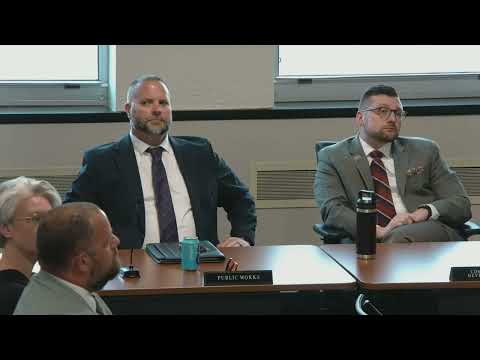
Christy Schoefeld of Dream Center Peoria told a Rock Island City Council study session that local shelter capacity has been exceeded and outlined a package of new services including a day center, expanded noncongregate shelter and a proposed tiny‑home village.
Schoefeld, a presenter for Dream Center Peoria, said the group’s shelter has a listed capacity of 125 but that “last night, we served a 190,” and described plans to open a Compassion Hub day center, convert upper‑floor units into noncongregate supportive shelter and locate a Compassion Village tiny‑home community for people who are difficult to place in traditional shelters.
The matter matters because local providers reported large nightly counts of people without stable housing, limited affordable housing stock and mounting demand for coordinated intake and case management. Schoefeld said the Dream Center intends to restore a local HMIS (Homeless Management Information System) data point and provide coordinated entry to reduce fragmentation in referrals and prioritize people for supportive housing.
Schoefeld described the Compassion Hub as a daytime, wraparound site open 7 a.m. to 7 p.m. where people can access mental health and substance‑use referrals, PATH outreach, medical and dental services, a notary for documents, and direct connections to shelter openings and housing placements. She said the day center will include office space for PATH and other providers, laundry and four showers, and will be co‑located with a commercial kitchen that can serve clients.
On shelter capacity, Schoefeld said Dream Center plans to convert space on the fifth, sixth and seventh floors of an existing building from supportive housing into noncongregate shelter units under a redevelopment arrangement with Phoenix Development Services. She described “21 apartments for 18 families and 6 singles” in the planned configuration and said the change would allow shelter capacity to expand to “up to 259 folks in shelter.”
Schoefeld presented Compassion Village as a tiny‑home model intended for people who are “vulnerable and not easily housed,” including those with what she called “RSO status,” and said the village design includes individual units with showers and laundry, a dog park and dense perimeter screening so the site does not appear out of place in a neighborhood. She said planners sought a site next to the Dream Center downtown but encountered local resistance and zoning issues and that the project had no confirmed location at the time of the presentation.
Dream Center also described a Safe Park proposal to provide a fenced, monitored lot for people living in vehicles. Schoefeld said vehicle residents often remain in cars because they have animals that shelters will not accept and that a monitored lot would provide a safer place to stay with services nearby.
Schoefeld outlined mobile services the Dream Center already offers, including a shower and laundry truck, a food truck and a mobile hair‑cutting unit staffed by volunteers from local cosmetology and barber schools. She said Project partners include PATH, Trillium Mental Health, Saint Francis (substance‑use services), Salvation Army and Prairie State Legal Services.
Schoefeld said the Dream Center and the city worked together on an emergency motel placement last winter, placing people in a motel from Jan. 22 to July 1 with funding routed through Arbor funds; she estimated total costs “probably $700,000 between everything.”
In public comment, Amanda Erwin described coordination efforts across the Continuum of Care (CoC) and urged better operational coordination and data sharing across providers in the Quad City area. Erwin said CoC partners are preparing for an anticipated increase in homelessness tied to federal benefit changes and described a proposed shared bed‑availability spreadsheet and other HMIS or roster tools so outreach workers and police can see openings quickly for winter shelter referrals.
Erwin said the State of Illinois is releasing capacity‑building funding for CoCs and that any state funds would be allocated across a 15‑county continuum rather than be Rock Island–specific. She also described an upcoming outreach networking meeting at the VA CRRC for street‑outreach workers and said agencies in Peoria, East Peoria, Tazewell, Fulton and Woodford counties meet frequently to reduce service gaps.
No formal council vote or motion was taken at the study session; the presentation was intended to inform council members and the public and to solicit questions. Schoefeld said Dream Center staff meet with city officials twice weekly and invited council members and staff to tour the Peoria facilities.
The Dream Center’s proposals retain several open items the presentation did not resolve: a confirmed site for Compassion Village, formal zoning or ordinance changes needed for a tiny‑home village, and the detailed funding plan for converting supportive housing units to noncongregate shelter. Schoefeld said those matters remain under discussion with the city and with partner agencies.