Lifetime Citizen Portal Access — AI Briefings, Alerts & Unlimited Follows
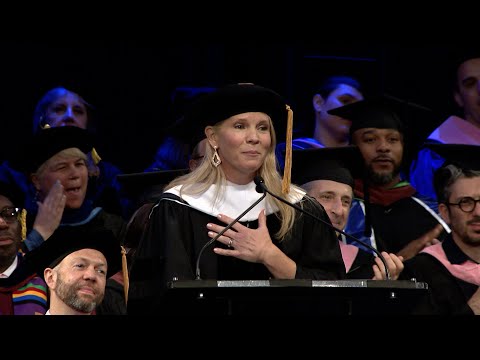
Guest speaker urges Berklee graduates to find an authentic artistic voice
Loading...
Summary
A guest commencement speaker at Berklee School of Music urged graduates to cultivate an authentic artistic voice, recounting a career from small-town beginnings to Broadway and advising collaboration, empathy and persistence.
The guest commencement speaker at Berklee School of Music urged the graduating class to pursue an “authentic voice” in their craft, recounting a career that ranged from small-town beginnings to Broadway and national tours.
The speaker told graduates that before art becomes a job or a commodity, it is “simply just the thing you will love,” and urged them to preserve the aspects of their work that make them unique. “Don’t waste any time trying to be like anybody but yourself,” the speaker quoted another artist as saying.
Why it matters: The address framed artistic careers as long-term projects in which resilience, self-knowledge and collaboration matter more than immediate commercial success. That message was given to the ceremony’s graduates as they prepared to enter professional and creative fields where adaptation and personal voice affect employability and artistic fulfillment.
In the address, the speaker described growing up on a farm with limited access to conservatories and Broadway, then imagining and pursuing a theatrical career without early exposure to industry life. The speaker recounted early struggles in New York, doing a 14-month national tour of Jekyll and Hyde, later returning to Broadway as a replacement and confronting periods of professional uncertainty.
The speech credited specific collaborators and composers for shaping the speaker’s voice. The speaker said they met composer Adam Guettel during a workshop and later performed his music, and named other writers including Ricky Ian Gordon, Scott Frankel, Jason Robert Brown and Kevin Puts as artists who wrote for the speaker’s voice. The speaker said those collaborations helped them “feel whole and found.”
Advice to graduates focused on two themes: cultivate your distinctive artistic identity and seek collaborators who expand—not erase—what makes you unique. The speaker advised graduates to “find some trusted collaborators and build a world for yourself” and to “go toward the pain” while asking difficult questions.
The speaker framed artists as civic actors, saying artists “wear empathy like a badge” and have a responsibility to “fight for humanity” by telling stories of people who lack platforms. The concluding remarks urged graduates to “spread the joy and the hope” and to change the world through their work.
Direct quotes in this article are taken from the speaker’s prepared remarks at the ceremony.