
Wilmington clinicians: design workplaces to support neurodivergent staff
Get AI-powered insights, summaries, and transcripts
Subscribe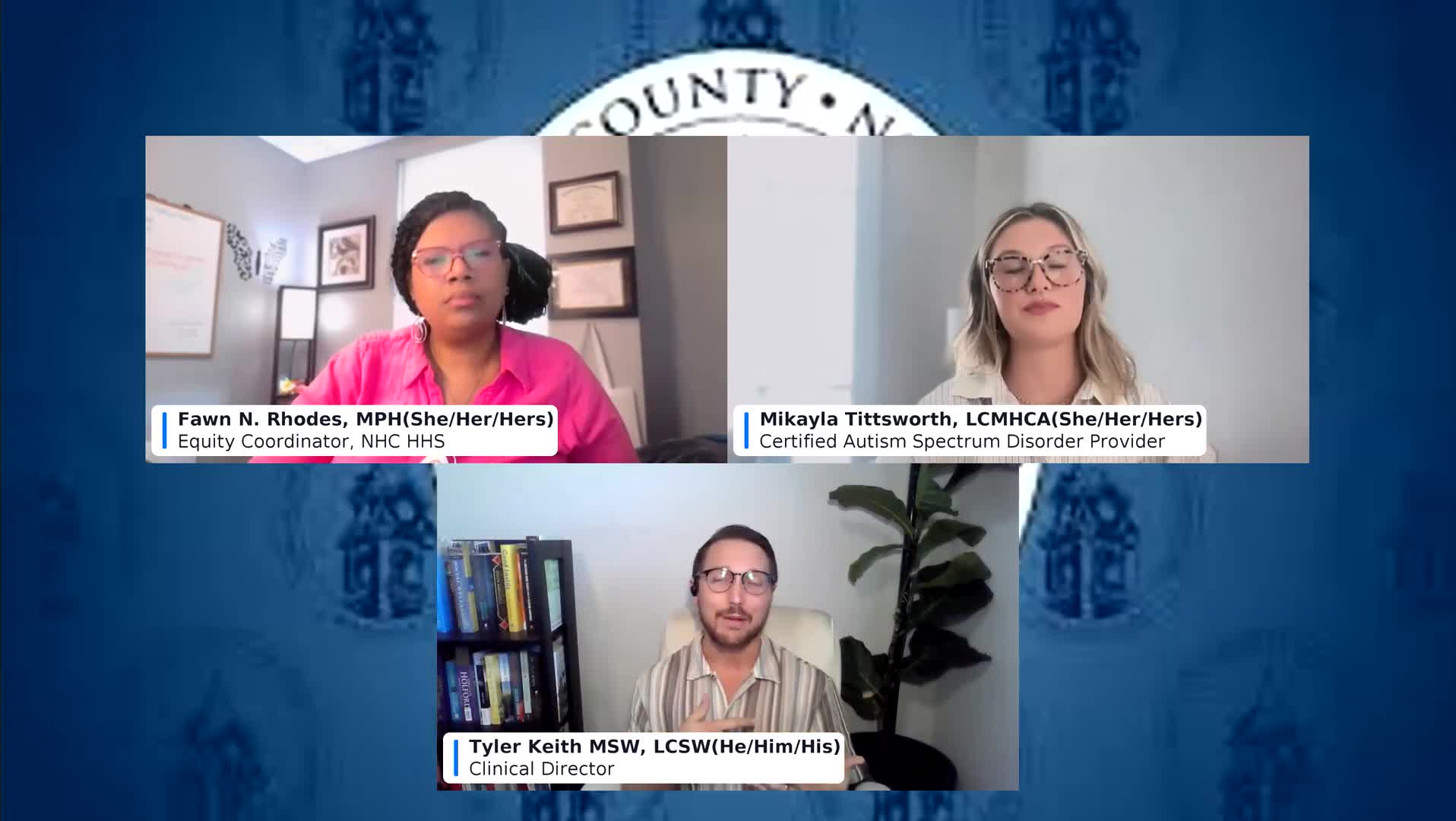
Summary
Clinicians from Clarity Counseling Center told a Zoom audience that employers can increase performance and inclusion by designing predictable processes, offering proactive accommodations and using simple tools such as one‑page “how I work” guides.
Clinicians from Clarity Counseling Center urged employers at a recent The Common Thread webinar on Zoom to design workplaces that accommodate neurodivergent employees so they can contribute their strengths without stigma.
The topic mattered, the speakers said, because many adults are neurodivergent and simple workplace changes can both improve individual dignity and raise team performance. “We will be exploring and unpacking wired for brilliance, embracing neurodivergence is, as a catalyst for innovation and inclusion,” the webinar host said.
Mikayla Titsworth, a clinician with Clarity Counseling Center, framed neurodivergence as “a broad range of variations in the brain function, cognitive processes, anything that is difficult or strays from neurotypical,” and noted that many people in a workplace may be neurodivergent without knowing it. Titsworth cited a statistic discussed during the program: “most recent, 1 in 45 adults are neurodivergent.”
Tyler Keith, clinical director at Clarity Counseling Center, described practical, low‑cost steps managers can take. “You don't have to be a therapist to provide curiosity or to provide accommodation, to someone and how they function in an environment,” Keith said, recommending that supervisors ask new hires how they prefer to receive information (written or verbal), how much autonomy they want, and how they best learn tasks.
Speakers identified common barriers: vague or unwritten expectations; overstimulating open offices; rigid scheduling; and the fear of stigma that leads many employees to choose not to disclose disabilities. They said these barriers can be addressed through predictability and proactive supports rather than ad hoc accommodations.
Practical recommendations from the webinar included: - A one‑page “how to work with me” manual for every team member describing learning preferences, communication style and sensory needs. - Proactive, predictable onboarding steps (timelines, shadowing, written checklists) and offering common tools (planners, timers, quieter workspaces) without waiting for formal accommodation requests. - Reframing accountability to measure the work’s true priorities (the speakers used the metaphor of “glass balls and rubber balls”) so managers protect critical outcomes while allowing flexibility on less essential tasks.
Speakers also suggested small physical changes that benefit many employees: quieter spaces, standing desks, and better signage for expectations. Keith added that implementing such changes broadly reduces the need for vulnerable disclosures and benefits neurotypical staff as well.
Clarity Counseling Center staff emphasized the emotional cost of stigma: many high‑performing employees who are neurodivergent cope privately and experience shame or burnout. The clinicians encouraged managers to use curiosity and kind interpretation in difficult conversations (for example, asking “I notice you seem tense when we discuss X — am I off base?”) rather than assuming willful noncompliance.
Clarity Counseling Center said it accepts some employer insurance plans and provides telehealth across the state. The clinicians closed by urging leaders to measure inclusion efforts as part of performance work and to rethink processes now being redesigned for remote or hybrid work so they work for a wider range of brains.
Clarity Counseling Center contact information provided during the webinar: (910) 240-2489; office near the Military Cutoff Road above PT's Grill in Wilmington; telehealth services available statewide.