Candidates highlight housing shortage; commissioners cite RHID, MIH projects and 853 units in design phase
Loading...
Summary
At a Garden City forum, candidates said affordable housing is the city's top infrastructure need and described tools like rural housing incentive districts and moderate-income housing efforts, naming recent and proposed developments.
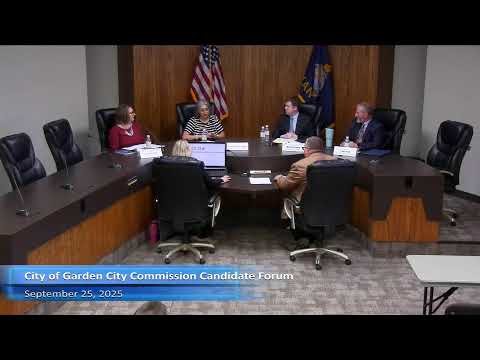
Garden City candidates at a Sept. 25 forum said affordable housing is the city's most pressing need and described a mix of public incentives and private development that officials hope will produce hundreds of new units.
The case for action: "I think affordable housing is probably our number one need in Garden City at this time," said Bryce Landgraf, a sitting commissioner. Candidates and incumbents noted a commission goal to add 3,000 housing units by 2030 and cited a slate of developments that city officials are advancing to reach that target.
Developments and programs named: Candidates referenced Sand Sage Square phase 1 (described as 48 units), a Petra development application (described as 40 units submitted for MIH and K H ITC programs), Zimmerman properties (described as 48 units), and a larger pipeline figure: "there's 853 units in the design phase right now in Garden City," Landgraf said. Troy Unruh and other speakers said the commission has used Rural Housing Incentive Districts (RHIDs), moderate-income housing (MIH) programs, ARPA funds and state tax-credit programs to attract developers.
Why it matters: Candidates linked more housing to keeping employers and workers in town and to growing the city's tax base without increasing the mill levy. "By bringing in businesses, by increasing housing, all of that increases that tax base," said Deb Euler, who served on the commission from 2020 to 2024.
Discussion vs. action: Candidates described past and ongoing commission actions to authorize RHIDs and to apply for state and federal housing programs; specific vote tallies were not given at the forum. Several candidates emphasized a need to include diverse housing types—starter homes, apartments and townhomes—so supply matches workforce demand.
Next steps and constraints: Candidates said the commission must coordinate with other local taxing entities when approving RHIDs, because those entities vote on RHIDs as part of the approval process. Landgraf and others noted that developers bear much of the upfront risk for housing projects and that incentives are one way to reduce costs for builders and residents.