Get Full Government Meeting Transcripts, Videos, & Alerts Forever!
Get email alerts on the Budget topic
No spam. Unsubscribe anytime.
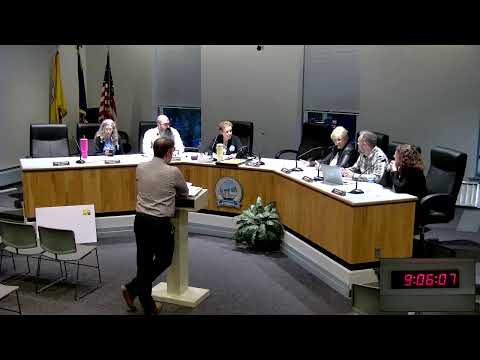
Lapeer City Commission adopts 2025–26 budget after debate over TIFAs, parks and rec funding
Summary
The Lapeer City Commission on May 19 adopted its fiscal year 2025–26 budget and related component-unit budgets after discussion about reliance on Tax Increment Financing districts, parks funding, recreation fees and the city's use of fund balance.
The Lapeer City Commission adopted the fiscal year 2025–26 budget on May 19, approving appropriations for the general fund and the first year of a six-year capital improvement program. Commissioner Michael Swindell made the motion, which was supported by Commissioner Atwood; the final roll call recorded votes as Commissioner Brady: yes; Commissioner Glisman: yes; Commissioner Petrie: no; Commissioner Swindell: yes; Commissioner Atwood: yes.
The discussion that preceded the vote focused on long-term planning for the city's Tax Increment Financing authorities (TIFAs), how the city pays for parks and recreation, and several procedural clarifications about budget terminology. Commissioner Brady urged the commission to start formal work on TIFA sunsets and succession planning, saying the city is "really reliant on the TIFAs" and noting that several TIFAs are scheduled to sunset in 2028 and 2032. He also flagged concern about adding a full-time recreation position without a dedicated funding source.
Brady pressed for "some long term financial planning with, with the TIFA," and for the commission to direct staff to develop a plan for either gracefully sunsetting the TIFAs or pursuing purposeful extensions. He also asked for a final special-assessment policy to be completed soon and said the parks department needs sustainable funding that does not rely entirely on general fund transfers.
Commissioners and staff discussed the recreation fee schedule adopted as part of the meeting packet. Commissioner Brady cited staff estimates that adding a full-time recreation position would cost "about $51,000 a year when you add in the benefits," and said a substantial share of program participants at outdoor fields are nonresidents. He proposed charging a higher fee for nonresidents to make participation costs more equitable for city taxpayers.
City Manager Womack and finance staff responded that fee-setting can be revisited midyear and is not limited to the annual budgeting cycle. A finance staff member clarified that the budget is balanced using fund balance (reserves), and quoted the Uniform Budgeting and Accounting Act to distinguish balanced use of reserves from a statutory "deficit."
The meeting also included approval of component-unit budgets (local development finance authority, Brownfield redevelopment authority, TIFA 1–3, TIFA trust, economic development corporation) and current-year amendments. Commissioners asked for more training and clearer strategic goals for boards that oversee TIFAs, and staff said department heads would continue coordinating with the boards to align projects with available revenues.
Other related actions carried during the meeting included adding delinquent 2017 special assessments to the 2025 summer tax roll and routine bill listings included on the consent agenda.
Why it matters: TIFAs and the budget drive capital projects and downtown development; decisions about where to rely on TIF revenues versus ongoing city revenue sources affect property taxpayers, service levels for parks and recreation, and the city's longer-term capital planning.
Looking ahead, commissioners requested formal direction for staff to inventory TIFA timelines and options for sunset or extension, to finalize a special-assessment policy, and to return with proposals that address parks funding and potential rate adjustments for nonresident recreation users.