
Texas Senate passes bill targeting distribution of abortion drugs after hours of debate
Get AI-powered insights, summaries, and transcripts
Subscribe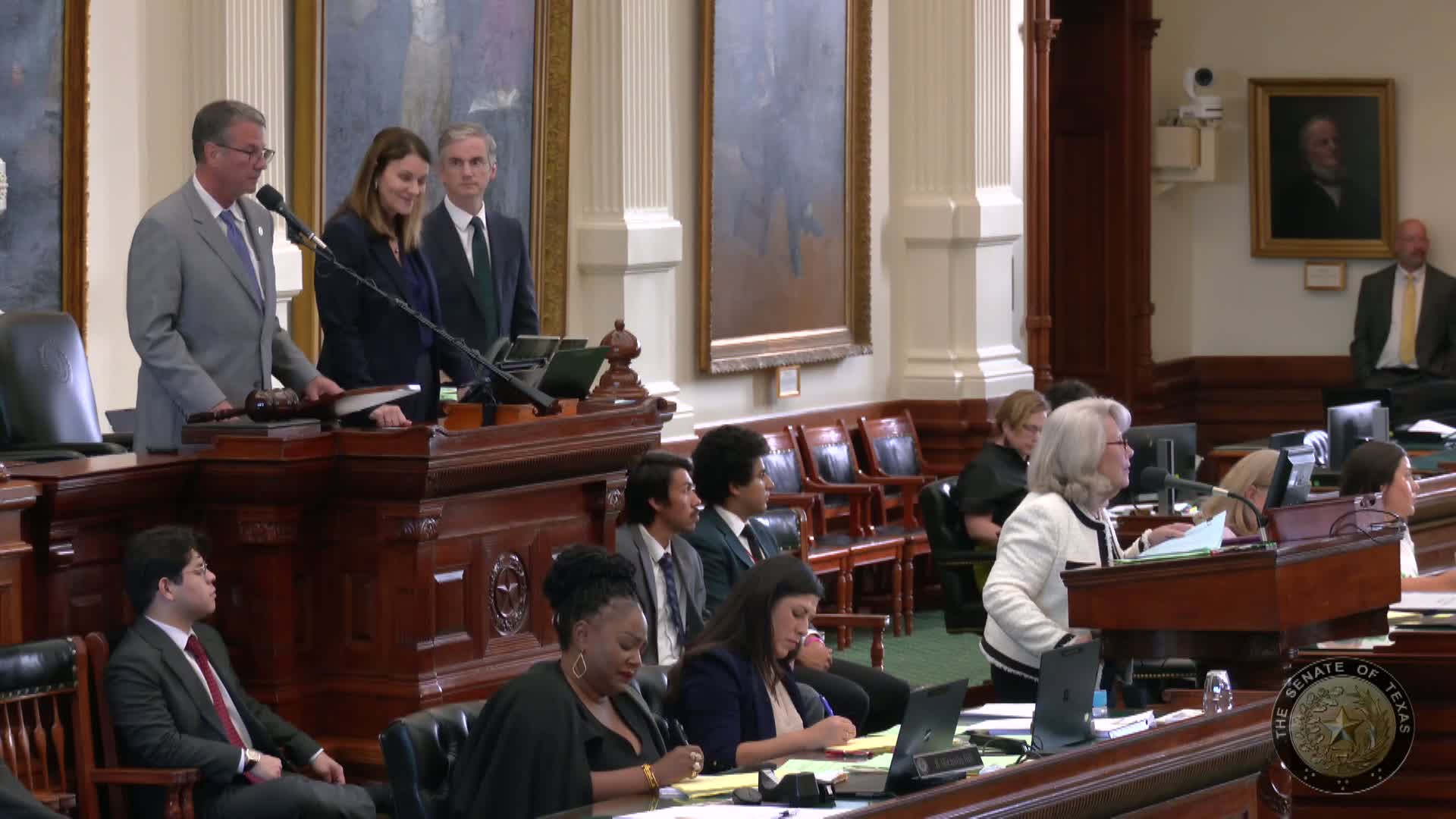
Summary
The Texas Senate voted to pass House Bill 7, known in the chamber as the Woman and Child Protection Act, after extended floor debate that included emotional testimony and constitutional arguments.
The Texas Senate voted to pass House Bill 7, known in the chamber as the Woman and Child Protection Act, after extended floor debate that included emotional testimony and constitutional arguments. Senator Hughes moved final passage; the tally was 17 yeas, 8 nays and 1 present, not voting.
Opponents said the bill would hinder access to standard medications used for miscarriage and postpartum care and create extraterritorial liability. "This bill is called the Woman and Child Protection Act. But make no mistake, this bill does not protect women, children, or families," Senator Alvarado said during floor remarks. "It deputizes Texans as bounty hunters."
Proponents framed the measure as accountability for manufacturers, distributors and others who send abortion-inducing drugs into Texas. "You manufacture and ship poisonous illegal drugs into Texas and people are harmed, you will be held accountable," Senator Hughes said on the floor, arguing the bill preserves existing exceptions for emergencies and does not criminalize pregnant patients.
Why it matters: The measure addresses access to mifepristone and misoprostol, medications that speakers described both as medically indicated for miscarriages and postpartum care and as drugs whose out‑of‑state distribution they want subject to civil suit in Texas courts. Opponents warned the private right of action and potential damages could chill pharmacies, providers and donors and generate interstate legal conflicts.
Key details and arguments
- Scope and name: The Senate read the caption for House Bill 7 as relating "to prohibitions on the manufacture and provision of abortion inducing drugs." Supporters called it the "Woman and Child Protection Act."
- Enforcement mechanism and extraterritoriality: Senator Johnson and others argued the bill's private‑right‑of‑action and broad jurisdictional language create extraterritorial effects and raise constitutional questions, citing prior court opinions and interstate commerce concerns. "It violates extraterritorial by having an extraterritorial regulatory effect," Johnson said, referencing court rulings in other cases.
- Medical exceptions: Multiple senators pressed whether the measure preserves emergency and medical exceptions. Senator Hughes said the bill was drafted to avoid undermining the emergency protections enacted in prior legislation (he referenced Senate Bill 31). He also told the Senate the bill protects mothers from criminal liability and contains provisions to safeguard a patient's identity when litigation occurs.
- Personal testimonies: Several senators read or described firsthand accounts from women who said access to these medicines was critical during miscarriages and postpartum emergencies, and some recounted traumatic personal histories to make their case. "She begged for help... Her surgery was delayed," Senator Alvarado recounted of a constituent who faced delays obtaining medication.
- Data and safety claims: Supporters cited FDA approval history and referenced data claiming adverse events in a subset of prescriptions. Opponents and several senators urged caution about relying on selective studies and warned of chilling effects on care.
Formal action
- Motion: Senator Hughes moved final passage of House Bill 7. - Vote: The Senate recorded 17 yeas, 8 nays and 1 present not voting; the bill "is finally passed." The transcript records the motion as adopted.
What the transcript does not show
- The final enrolled text of the bill as passed was not included in the floor excerpts provided; specific statutory language, the exact private‑right‑of‑action text, damage amounts or procedural details in the enacted bill are not printed in the transcript segments included here.
Ending: The Senate completed third reading and final passage of House Bill 7 on the floor during this sitting; opponents indicated intent to challenge the policy and its constitutionality in future proceedings.