
Senate approves ban on taxpayer-funded lobbying after wide floor debate over local voice and transparency
Get AI-powered insights, summaries, and transcripts
Subscribe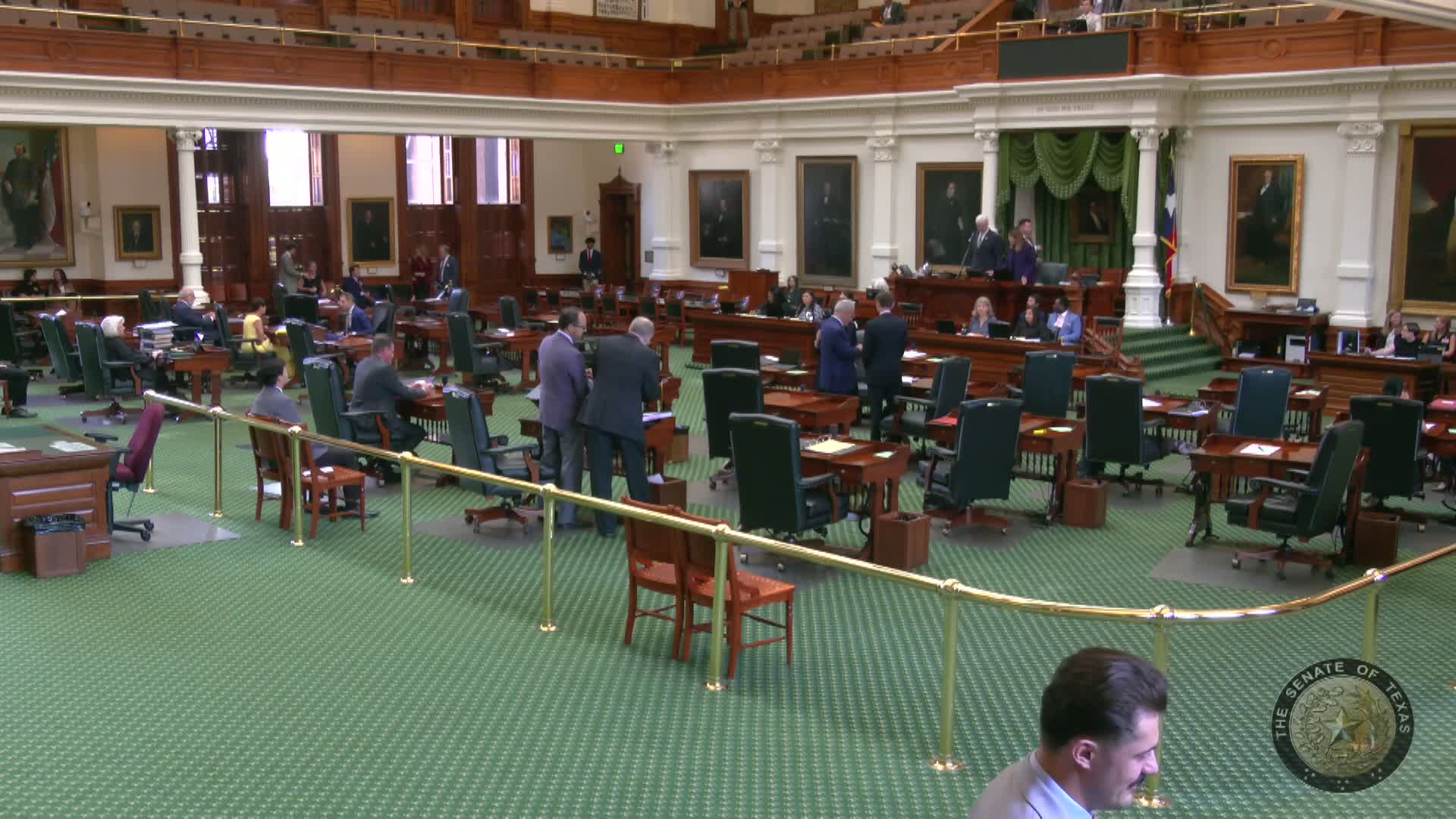
Summary
The Senate passed Senate Bill 12, which restricts use of public funds to pay for lobbying by political subdivisions and certain associations; proponents said the measure protects taxpayers, opponents said it would silence small local governments and hamper advocacy for rural communities.
The Texas Senate approved Senate Bill 12 on final passage after extended floor debate that split lawmakers across philosophical and practical lines. Proponents described the bill as a transparency and taxpayer-protection measure; opponents said it would silence small cities, counties and school districts that rely on associations and contracted lobbyists to represent their interests in Austin.
Senator Zaffirini argued that the bill would deprive local governments — especially small and rural jurisdictions — of the most accessible way to engage the Legislature and help protect local constituents’ interests. She cited opposition from statewide organizations including the Texas Municipal League and the Texas Association of Counties and noted examples of local officials who told the State Affairs Committee the ban would harm their ability to respond to state policy and unfunded mandates.
Supporters framed the bill differently. Senator Hall and other proponents said taxpayer-funded lobbying is sometimes used to oppose legislation the Legislature has passed and that curbing the practice protects conservative policy priorities and taxpayers’ dollars. "Taxpayer-funded lobbyists have lobbied against election integrity," one senator said, arguing the practice uses public funds to pay lobbyists who work against the will of voters.
Opponents warned the bill uses a blunt instrument that favors private interests and well-resourced actors while silencing financially strapped local governments that rely on associations to provide policy analysis, monitoring and representation. Senator Menendez and others recounted recent testimony from rural county judges and elected local officials who said their communities depend on pooled resources to participate in the legislative process.
After debate the Senate moved final passage; the transcript records vigorous floor debate and the bill’s passage but does not include a clear, unambiguous roll-call tally in the segment of the transcript provided to this report.