
Lawmakers debate statewide expenditure limits for local governments as hospital, school and county leaders warn of harms
Get AI-powered insights, summaries, and transcripts
Subscribe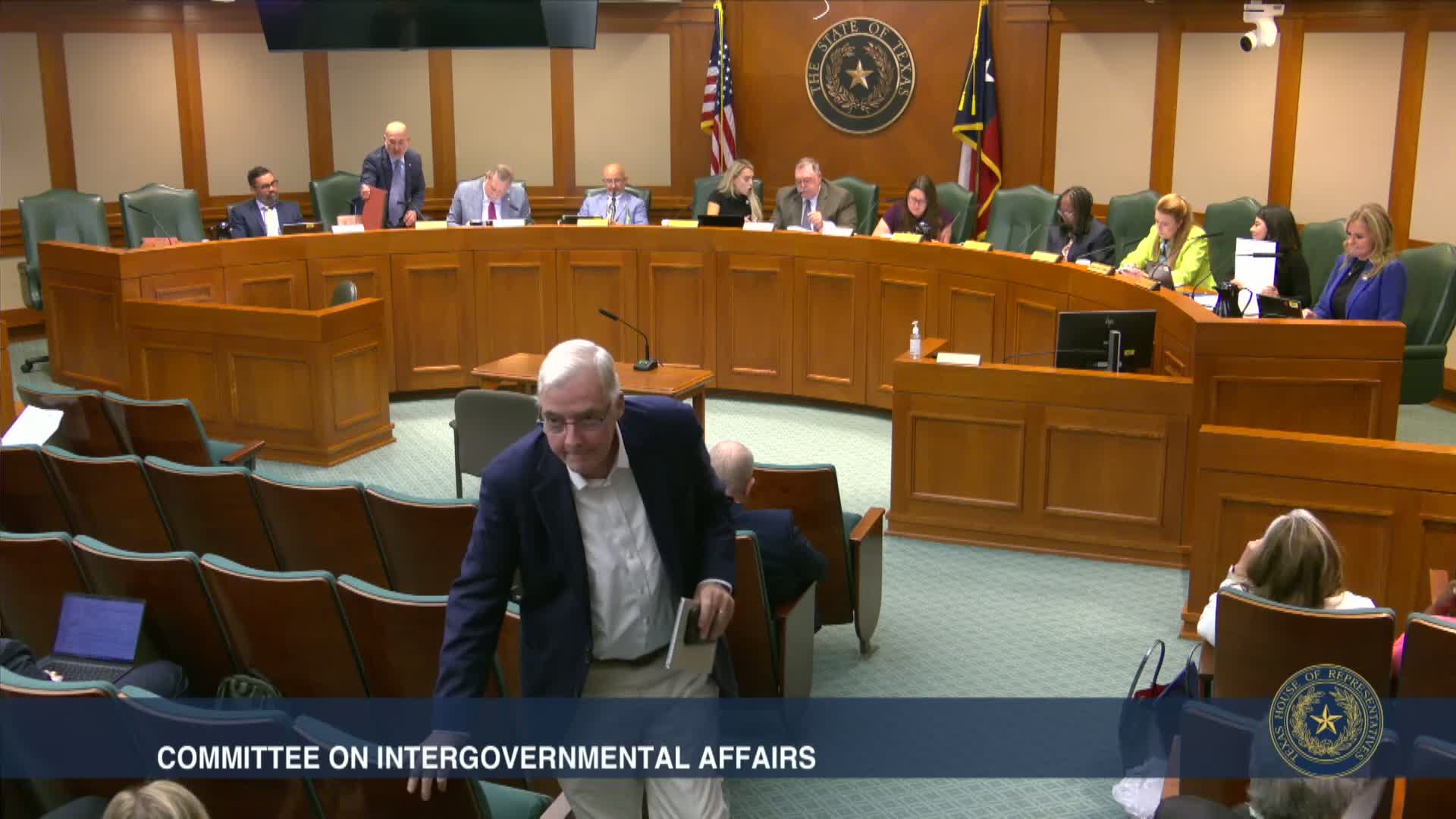
Summary
Committee hearings on proposals to cap political‑subdivision spending drew wide testimony from hospitals, school officials, cities and counties, with opponents warning that uniform caps tied to population and CPI could force service cuts, delay recovery and shift costs to state general revenues.
Two companion proposals to limit how much cities, counties and other political subdivisions can spend drew some of the longest testimony of the hearing day, as health systems, school boards, cities and county officials urged lawmakers to reconsider or refine the proposals.
House Bill 46 (Rep. Tepper) and House Bill 73 (Chair Bell) would each restrict expenditure growth, generally tying allowable increases to population growth and inflation. Bills would allow voters to approve excess spending and would provide limited disaster exceptions; HB46 as filed would also empower the attorney general to enforce compliance.
Hospital leaders testified that health care costs and utilization rise faster than CPI and that the bills, if enacted as written, would constrain hospitals that provide emergency, trauma, behavioral health and indigent care. Fred Cerise, CEO of Parkland Health, said health‑care spending commonly grows 6–8% a year—driven by drug prices, workforce and utilization—and noted that local transfers (intergovernmental transfers, IGTs) help draw federal Medicaid funds: “In 2024, local governments transferred $7.6 billion to the state that supported $19.2 billion in reimbursement,” testified Steve Wallop of the Texas Hospital Association. Parkland’s CEO said the hospital treats hundreds of patients daily and that capping expenditures could force service reductions, longer emergency‑department waits and a loss of trainees.
Teaching hospitals, hospital associations and county hospital districts said caps that do not exempt intergovernmental transfers or federally matched programs could shift costs to state general revenue, imperiling rural hospitals and behavioral‑health investments. Maureen Milligan of Teaching Hospitals of Texas told the committee the proposal would “undermine critical components of Texas' health care infrastructure” and could impede training and research.
School officials warned caps would collide with state mandates. Kelly Rosti of the Texas Association of School Boards said a cap tied to population is a poor fit for school finances, which are driven by student attendance and state funding formulas; districts could be forced into costly elections to comply with new, inflexible expenditure limits after the state requires additional spending.
County and city officials said the bills would blunt local flexibility to respond to disasters, manage large infrastructure projects and keep pace with rapid growth. Adam Haines of the Conference of Urban Counties said limiting expenditures would force counties to pay more through property taxes or cut services, and he urged clearer exemptions for enterprise funds, federally funded projects and disaster recovery. Several city finance officials and municipal industry groups said enterprise funds for airports, utilities and convention centers operate like businesses and should not be subject to the same caps.
Proponents of the measures argued the bills address long‑running concerns about accelerating local spending, hold local governments accountable and require clearer, consistent taxpayer reporting. Andrew McVey of Texans for Fiscal Responsibility pushed for uniform calculations and an enforcement mechanism. Representative Tepper said he is open to exemptions, including disaster language, and wanted to preserve the state’s fiscal framework for taxpayers.
Committee action: both HB46 and HB73 were laid out and left pending; lawmakers and stakeholders signaled ongoing negotiations on exemptions (enterprise funds, grants, intergovernmental transfers) and on which inflation/population metrics should be used.
Why it matters: caps would reshape long‑term local finance decisions about bonds, pay‑as‑you‑go capital, and the mix of services cities and counties provide. Hospitals and schools warned caps could trigger service cuts, expensive elections or weakened ability to draw federal funds; counties and cities warned about constrained disaster response and deferred maintenance.
What’s next: authors and stakeholders signaled they will continue to negotiate language for exemptions and fiscal tests before any floor votes. Lawmakers said they intend to work quickly during the special session to resolve threshold and exemption issues.