
House passes HB 15 to standardize police personnel/department files and limit public disclosure of certain non‑disciplinary records
Get AI-powered insights, summaries, and transcripts
Subscribe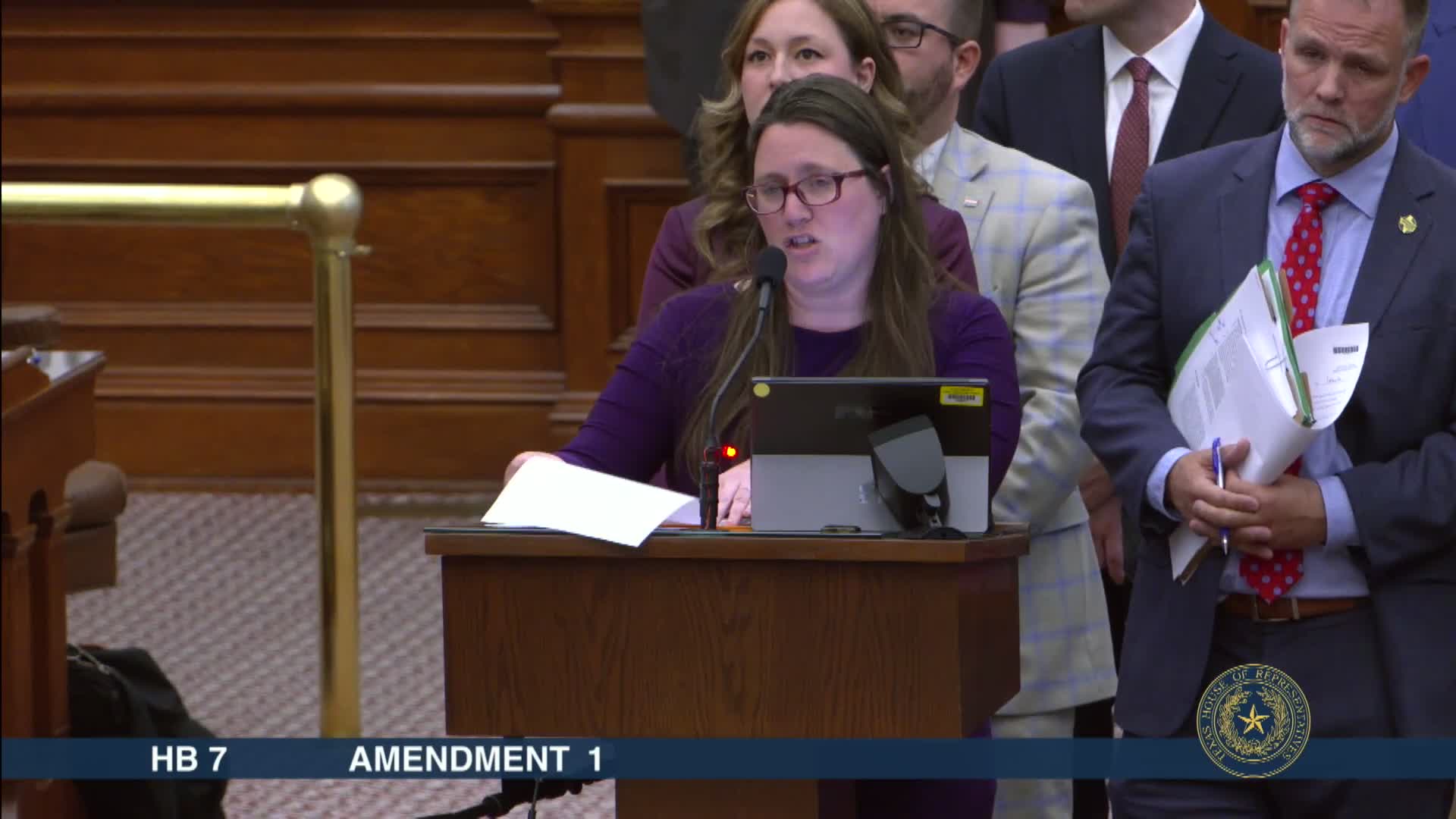
Summary
Lawmakers approved House Bill 15, which codifies a model records policy for law enforcement personnel and department files, narrows public disclosure of unsubstantiated personnel records, and preserves disclosure channels used in criminal prosecution and statutory discovery. Supporters said the bill protects officers from misuse of raw background
The Texas House passed House Bill 15, a bill to standardize how law enforcement agencies maintain and disclose personnel and department files. Supporters said the measure adopts a statewide model designed to protect officers from release of non‑disciplinary personnel records while keeping evidence and records needed for prosecutions and civil discovery accessible.
Representative Heffner, the bill sponsor, said HB 15 codifies a model personnel/department file policy developed for uniformity across agencies and mirrors protections in chapter 143 for civil‑service jurisdictions. "This policy has been used by DPS for decades," he said on the floor, adding the bill does not obstruct access to body‑worn camera footage, dash‑cam evidence, or investigative material needed in prosecutions.
Backers told the House that without consistent rules, unsubstantiated complaints, background checks and other sensitive materials can circulate publicly and be used for harassment or to damage officers’ careers. The bill continues to allow disclosure of records subject to prosecutorial or court discovery (for example under the Michael Morton Act) and preserves victims’ and families’ entitlement to requested records under those statutes.
Critics pressed for protections for families seeking answers after high‑profile tragedies. Representative McLaughlin offered an amendment to allow complainants, officers and families to view certain records after agencies complete investigations; the House rejected the motion to table and adopted McLaughlin’s amendment to guarantee limited viewing rights with strict prohibitions on copying or redistribution. Representative Heffner said agency-held criminal‑evidence footage and other materials used in prosecution remain disclosable under existing criminal procedure rules.
On final passage, members voted 90–41 to approve HB 15. Lawmakers said the bill aims to balance transparency and officer privacy; opponents said the measure could shield agencies from scrutiny and must be accompanied by clear pathways for accountability in cases of serious misconduct. The bill passed with floor amendments designed to preserve access for victims’ families and for law enforcement prosecutions.