
Texas House passes bill requiring mailed notice before local tax-rate hearings
Get AI-powered insights, summaries, and transcripts
Subscribe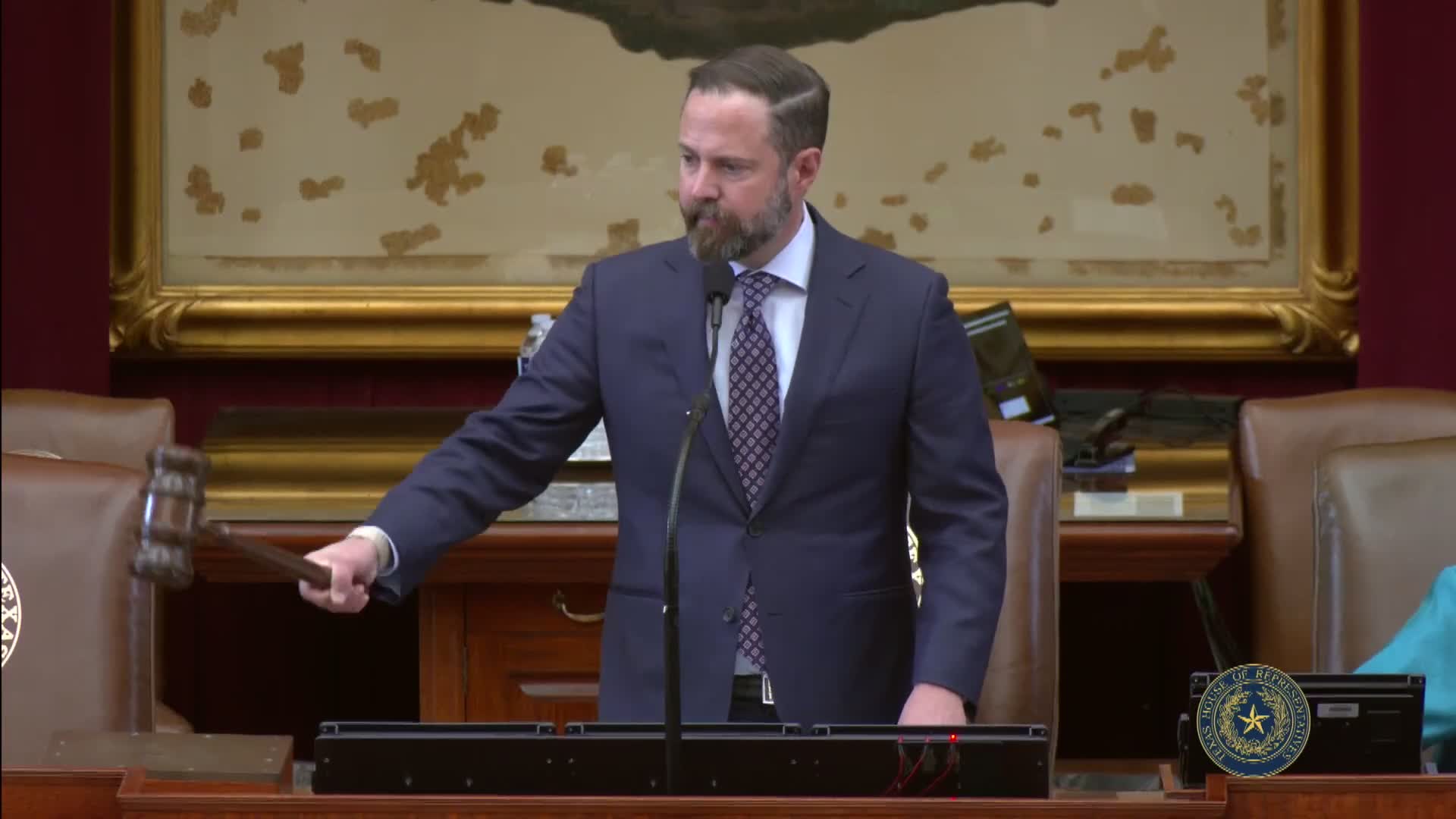
Summary
During the second called special session the Texas House passed House Bill 17, which requires taxing units to mail a clear notice to property owners before tax-rate hearings and to include year-over-year levy and context figures; lawmakers debated cost and whether the measure creates an unfunded mandate for school districts.
The Texas House passed House Bill 17 during the second called special session, requiring taxing entities to mail a notice to every property owner prior to any tax-rate hearing and to include comparative information about last year’s and proposed tax levies.
Supporters said the measure is intended to increase transparency and public participation in rate-setting. “House Bill 17 is about transparency, accountability, and empowering taxpayers in the property tax rate setting process,” Representative Meyer said while laying out the bill on the House floor. The bill requires mailed notices while still allowing newspapers and websites to be used as supplemental notices.
The bill directs taxing units to include on the mailed notice: the amount proposed to be collected this year versus last year, the percentage change, population growth and inflation figures (with independent school districts using enrollment instead of population), and a comparison showing what the levy would be if the rate only kept pace with population and inflation. The author argued that those figures let property owners judge whether proposed increases are reasonable and encourage attendance at rate hearings.
Debate focused on costs and the bill’s effect on school districts. Lawmakers raised that the requirement to mail notices annually could mean multiple mailings to a single property owner (one for each taxing entity) and increase local printing and postage costs. One member said a medium-size school district estimated the new requirement would cost “over $30,000 a year” for printing and postage. Representative Bernal offered an amendment to exempt schools and school districts, arguing the bill as drafted creates “an unfunded mandate,” because the most recent school finance legislation did not include a funding source for this mailing requirement.
The Bernal amendment failed on a recorded vote (56 ayes, 84 nays). The House then advanced HB 17 to engrossment on a recorded vote (85 ayes, 55 nays) and later gave final passage during the special session (final roll indicated the bill passed). Debate on the floor underscored that the bill contains no reimbursement or appropriation to offset the compliance costs for local taxing units.
Discussion vs. formal action: lawmakers repeatedly characterized the bill as a transparency measure and questioned operational impacts on local governments and ISDs. The only formal actions recorded in the transcript were the failed Bernal amendment and the bill’s passage votes noted above.
Supporters said the mailing requirement will boost participation in locally held tax-rate hearings by placing notice directly into the hands of property owners. Opponents warned of new costs for local governments and schools because the bill requires a separate mailed notice from each taxing authority and contains no funding to reimburse local governments.
The bill now proceeds under the legislature’s process after House passage.