Lawmakers consider study to map drainage, flood risks in flatland regions after Rio Grande Valley flooding
Summary
Representative Lopez presented House Bill 68 to commission a study of flatland drainage, defining artificial drainage systems, assessing costs, and producing actionable mitigation recommendations. Multiple Rio Grande Valley officials and environmental groups testified in favor, citing chronic shallow flooding and aging drainage infrastructure.
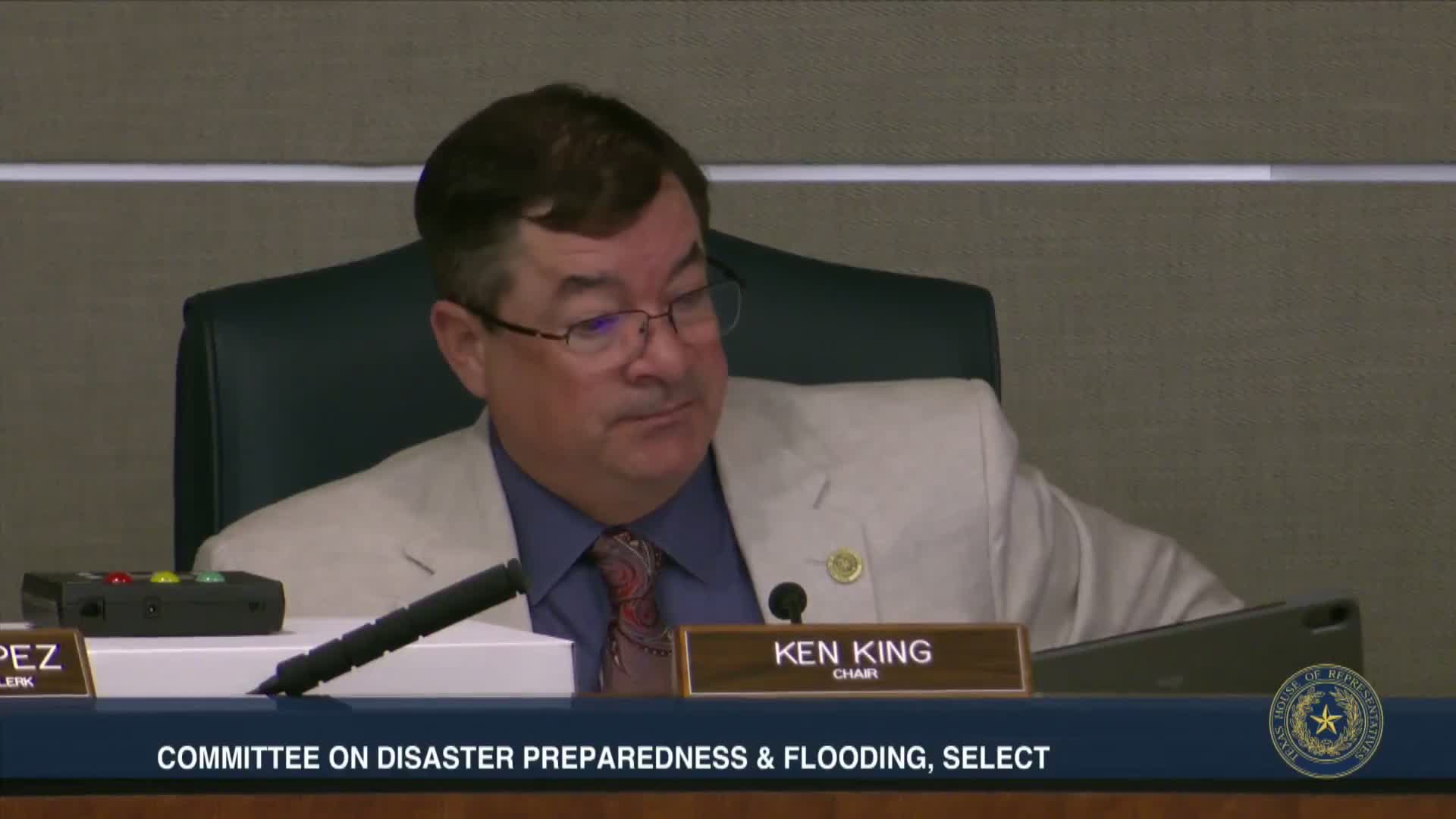
Representative J. Lopez told the committee House Bill 68 would direct a study of flood risk and drainage in Texas’ flatland regions to produce planning, construction and long-term maintenance recommendations. “This is not a spending bill. This is a planning bill,” Lopez said, arguing that flatland areas lack topographic relief and rely on engineered systems.
Lopez described the bill as a follow-up to previous work assigned to the Texas Water Development Board and said the measure would define “artificial drainage systems,” require cooperation with state agencies and evaluate return-on-investment for mitigation solutions. The sponsor told lawmakers the goal is data-driven decisions so taxpayer dollars can be spent on “cost-effective, financially responsible mitigation solutions.”
Local officials from the Rio Grande Valley emphasized immediate need for planning dollars. Ricardo Guerrero, mayor of San Benito, said his city is about 35 feet above sea level and that “any 2 or 3 inches of rain…gathers up into the lowest part of the city,” describing pockets where water remained for weeks after heavy rains. Fred Sandoval, San Benito city manager, told the committee planning dollars would “be invaluable” to help cities design codes and projects to protect residents and businesses and to allow local governments to “chase some of those dollars” for construction.
Buddy Garcia, a former Texas Commission on Environmental Quality commissioner and longtime Valley resident, told lawmakers the Rio Grande is regulated binationally, and that infrastructure built decades ago has not been sufficiently upgraded. He suggested a study could dovetail with the state flood plan and local council-of-government efforts by surfacing nuanced needs not currently in state plans.
Environmental and advocacy groups supported the bill. Cyrus Reed of the Lone Star Chapter Sierra Club said the 2024 state flood plan recommended expanded funding for flood early warning systems and targeted studies; he urged the committee to ensure the new study coordinates with the Texas Water Development Board and regional planning groups to avoid duplication.
Committee members asked whether the study would duplicate the state flood plan and how the study’s recommendations would be used. Witnesses responded that the study could identify issues — such as residential drainage and building-code adjustments — that regional flood planning to date had not fully addressed.
The committee left House Bill 68 pending to allow the sponsor and state agencies to refine scope and coordination language.
Ending: Sponsors said the study is intended to produce practical, actionable recommendations for drainage improvements, building-code guidance and funding priorities for flatland regions such as the Rio Grande Valley.