
Texas lawmakers weigh multiple bills to tighten youth-camp flood and emergency safety standards
Get AI-powered insights, summaries, and transcripts
Subscribe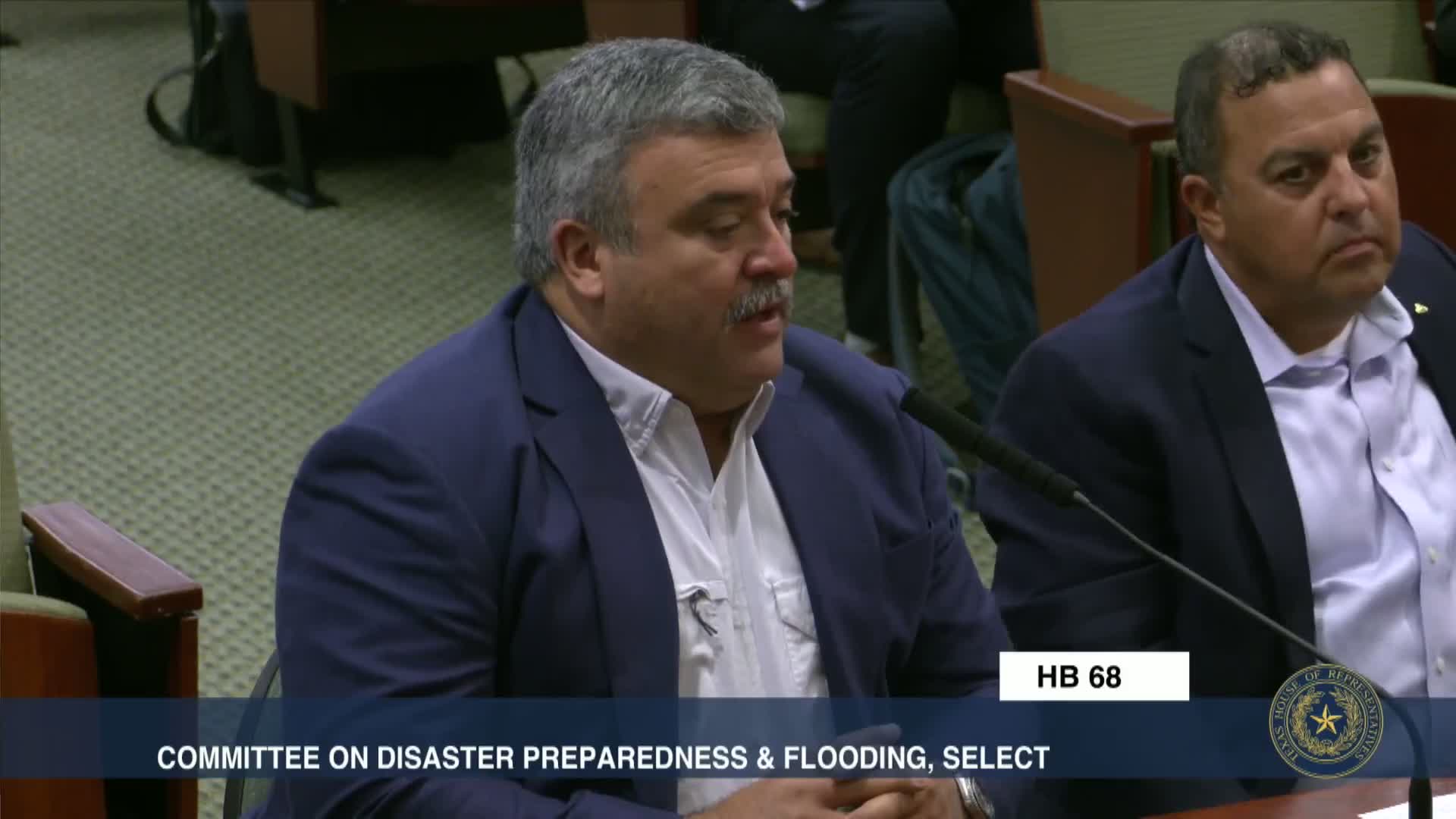
Summary
After deadly July flooding in the Hill Country, legislators heard several bills that would change how youth camps are sited, built and regulated, including new building standards, mandatory emergency plans filed with the Texas Division of Emergency Management, parent notifications and limits on lodging in flood-prone areas.
Lawmakers advanced multiple proposals to tighten safety at youth camps after July’s deadly Hill Country floods, focusing on where cabins may be located, how sleeping quarters are built and what emergency plans must be in place.
The measures were presented as complementary fixes rather than competing remedies: Representative Travis McLaughlin said the bills “set clear safety standards for youth camps located within or near floodplains,” adding they will require “evacuation-ready site planning” and ensure sleeping quarters are “kept out of high risk areas.”
Committee members heard from authors and witnesses about three main types of fixes: (1) construction/site rules to keep sleeping areas above flood risk, (2) operational requirements that camps file and coordinate emergency plans with first responders, and (3) disclosure and consent steps for parents.
Representative McLaughlin explained a bill that would require camps to follow “flood aware building standards, keeping sleeping quarters out of high risk areas, and adapt their site layout to ensure safe evacuation routes are always available.” He told the committee, “This legislation protects families who entrust their children’s safety to us.”
Representative Gervin Hawkins described a separate companion approach that would make submission of a site-based emergency preparedness plan to the Texas Division of Emergency Management (TDEM) a condition of licensure. She told the committee that plans must identify locations, hazards, evacuation procedures, staff responsibilities and a readiness checklist and that TDEM would review plans and provide technical support.
Camp operators and trade groups generally indicated support for the safety goals while urging careful drafting. Tyler Robertson, director for Camp Longhorn and spokesperson for the Camping Association for Mutual Progress, said the group “supports the overall goals and many provisions” but asked the committee to use precise definitions of floodplain and to protect sensitive operational information so plans are not misused. Kenneth Flippen of the U.S. Green Building Council said the bills were “common sense regulation” that “will help save lives.” Mario Cantu, a critical care paramedic, said he backed the TDEM-coordination approach: “The reason I’m supporting HB 71 is because of the framework. It provides protocols. It also gives coordination standards, which are very important,” he testified.
Parents and campers also told the committee why statutory changes matter. Kelly Raybon, whose sons were at Camp La Junta on July 4, said her family survived because teenage counselors improvised. “They are the heroes of this story,” she said of the counselors who rescued campers; her younger son Brock told the committee he climbed into an upper bunk as water rose and later saw cabins floating by. Raybon urged lawmakers to require vetted emergency plans, immediate parent notification when something goes wrong, and accountability if camps fail.
The bills would use multiple enforcement tools. Representative Gervin Hawkins’ measure authorizes civil penalties enforced by the attorney general — up to $1,000 per violation per day — and ties licensure to plan submission and real-time coordination with local EMS and sheriffs.
Committee members asked a range of technical questions about definitions and practical administration — for example, whether weather radios should be placed in cabins where minors sleep (some operators recommended they be kept with staff rooms and directors) and whether the rules should be applied differently by region or waterbody type.
The committee left the youth-camp measures pending for additional drafting and coordination with the Texas Division of Emergency Management and the Department of State Health Services. Proponents said they will work with stakeholders to refine definitions and confidentiality protections for emergency plans while preserving mandatory coordination and regular drills.
Ending: Committee staff and bill authors said they expect additional language changes before the proposals are reported out. Copies of submitted written testimony, including statements from the Camping Association for Mutual Progress and emergency medical professionals, were entered into the record.