Get Full Government Meeting Transcripts, Videos, & Alerts Forever!
Get email alerts on the Lobbying And Government Transparency topic
No spam. Unsubscribe anytime.
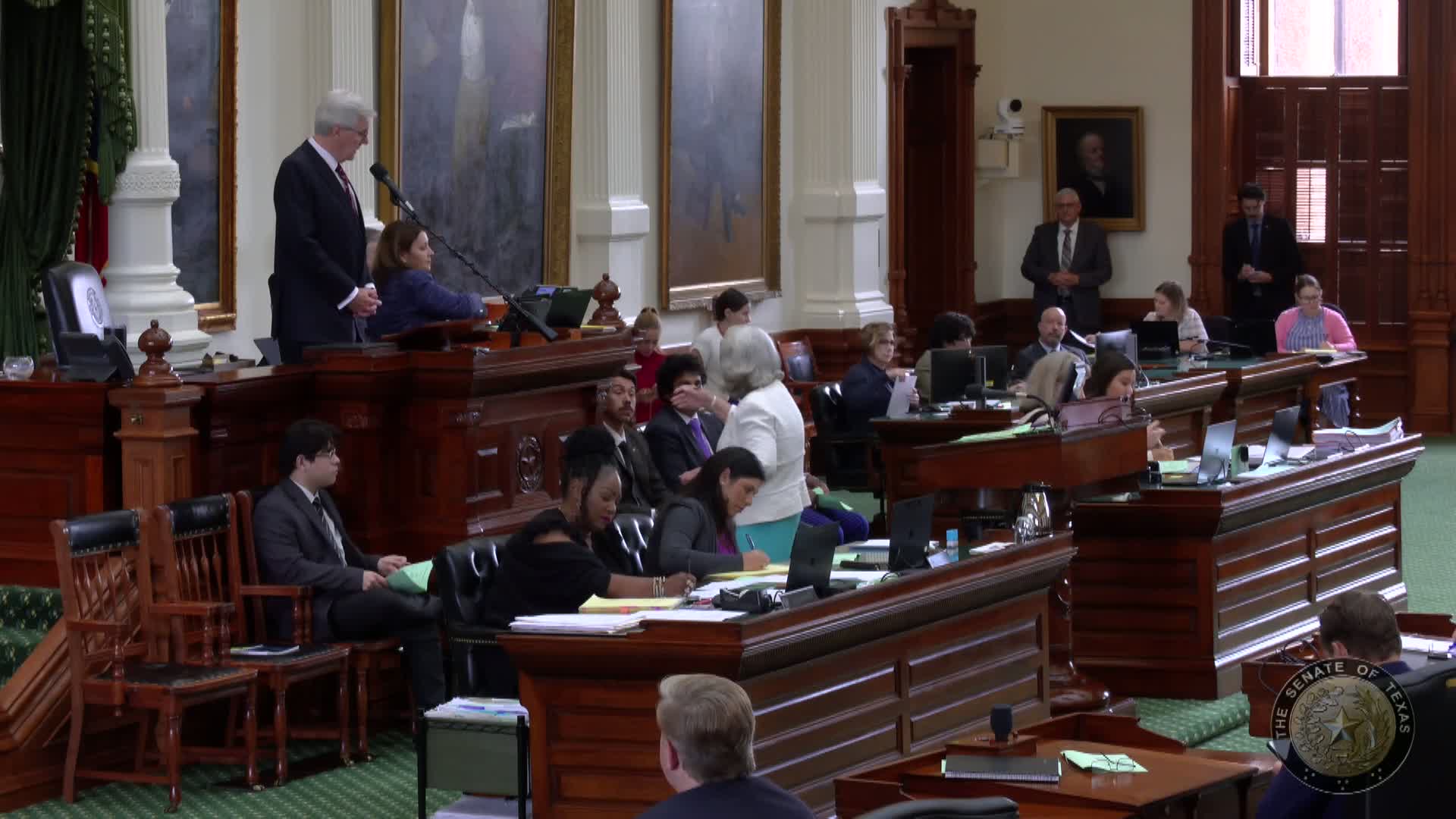
Senate passes restriction on political subdivisions’ use of public funds for lobbying after heated floor debate
Summary
The Senate approved Senate Bill 13 restricting use of public funds by political subdivisions for lobbying, 18-11. Supporters called it an anti-corruption move; opponents said it would silence small and rural governments and unevenly define political subdivisions.
The Texas Senate voted 18-11 to pass Senate Bill 13, a measure limiting how political subdivisions may use public funds for lobbying activities.
Senator Miles moved final passage, calling the bill a step to "put our taxpayers first or lobbyists first" and to end what supporters described as an unethical practice. Opponents, including Senators Hinojosa, Menendez and Johnson, argued the bill would strip a tool local officials use to advocate for their communities and would disproportionately hurt small and rural jurisdictions that cannot maintain a constant presence in Austin.
Why it matters: the bill changes how cities, counties, school districts and other political subdivisions can spend public money on advocacy and could alter which local interests have access to policymakers.
Debate on the floor emphasized fairness and access. Senator Hinojosa said many local officials are part-time and rely on professionals to help navigate the complex legislative process. Senator Menendez said the bill's inconsistent definitions—he noted charter schools were included in other bills but may be excluded here—create confusion and could silence distant or rural voices. Senator Johnson framed the bill as an overreach by the Senate majority into local decision-making.
Supporters characterized the measure as curbing influence of well-funded lobbyists and saving taxpayer money. After debate, the Senate recorded 18 ayes and 11 nays and declared the bill passed.