
California Senate panel hears national models, splits on whether nonveterinarians should expand animal care roles
Get AI-powered insights, summaries, and transcripts
Subscribe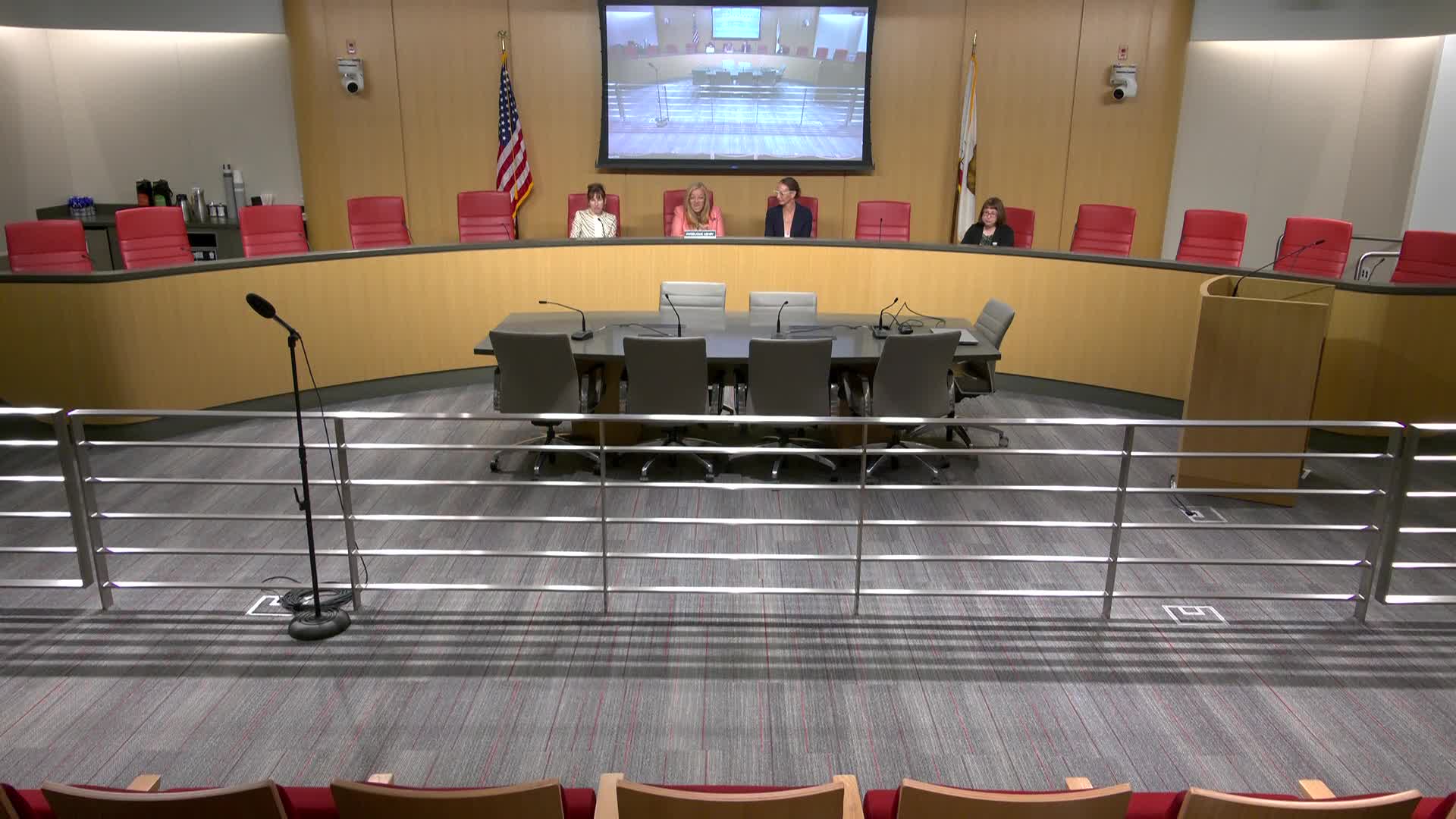
Summary
A California State Senate committee held a hybrid informational hearing on whether allied health professionals trained primarily to treat people should be authorized to provide medical or rehabilitative care for animals.
A California State Senate committee held a hybrid informational hearing on whether allied health professionals trained primarily to treat people should be authorized to provide medical or rehabilitative care for animals. The panel heard regulators from Nevada and Kentucky, executive officers from California licensing boards, university veterinarians and practicing physical therapists and chiropractors.
The hearing framed three competing aims: expand access to rehabilitative and noninvasive animal care, preserve veterinarians’ central diagnostic role, and protect animal safety through enforceable education and premises standards. “Protection of the public shall be the highest priority for the board in exercising its licensing, regulatory, and disciplinary functions,” Jessica Seiferman, executive officer of the California Veterinary Medical Board, told the committee.
Witnesses described three broad regulatory models found in other states: (1) allied providers licensed or certified and regulated directly by the veterinary board, (2) dual licensing with human-health boards combined with veterinary oversight and (3) direct access for certified nonveterinarians under a chiropractic or physical therapy board. Nevada and Kentucky officials described hybrid approaches already in use in their states; several California boards said they preferred continued veterinary oversight. Kentucky’s executive director argued veterinarians should remain involved at every stage; Nevada’s witness described dual licensure and a requirement that allied providers work under a veterinary-client-patient relationship.
Practitioners urged more flexibility. Several licensed physical therapists and certified animal chiropractors said strict premises rules and requirements for on-site veterinarian supervision effectively block new clinics, lengthen wait lists, increase costs, and push owners toward uncredentialed providers. “Training is rigorous and available to California licensed PTs,” said Karen Atlas, a certified canine rehabilitation physical therapist and coalition representative, arguing that modernized rules could expand care without reducing safety.
The committee did not take votes. Instead, senators questioned board leaders about complaint processes, premises permitting, the veterinary-client-patient relationship (VCPR), and whether available certification programs and continuing education provide adequate safeguards. Several veterinarians described emergency cases — for instance, a dog with gastric dilation-volvulus identified during an exam — to explain why a veterinarian on the premises can be needed to provide immediate life‑saving care.
The hearing closed with multiple public commentators representing veterinarians, physical therapists and chiropractors, stressing collaboration while advancing different statutory solutions. Committee members said the session is intended to inform future legislation rather than advance a particular bill.
Ending: Committee staff said they will collect additional information from states that have regulatory carve-outs and from malpractice carriers and return with data to help legislators weigh consumer access, public safety and enforcement trade-offs.