Get Full Government Meeting Transcripts, Videos, & Alerts Forever!
Get email alerts on the Harm Reduction Policy topic
No spam. Unsubscribe anytime.
Advisory committee debates including harm-reduction strategies; syringe services funding flagged by commissioners
Summary
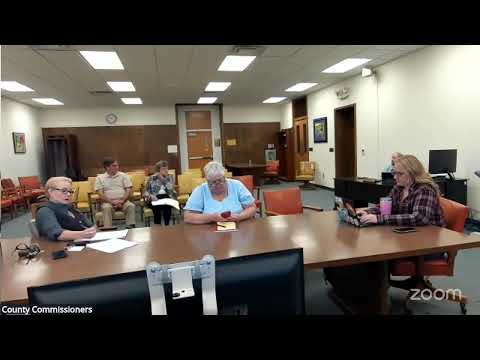
Committee members debated whether to include harm-reduction and syringe-services programming among eligible strategies for opioid-settlement grants after members reported commissioners or beneficiaries raised objections; the committee agreed to educate commissioners and seek further discussion before removing the strategy.
Committee members spent a substantial portion of the meeting debating whether harm-reduction strategies — including syringe-services programs (SSPs) — should be listed as a core strategy in the county’s opioid-settlement application. One committee member reported that some commissioners and funding beneficiaries had asked to remove syringe-services language from the application.
Members pushing to retain harm reduction said that evidence-based approaches, including SSPs and buyback programs, reduce disease transmission and save lives, and that excluding harm reduction would omit recognized pillars of effective opioid response. Those who described commissioners’ reservations said the concern was a public perception that providing syringes “enables” continued drug use; the committee discussed educating the commissioners about the evidence and including harm reduction as a core strategy while noting the commissioners retain final approval authority.
The advisory committee agreed to present clarifying information and education at the upcoming commissioners’ meeting rather than unilaterally remove harm-reduction language from the application. Committee members said the commissioners could still make the final decision, and some members urged the committee to attend the commissioners’ meeting to answer questions and provide context. The committee also discussed how recovery-pillar flex funds used by SSPs had permitted local programs to provide rent assistance, transportation and other “flex” supports that other restricted federal funding does not cover.
Ending: Committee members asked staff to place the harm-reduction discussion on the commissioners’ agenda, to prepare brief educational materials explaining evidence and local impacts, and to plan that committee members will attend the commissioners’ meeting to answer questions.