Get AI Briefings, Transcripts & Alerts on Local & National Government Meetings — Forever.
Senators tour 12 communities as state faces wave of aging water and sewer projects
Loading...
Summary
Minnesota Senate capital investment committee members began a second leg of a statewide bonding tour, visiting small towns to assess infrastructure needs—especially aging drinking water and wastewater systems built in the 1970s and 1980s—while funding levels remain undetermined.
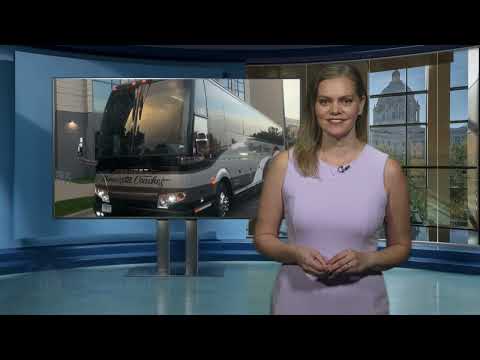
Senators from the Minnesota Senate’s capital investment committee began the second leg of a statewide bonding tour, traveling by bus through small and rural communities to review local infrastructure projects and speaker testimony about funding needs.
The tour is intended to gather first‑hand information ahead of a future capital bonding bill. Senator Anne Johnson Stewart said the fast pace—"12 communities in 12 hours on one bus"—offers an opportunity to meet residents and see projects up close. Senator Carla Nelson said the in-person visits let lawmakers "ask questions of the engineers or hear from the public directly."
Committee members told reporters they saw requests ranging from park upgrades and airport work to prison and academy projects, but the most common need was for drinking water and wastewater systems. Multiple communities visited have treatment plants built in the 1970s and 1980s, a period of heavy federal investment; officials said many of those systems are now failing at the same time, increasing demand for state support.
Senators on the tour emphasized the long-term nature of bonding, which borrows to pay for multi-decade projects, and urged that capital priorities consider needs beyond the two-year budget cycle. "Bonding means that the state borrows money to pay for long-term, long projects over long periods of time," an attendee said on the tour. Several senators also argued for minimizing politics in bonding allocations so projects receive funding regardless of partisan representation.
The state has not yet set the total amount available for a 2026 bonding bill. Senators on the tour said rising construction costs make annual or more frequent bonding desirable to prevent projects from becoming more expensive after delays. The first leg of the tour visited southeast Minnesota in September; the committee intends to visit communities across the state before the next regular session begins in February 2026.
No formal votes or bond authorizations were taken during the bus tour; the event was described by participants as information gathering and constituent outreach.