Lifetime Citizen Portal Access — AI Briefings, Alerts & Unlimited Follows
Commission defers Melrose Park street‑lighting decision after heated public debate; residents split over safety, costs and process
Loading...
Summary
The City Commission deferred a measure authorizing a street‑lighting agreement with Florida Power & Light for the Melrose Park neighborhood after hours of public comment and a sharply divided room. The commission voted to postpone a final decision to allow the commissioner and neighborhood leaders to meet and narrow differences.
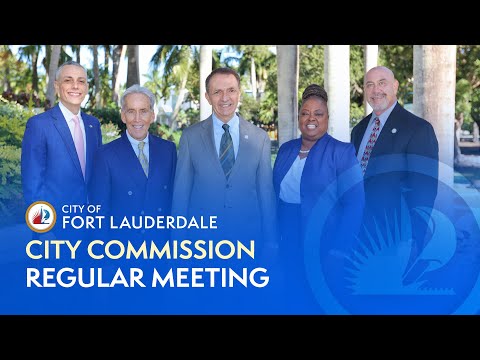
The Fort Lauderdale City Commission on Oct. 7 deferred a resolution (CR1) that would have authorized the city manager to execute an agreement with Florida Power & Light for LED street lighting in the Melrose Park neighborhood. The item was removed from the consent agenda after widespread public interest and a long, sometimes contentious public-comment period.
What happened Commissioner Pamela Beasley Pittman pulled CR1 to ensure the neighborhood had a full public airing. More than three dozen residents and neighborhood leaders spoke across nearly two hours, with testimony sharply divided.
Community positions - Opposed: Longstanding Melrose Park homeowners and the recognized homeowners association president, Donna Guthrie, said the neighborhood’s character and privacy would be harmed by widespread lights. Guthrie repeatedly emphasized, "No lighting," and argued earlier surveys and outreach had been flawed, that outside participants attended meetings staged elsewhere (Melrose Manors), and that the neighborhood’s property owners had not received proper notice. Several longtime residents said darkness helps deter some kinds of crimes in their tight-knit streets.
- Supportive: Many residents — including younger homeowners and parents of children who wait for buses in predawn hours — said additional lighting would improve safety and visibility. Speakers described near-misses involving schoolchildren, and some home owners said they already had instances of property crime exacerbated by darkness. Florida Power & Light and city staff participated in multiple outreach meetings and presented a revised, smaller plan for decorative fixtures rather than the taller poles originally proposed.
Technical, fiscal and process points raised - FPL said the currently proposed design would install 555 decorative LED units and offered to add light shields if any fixture caused unacceptable spill light into private yards. Alex Acosta of Florida Power & Light told the commission, “The current number is 555, decorative units,” and said the company would install shields at no additional cost if residents complain about backlight. - The city manager and public-works staff presented a summary of three public outreach meetings and an effort to produce a photometric layout that would produce consistent street lighting rather than spotty installations. - Multiple speakers asked that drainage and stormwater improvement (phase 2 of Fortify Lauderdale) be prioritized ahead of lighting — several residents said chronic flooding and clogged outflows were the more urgent problem. - Several residents and the HOA president said they were not given timely formal notice of the CR1 agenda item and asked for a formal neighborhood survey of property owners.
Commission action and next steps After public testimony, the commission voted 5–0 to defer CR1 to the commission’s next scheduled meeting and directed Commissioner Beasley Pittman and HOA leadership to meet with staff to clarify outstanding issues, outreach and process. The commission recorded the deferral vote with a roll call of 5–0.
Why this matters Melrose Park is a long-established neighborhood where residents and homeowners differ about whether additional street lighting would improve safety or change the area’s character. The decision will affect city capital and operating budgets (the CR1 backup showed estimated monthly charges for maintained lighting) and sets a precedent for how the city balances neighborhood preferences against citywide public-safety and infrastructure priorities.
Ending The commission left the door open for a negotiated approach: city staff and the commissioner will work with the HOA president to set a follow-up meeting, resolve outreach gaps and determine whether a revised plan can secure a broader neighborhood consensus before the next vote.