Committee debates equipment fund, ambulance billing and long-term replacement planning
September 10, 2025 | University Heights City Council, University Heights, Cuyahoga County, Ohio
This article was created by AI summarizing key points discussed. AI makes mistakes, so for full details and context, please refer to the video of the full meeting. Please report any errors so we can fix them. Report an error »
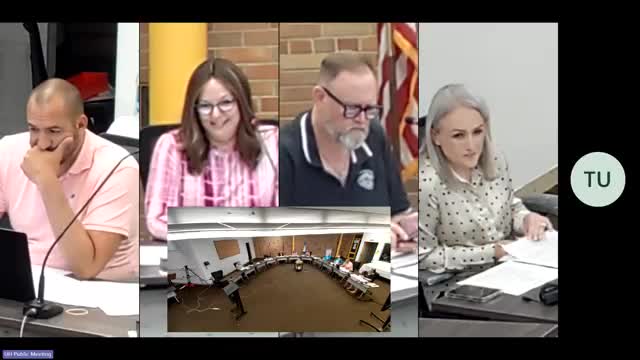
Fire Chief Perko explained the request grew from prior discussions about replacing a ladder truck and the long lead time and rising costs for apparatus. "At about the time we pay [the current ladder truck] off, we're going to need to replace it," Chief Perko said, adding that supply-chain and cost increases have raised replacement prices and that the department currently has no reserves for such purchases.
Councilmembers and staff debated two models: (1) creating department-specific restricted funds (for example, fire equipment only) and (2) a single equipment or capital fund that preserves budget flexibility. Councilmember Weiser warned that creating multiple restricted funds reduces flexibility. "If we create a dedicated fund for that, that money goes into it, it can only be spent on that item… You lose flexibility budget-wise when you do it," she said.
Members discussed ambulance (EMS) billing as a potential revenue stream for equipment reserves. Committee members noted the city currently soft-bills insurers, sometimes receives roughly $630 for a transport, and that municipal ordinances or contract terms may limit the rates the city can request. One councilmember noted unpaid receivables in annual reports and asked staff to provide a multi-year side-by-side comparison of billable rates, receivables collected, and whether current ordinances constrain updates to EMS fees.
Finance staff said they would prepare additional data for future committee meetings, including recommended EMS fee updates, historical EMS receivables and an asset-condition matrix (an Excel sheet with vehicle condition ratings) to inform capital planning. Several members suggested the city consider a "sinking fund" approach (non-dedicated reserve that is maintained over time) as a middle ground. No ordinance, fee change, or formal vote was taken; the committee asked staff for more information and scheduled continued discussion at a future finance meeting.
Key numbers and context discussed:
- The finance director summarized a five-year capital projection; committee asked for more detailed multi-year analysis.
- Committee cited an example transport charge of about $630 and discussed potential differences between ordinance-authorized billing thresholds and insurer/Medicare/Medicaid reimbursement rates.
- Staff reported current per-cut costs when city crews perform grass/cleanup work ranged roughly from $62.68 to $187.60 depending on overtime and extent of overgrowth (discussed later under a separate agenda item).
Next steps: staff to prepare EMS billing historicals, receivables analysis, allowable billing thresholds, and an equipment/asset spreadsheet for the committee to review at a future quarterly finance meeting.
View the Full Meeting & All Its Details
This article offers just a summary. Unlock complete video, transcripts, and insights as a Founder Member.
30-day money-back guarantee
Sponsors
Proudly supported by sponsors who keep Ohio articles free in 2026

