Get Full Government Meeting Transcripts, Videos, & Alerts Forever!
Get email alerts on the Housing Department Reports topic
No spam. Unsubscribe anytime.
Committee backs ordinance requiring monthly building and housing reports; flags staffing and software issues
Summary
The Building & Housing Committee recommended approval of Ordinance 2025‑27 to require monthly reports from the Building and Housing departments and discussed staffing shortages, data‑entry burdens in CitizenServe and possible operational fixes.
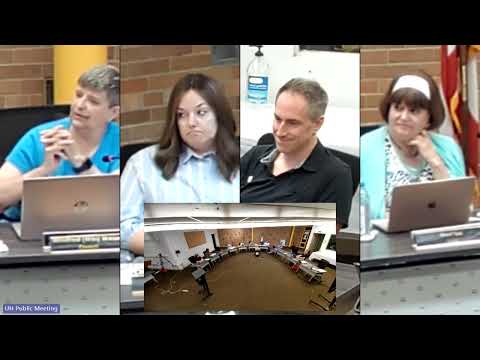
The University Heights Building & Housing Committee on July 16 voted to recommend that City Council approve Ordinance 2025‑27, which would require monthly reports from the Building and Housing departments on applications, permits and inspections.
Committee members said regular written reports would give Council a clearer view of department workload, inspection backlogs and housing‑stock changes. Committee chair said the council currently receives little written data from administration and that monthly reports would support budget and program decisions. “We get nothing in writing. Period,” the chair said.
Housing Department staff member Miss Davis described heavy staffing constraints: “From September up until March, I have been by myself,” she said, explaining that she is training two new staffers and is still rebuilding department capacity. Committee members asked for reports that focus on counts and addresses — for instance, the number of point‑of‑sale applications submitted, permits issued and inspections completed in a month — rather than detailed case files.
Committee members and staff discussed operational details the ordinance should capture. Examples recorded in the meeting: exterior inspections are conducted during a three‑month window each year; registration and many rental certificates currently expire on May 31, producing a large annual workload (the committee noted the coincident expiration affects more than a thousand rental units); point‑of‑sale applications do not always correlate with title transfers; and the city maintains a $15,000 grant program for housing repairs that committee members said is underutilized because income eligibility is narrow.
Committee discussion also flagged software and payment processes. Members said some transactions are entered manually in CitizenServe and cited an instance in which entering a special pickup required many data steps. “If there are 45 steps to input a trash pickup, something’s wrong,” the chair said, and members discussed options such as a terminal for residents to enter information or moving toward cashless, online payments to reduce staff data entry.
The ordinance was described by staff as non‑emergency and slated for first reading; the committee moved and seconded a recommendation to Council that the ordinance be approved and recorded that it likely would not be effective immediately even if enacted. Committee members also noted that a coordinator position appearing on the special council agenda is expected to be approved by the Finance Department and might provide staff capacity to prepare the reports if hired.
The committee recommended approval of Ordinance 2025‑27 by voice vote and asked housing staff to provide progress reports as they build capacity to produce the monthly materials.