Get Full Government Meeting Transcripts, Videos, & Alerts Forever!
Get email alerts on the Marijuana Dispensary topic
No spam. Unsubscribe anytime.
Residents urge Mayfield Heights to allow state‑licensed marijuana dispensaries, citing safety and tax benefits
Summary
Two residents told the March 24 Mayfield Heights City Council meeting that the city should permit state‑licensed marijuana dispensaries, arguing licensed stores would supply tested products, reduce illegal sales and generate local tax revenue.
Two residents urged the Mayfield Heights City Council on March 24 to reconsider a local prohibition on state‑licensed marijuana dispensaries and to allow a licensed, regulated retail market inside the city.
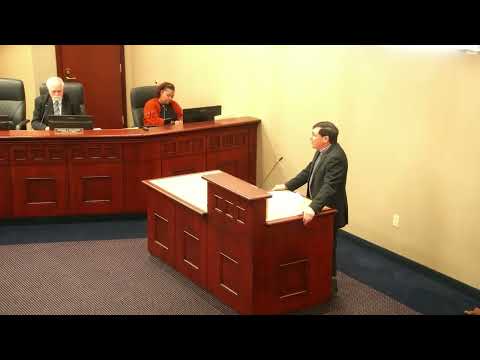
Scott Halloran, who said he lives at 13599 County Line Road, told the council that he has identified a location that meets Ohio’s 500‑foot proximity requirement for dispensaries and that local voters backed Issue 2 by what he described as “a super majority.” He said the city should permit a regulated market so residents can buy tested products locally and the city can capture tax revenue. “The voters in Mayfield Heights want this,” Halloran said, adding that revenue “could and should mean hundreds of thousands of dollars” for the city.
Caitlin Frederick, who identified herself as the lab manager at Buckeye Relief and said she has worked in Ohio’s marijuana industry since 2019, told council members licensed dispensaries subject products to potency and safety testing not performed by many unregulated sellers. “Virtually none of the products, vapes, candies, pre‑rolled joints that are currently being sold at vape shops, head shops, and gas stations in Mayfield Heights are tested by any labs for these safety assays,” Frederick said. She added that licensed operations test for pesticides, heavy metals, solvents, mycotoxins and other contaminants.
Why it matters: Council has local authority to regulate where licensed marijuana businesses may locate but cannot override state licensing rules; allowing local host municipalities to regulate or accept licensed facilities can affect public safety, enforcement and municipal revenues. Halloran cited Ohio’s 500‑foot distance rule and voter support for Issue 2 as reasons to reconsider the city’s prohibition; Frederick pointed to lab testing as a consumer‑safety benefit of licensed sales.
Council did not take formal action on local marijuana rules at the March 24 meeting. The public comment period closed and the meeting proceeded to agenda items. No member of council introduced a motion on the subject during the meeting.