Get Full Government Meeting Transcripts, Videos, & Alerts Forever!
Get email alerts on the Parking Policy topic
No spam. Unsubscribe anytime.
Salt Lake City administration to allow longer evening stays at meters after community feedback
Summary
City administration said it will permit up to four‑hour parking in metered spaces Monday–Saturday evenings to address arts and entertainment access, and staff flagged any ordinance changes for council review.
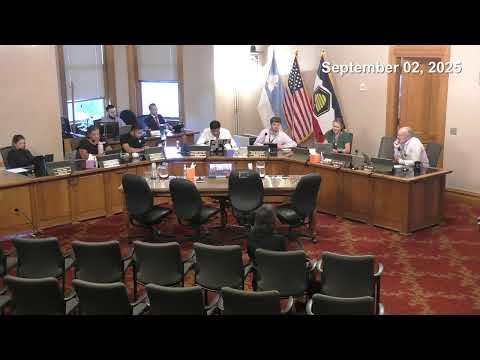
Salt Lake City administration announced an adjustment to recently revised parking rules Sept. 2: meter enforcement will allow up to four‑hour parking in metered spaces Monday through Saturday from 6 p.m. to 10 p.m., while daytime two‑hour limits remain in force.
City staff said the change responds to feedback from arts and entertainment venues that patrons attending evening performances could be priced or time‑limited out of downtown parking. The city’s revised parking ordinance extended metering to 10 p.m. and added Saturday metering; staff said the unanticipated interaction between the extended metering hours and the two‑hour time limit had created barriers for patrons whose events exceed two hours.
The administration said it will communicate the change through downtown arts groups, the Downtown Alliance and city social channels and said it would consider further refinements such as tiered pricing or zone pricing in discussion with council and stakeholders. City staff also told the council that if legal or technical ordinance changes are required to implement the change permanently, the administration and city attorney will bring recommended ordinance language to the council.
Council members welcomed a holistic future conversation on parking policy and asked staff to bring any ordinance edits to the council if needed. No formal council action was taken at the work session; the administration characterized the evening meter adjustment as a near‑term, data‑driven response while longer‑term options are developed.