
Residents urge Select Board to scrap Hoover Tower redesign, call for stop signs and traffic-calming
Get AI-powered insights, summaries, and transcripts
Subscribe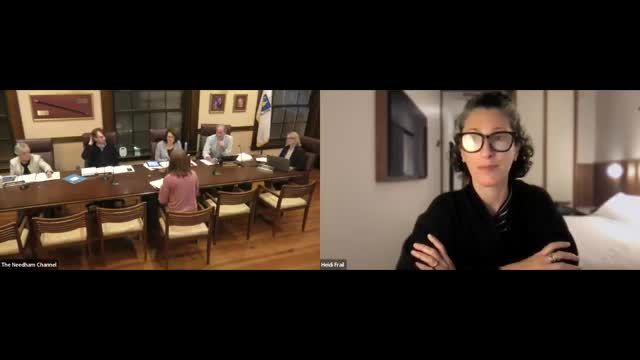
Summary
Neighbors of the Hoover, Tower and Paul Revere intersection told the Select Board they oppose a planned redesign, raised safety, transparency and drainage concerns and urged simpler traffic-calming measures.
At the start of the Sept. 24 Select Board meeting residents from the top of Tower Hill pressed the board to halt a traffic redesign they say was deployed without sufficient neighborhood notice.
Debbie Bridal (listed as Debbie Bryson earlier in the sign-in), who said she lives at 18 Hoover Road, told the board she collected nearly 100 signatures from neighbors opposed to the plan and said residents want four stop signs at the top of the hill. "The majority of people want 4 stop signs on the top of the hill," she said, adding that people who live near Mitchell School would still need safe crossing. Bridal said the neighborhood had not been properly notified and described the project as "done to us, not for us."
Caller Jack Kaelin, who identified himself as living downhill from recent development near the project area, told the board he had seen flooding at his garage after neighbors raised lot grades and removed trees. He told the board he researched accident history at the Tower/Paul Revere/Hoover intersection and found no record of frequent crashes; Kaelin urged the town either to abandon the redesign or adopt lower-cost measures such as stop signs and speed humps at key locations.
Select Board members acknowledged the neighbors' concerns and said DPW staff had already made minor adjustments to the temporary traffic control on the hill; board members and staff said a neighborhood meeting would be scheduled so residents could review proposed changes before construction proceeds. The town noted that some constraints come from the town's treatment of through streets and standards for stop-sign placement, and staff referenced engineering review of sidewalks and sight lines.
The Select Board did not take formal action on the project at the Sept. 24 meeting but told residents it would continue the conversation and seek additional community meetings and engineering study results prior to any permanent construction.
Residents asked the town to consider speed studies, clearer information about timing and scope, and design alternatives that prioritize local pedestrian safety while limiting new drainage impacts resulting from lot regrading.