Get Full Government Meeting Transcripts, Videos, & Alerts Forever!
Get email alerts on the Climate Roadmap topic
No spam. Unsubscribe anytime.
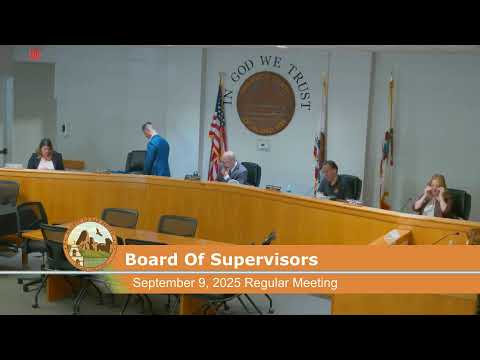
County staff present climate roadmap; board asks for prioritization and clarity on funding
Summary
County resource-management staff presented a draft climate roadmap meant to align local mitigation and resilience actions with state targets; supervisors praised the plan but pressed staff on implementation costs, timelines and how the roadmap would prioritize projects given limited county resources.
San Benito County staff on Tuesday presented a draft countywide climate roadmap that outlines strategies, measures and actions intended to reduce greenhouse‑gas emissions and increase resilience in unincorporated areas. The presentation framed the roadmap as a framework to meet state targets and to position the county for funding opportunities.
Resource Management Agency staff described work that produced a county greenhouse‑gas inventory, scenario forecasts, and a menu of sectoral strategies — including building electrification, transportation‑mode shift, waste reduction and agricultural carbon‑sequestration measures. Staff said the roadmap design seeks to align county corporate operations with state legislation, identify measurable actions that county departments can implement, and prepare a programmatic basis for future grant applications.
Presenters noted community engagement efforts including bilingual outreach, farmer market pop‑ups and surveys. Staff highlighted survey results showing limited household preparedness for climate disasters and identified community interest in programs such as battery storage, home composting and transit/active‑transportation investments.
Board members commended the staff work but repeatedly asked how the roadmap would be prioritized and funded. Supervisors raised concerns about county budget pressures, the need to focus on core services and the risk of imposing unfunded mandates on residents or businesses. One supervisor said the county should prioritize near‑term, low‑cost actions (for example wildfire risk reduction) and pursue grants strategically rather than adopting a large unfunded program all at once. Another supervisor asked for clearer measures of where emissions come from in the unincorporated county and whether agriculture‑sector sequestration opportunities had been fully accounted for in the inventory.
Technical staff and consultants answered detailed questions about inventory methods and opportunities for agricultural carbon sequestration through soil‑health practices and regenerative agriculture grants; they said USDA and state programs could help fund pilot projects in the agricultural community. Several public commenters — including a USDA analyst and local farmers — urged the county to ensure agricultural practices and rural needs are considered in the roadmap.
Staff said the next steps would include public workshops in the fall, additional outreach to rural and agricultural stakeholders, and further refinement of cost and funding scenarios. Staff urged the board to view the roadmap as a funding‑ready framework that increases the county’s competitiveness for grants rather than as an immediate budget appropriation list.
No formal action was taken; the board took comments and asked staff to return with a prioritized implementation plan and clearer funding strategies before committing to specific projects.