
High Springs commission approves 2025–26 budget, debate centers on fire and police costs
Get AI-powered insights, summaries, and transcripts
Subscribe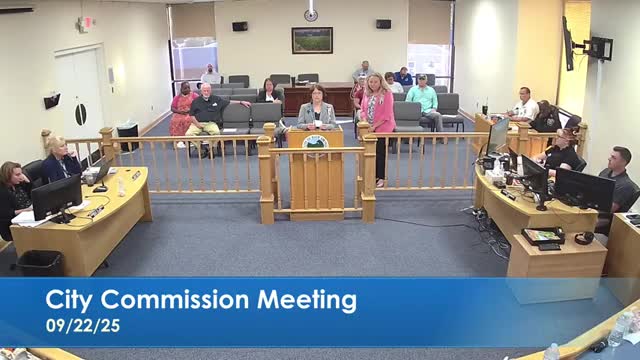
Summary
The City Commission adopted a millage rate of 6.99 and approved the 2025–26 budget after extended debate about fire and police staffing, overtime and equipment costs. Commissioners and staff agreed to return with potential cost-cutting options for consideration in October.
The City Commission of High Springs on Sept. 15 approved the fiscal year 2025–26 budget and set a final millage rate of 6.99, votes that followed extended discussion about public-safety spending and utility rates.
The budget vote followed a presentation of the millage and a reading of the ordinance adopting the city’s budget. The commission voted on resolution 2025‑L setting the millage and on ordinance 2025‑O5 adopting the budget; both measures were approved as presented.
Why it matters: Commissioners and residents pressed for clearer, near-term steps to reduce the burden on ratepayers after the commission earlier in the budget process approved a series of revenue increases that, as presented at the meeting, include a property tax increase and higher sewer and utility charges.
Discussion and key facts
Commissioner Bloodsworth raised multiple concerns about staffing levels, overtime and equipment in the fire and police departments and urged commissioners and staff to identify potential cuts. He said the package of revenue increases was intended to address roughly a $723,000 deficit and that the city had raised sewer rates "to 24.25" (as noted in the meeting materials). Bloodsworth urged staff to return in October with options that could reduce transfers from the general fund and potentially allow midyear rate reductions for residents.
City Manager Mr. Marshall (city manager) told the commission the city has a contingency balance that he estimated at about "$80,000–$90,000" and gave an example of using that contingency to meet a required $50,000 local match for a CDBG stormwater grant. Marshall and other staff answered commissioners' questions about insurance, debt service and dispatch fees.
Commissioners pressed department chiefs for specifics. Chief Peters (fire chief) and Chief Antoine Shepherd (High Springs Police Department) described department staffing, equipment purchases and contractual obligations. Chief Shepherd explained the police payroll increases reflect both state-level salary adjustments and required employer pension costs; he and others said recent statewide steps to increase law-enforcement pay made retention and recruitment more difficult without adjusting local pay.
Overtime and staffing
Commissioners and staff reviewed overtime trends: the budget shows overtime for public-safety personnel rising in recent years, with one commissioner noting last year’s overtime budget was $125,000, projected actuals rose toward $189,000, and the proposed overtime budget is roughly $200,000. Staff noted unusual increases in property and liability insurance tied to the recently expanded wastewater plant and that contracted dispatch costs rose from about $192,000 budgeted to roughly $250,000 in the current year.
Equipment and contracts
Commissioner Bloodsworth asked whether the city could reduce fleet lease costs, sell or re-evaluate recently purchased apparatus (including a medium rescue truck) and rely less on irregular revenue from outside agency contracts. Fire and police chiefs described how contractual requirements, mutual-aid arrangements and vehicle-rotation practices affect long-term costs; chief staff emphasized tradeoffs between lease, purchase and maintenance decisions.
Next steps
Commissioner Bloodsworth asked department heads and city management to take a month to develop cost-cutting proposals and return to the commission in October (not the first meeting of October) with recommendations that could allow midyear budget amendments. The commission approved the budget as presented and the ordinance adopting it, and staff accepted direction to explore options to reduce transfers and operational costs.
Ending
The commission’s approvals make the adopted millage and budget effective for fiscal year 2025–26. Commissioners and staff left the meeting with a clear directive to seek options to reduce public-safety spending pressure and to report back with concrete proposals that could reduce the rate and transfer burden on residents.