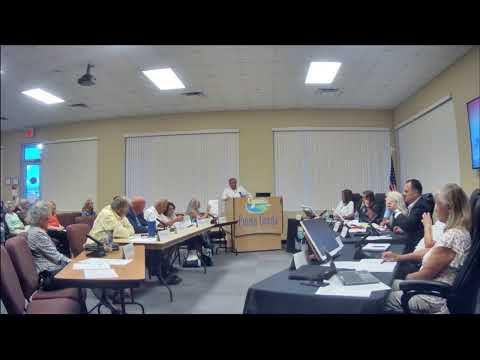
Historic preservation fund and HPAB authority discussed; board seeks options and legal review
Loading...
Summary
HPAB members debated options for a preservation fund—a tenth-mill levy, tourist-development tax or other revenue—and whether the advisory board should gain enforcement authority; staff and members agreed to research models from other Florida cities and to review bylaws and legal constraints.
Punta Gorda’s Historic Preservation Advisory Board discussed funding mechanisms and the board’s authority on Oct. 5, exploring a proposed preservation fund, possible millage or tourist-tax options and whether the advisory board should have decision-making power rather than advisory status.
Board members and commenters suggested revenue models used by other Florida cities, including a 0.1 mill (one-tenth mill) levy on property, a dedicated share of tourist-development (bed-tax) revenue, or targeted assessments for the downtown historic core. "If you're taking the city as a whole and you say a tenth of a mill, that would probably give you a preservation budget of $500,000," a participant said while noting the need to define eligible uses and legal constraints.
Several members recommended studying other municipalities: Theresa Deskin said she had contacted Cedar Key, Mount Dora and Fort Myers Beach for examples and would compile policies the board could learn from. Janine Polk suggested a tourist-development tax dedicated to preservation could be an option because it targets visitors who benefit from historic assets.
On authority, board members asked what "teeth" the HPAB could have beyond advisory reviews. Staff explained that converting an advisory board to a decision-making board or creating architectural-review authority requires changes to the code and the land-development regulations and may involve an 18-month process to rewrite LDRs and obtain council adoption. HPAB members asked the city attorney and staff to review the board’s bylaws and possible enforcement options; board member Donna Peterman offered historical context about an extensive 2018–2019 review of properties when the board had previously examined local-register criteria.
Why this matters: Funding and enforcement structures determine whether the city can support repairs, incentivize preservation and accelerate hazard mitigation for damaged historic properties. Board members said proactive planning is needed because storm risks will continue.
Next steps: HPAB asked staff to research funding models from other Florida cities, to check legal constraints on ad valorem or tourist-tax use for preservation, and to review HPAB bylaws for possible revisions that could give the board clearer authority. Staff and counsel will report back to the HPAB.