
Jennings County commissioners pause vote on creating/refilling magistrate/referee position after funding questions
Get AI-powered insights, summaries, and transcripts
Subscribe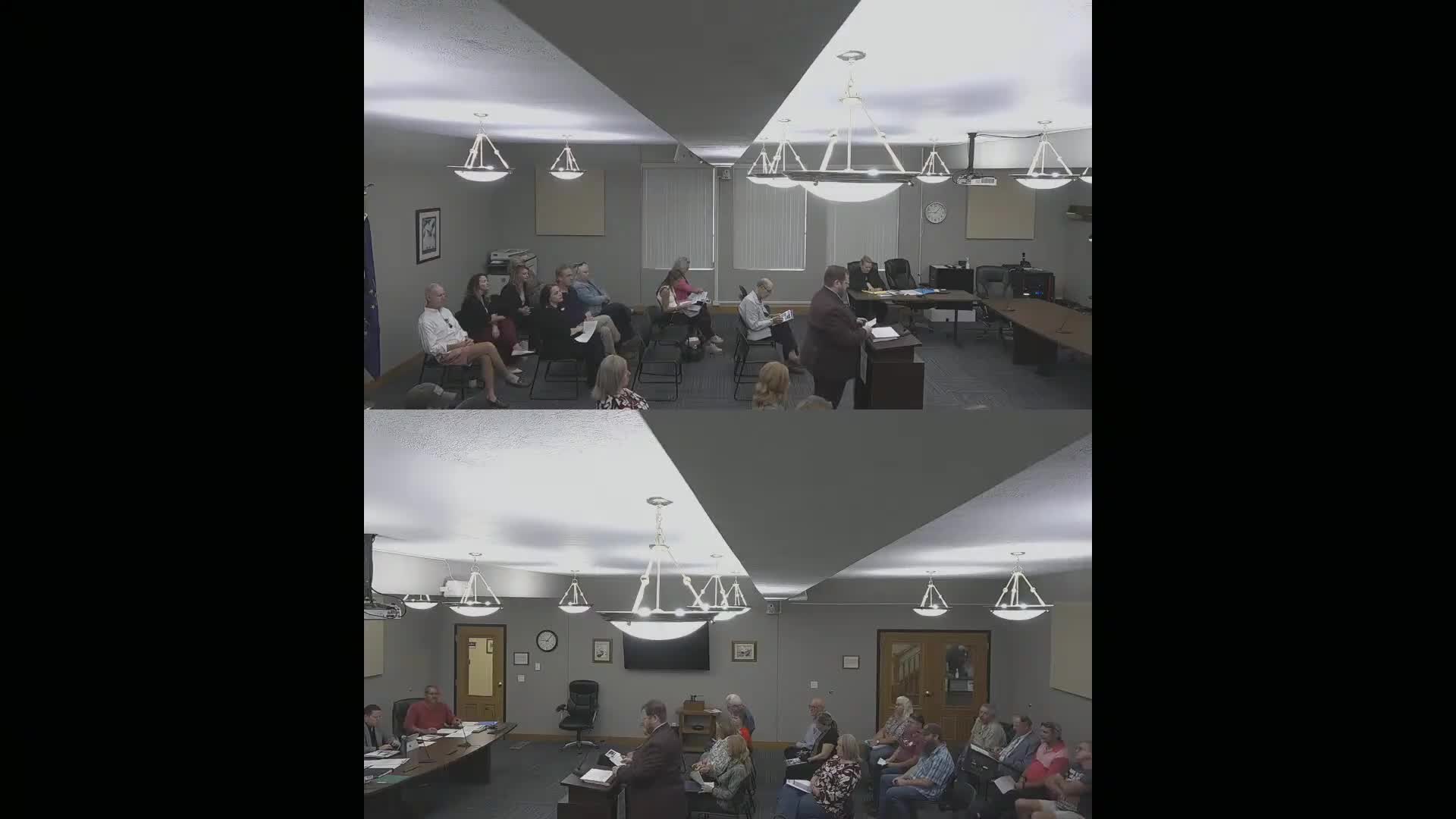
Summary
County commissioners heard detailed data from the magistrate and community advocates about reduced foster-care time to permanency and jail-cost savings but voted to leave the earlier decision unchanged and seek written funding agreements before acting.
The Jennings County Board of Commissioners heard more than an hour of testimony and data on a proposed magistrate/referee position and voted on a motion to leave the previous decision unchanged, postponing any new action until the parties confirm funding sources.
Magistrate Chris Dorn told the commissioners he has secured a roughly $170,000 grant award intended to cover about $85,000 a year for two years, and he proposed supplementing the remainder of the position’s cost from Title IV‑D incentive funds (fund 88.95) and restricted opioid-settlement money. Dorn gave detailed court workload and cost figures, saying that as of Sept. 29, 2025, the Ninth Circuit had 509 pending cases, 66 new filings in the prior 30 days and 91 hearings set for the coming month. He said the county jail population was 131 and estimated the average daily cost to keep an adult incarcerated at $52.61, or $19,202.65 per year.
Dorn and supporting witnesses argued the magistrate/referee position produced measurable savings and faster outcomes for children. Dorn said the median days to permanency for children in need of services cases fell from 866 days in 2020 to 309 days after changes he oversaw. He listed programmatic costs and savings in his packet and cited reductions in foster‑care days that he said translated to taxpayer savings in the low hundreds of thousands to several hundred thousand dollars per year.
The proposal, as described at the meeting, was for a two‑year appointment funded first by the grant, with the county supplementing the remaining salary and benefits from a combination of Title IV‑D incentive fund (fund 88.95) and opioid settlement funds. Dorn said his requested total cost to the county, including benefits, would be $175,000 and that his current salary was $146,407.82.
Advocates and former judges urged the commissioners to keep the position. Jamie Grapehouse of Advocates for Children told commissioners that faster permanency “is a child finding stability a year and a half sooner,” and said the position has reduced foster‑care time and lowered costs. Former Circuit Judge John Webster described long‑term changes in court workload and said extra judicial officers had been necessary to meet current demands.
County officials raised process and funding questions. County Clerk Amy (surname not specified) told the board that Title IV‑D incentive funds require a cooperative agreement with the state and must be used only for child support enforcement purposes; she said her office had not yet been asked to participate and warned that misusing those federal funds could put other federal funding at risk. Another county official, Ellie (surname not specified), said there was money in restricted opioid settlement funds and in previously assigned county funds that could be used but that formal approvals and council action would be required.
After public comment and discussion, a commissioner moved to “leave it as it stands” and the motion was seconded; one commissioner voted against delaying for further review. The board did not adopt the magistrate/referee position at the meeting and directed the parties to secure a written agreement among the courts, the clerk’s office and the prosecutor’s office showing the funding sources and that no additional taxpayer dollars would be required before the commissioners would revisit the matter.
The debate illustrated several recurring points: supporters emphasized reduced time to permanency for children, jail‑population savings and grant match leverage; opponents and some commissioners sought formal written confirmations that restricted funds can legally be used for the position and preferred a shorter, one‑year trial period before committing county resources. Several speakers urged that if county funds would be required, the commissioners should see a concrete funding plan and cooperative agreement before approving the position.
Commissioners left the matter on the table pending written assurances on funding, including the clerk and prosecutor entering any required cooperative agreements with the state and clarifying how Title IV‑D and opioid settlement funds would be applied. The magistrate said he would return with documentation and quarterly reports if the commissioners approved a trial term in future sessions.