Get Full Government Meeting Transcripts, Videos, & Alerts Forever!
Get email alerts on the Utilities Rate Case topic
No spam. Unsubscribe anytime.
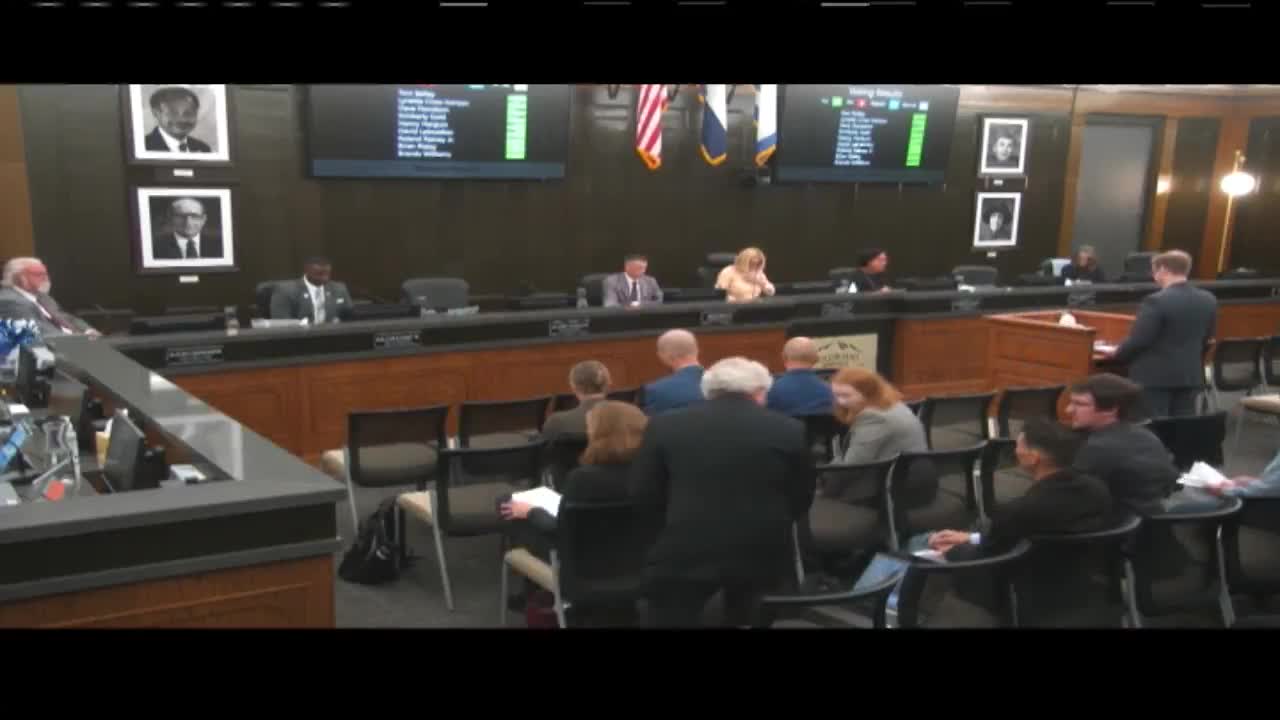
Council sets Oct. 14 hearing on Colorado Springs Utilities 2026 rate case after heated net-metering debate
Summary
The City Council voted 7-2 to set an Oct. 14 public hearing on Colorado Springs Utilities' 2026 rate case after weeks of public inquiries and a contentious discussion about proposed changes to net‑metering rates that utilities says leave existing credits $5.5 million short.
Colorado Springs City Council set a public hearing for Oct. 14 on Colorado Springs Utilities’ 2026 rate case after a contentious exchange over proposed changes to net‑metering credits.
The council vote was 7 to 2 after a failed motion to postpone the hearing and send the case back to the Utilities Board. The rate‑case filing includes changes to electric rates, a transmission tariff required for entry into the Southwest Power Pool, and proposed net‑metering adjustments.
Why it matters: Utilities officials told council the current net‑metering structure creates a cross‑subsidy that costs other customers roughly $5.5 million under the utility’s cost‑of‑service analysis. Council members and dozens of ratepayers pressed for more public outreach and time to review the proposal before the hearing, saying many rooftop solar customers were caught off guard.
Tristan Gearhart, chief financial officer for Colorado Springs Utilities, told council the utility’s study shows the existing net‑metering credits “come up $5,500,000 short” and that the filing includes other time‑sensitive items—most notably a transmission tariff sought to enable participation in the regional market managed by the Southwest Power Pool. “Those are critical for us to have in place to be able to enter the regional transmission organization,” he said, arguing the schedule supports the Oct. 14 hearing.
Opponents of setting the hearing immediately urged the council to delay and return the net‑metering portion to the Utilities Board for separate consideration. Councilmember Nancy Hingeam said the net‑metering proposal had been presented to the board with little lead time and called the rollout “rushed.” A number of residents who spoke during public comment described personally calculated losses and urged the council to allow more outreach and discussion.
Councilmember Dave Donaldson, who moved to set the Oct. 14 hearing and was seconded by Councilmember Brian Risley, said the hearing process itself is the appropriate venue for a full public airing and that council can vote on individual pieces of the case at that time. The city attorney’s office reminded members that once the hearing is set and the case is formally filed, council enters an ex parte period that limits councilmembers’ private communications about the case.
What utilities says: Gearhart and other utility staff said the filing addresses multiple issues beyond net metering, including large‑load tariffs needed to support prospective customers and a transmission tariff on a schedule tied to the utility’s plan to join the Southwest Power Pool in April of the following year. He urged council that delaying the hearing would materially affect that timeline.
Public engagement steps urged: Several councilmembers recommended that utilities proactively schedule multiple public meetings and district outreach sessions before Oct. 14 so customers could ask questions and staff could explain modeling assumptions and timelines.
Votes and next steps: A motion by Councilmember Nancy Hingeam to postpone the hearing and send the rate case back to the Utilities Board failed 3 to 6. The subsequent motion to set the Oct. 14 hearing passed 7 to 2. Utilities staff said customers may still contact the utility directly for information and that the formal public hearing will allow testimony and issue‑by‑issue votes.
The Oct. 14 hearing will include utilities’ presentation, public comment and individual votes on items in the filing. If council rejects the net‑metering proposal at that hearing, utilities could refile a revised proposal in a later rate case.
Ending note: The discussion made clear the council and utilities face competing priorities: preserving regional market timelines and large‑load recruitment versus additional time and outreach for thousands of rooftop solar customers who say they were surprised by changes to an established net‑metering credit.